
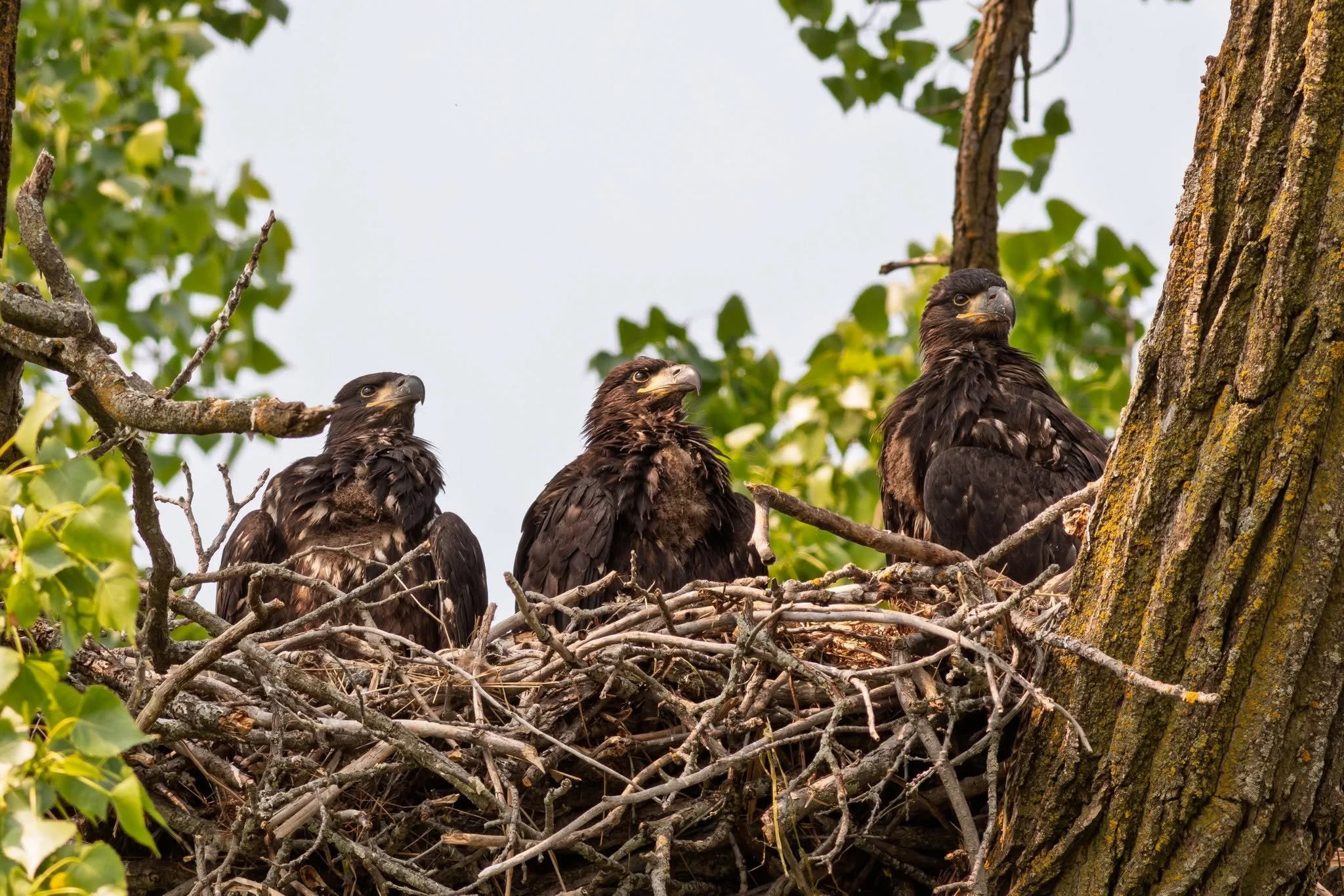
Once pushed to the brink of extinction by habitat loss, poaching, and DDT, the recovery of Bald Eagles is one of North America’s most recognizable conservation success stories.
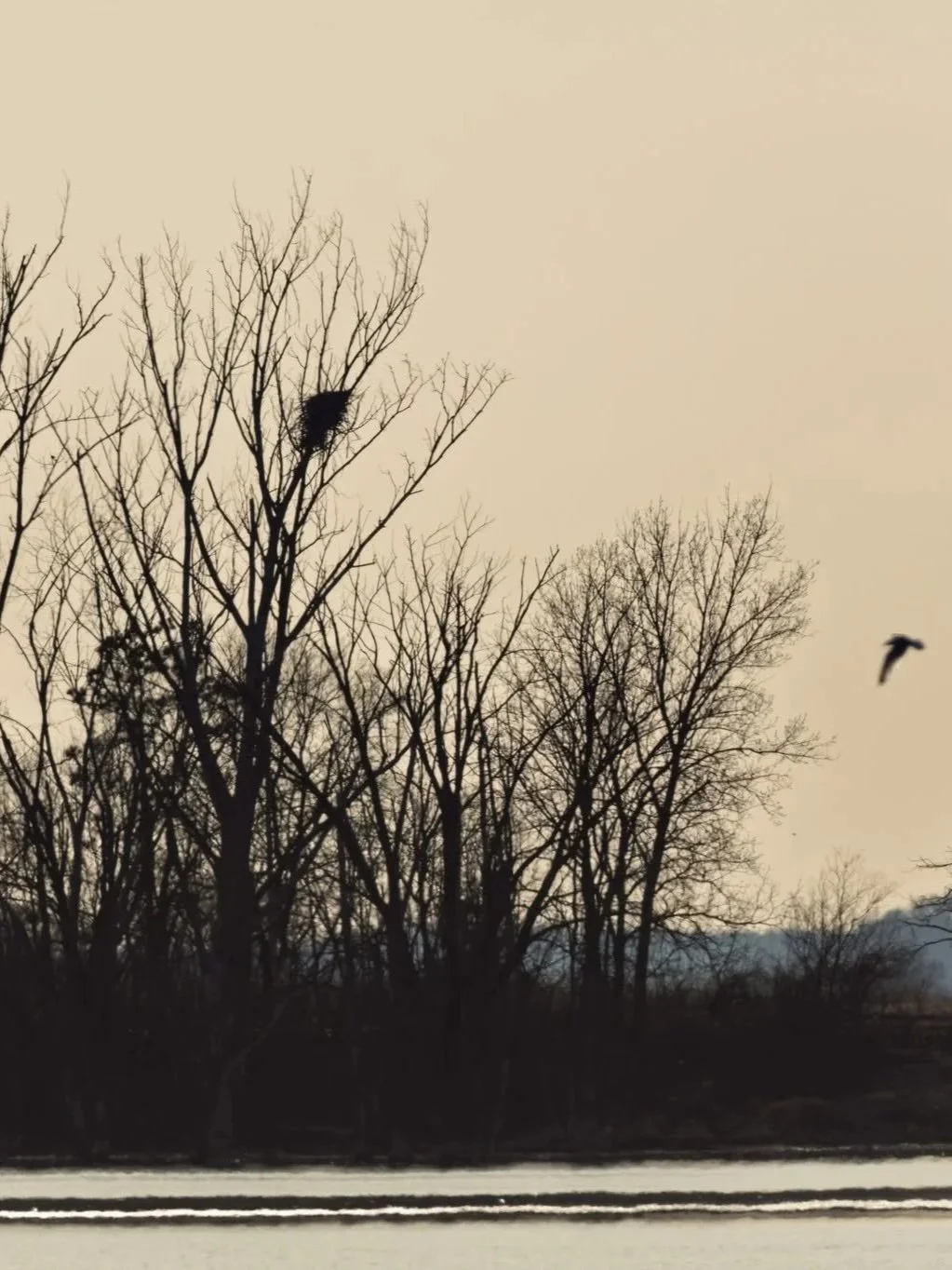
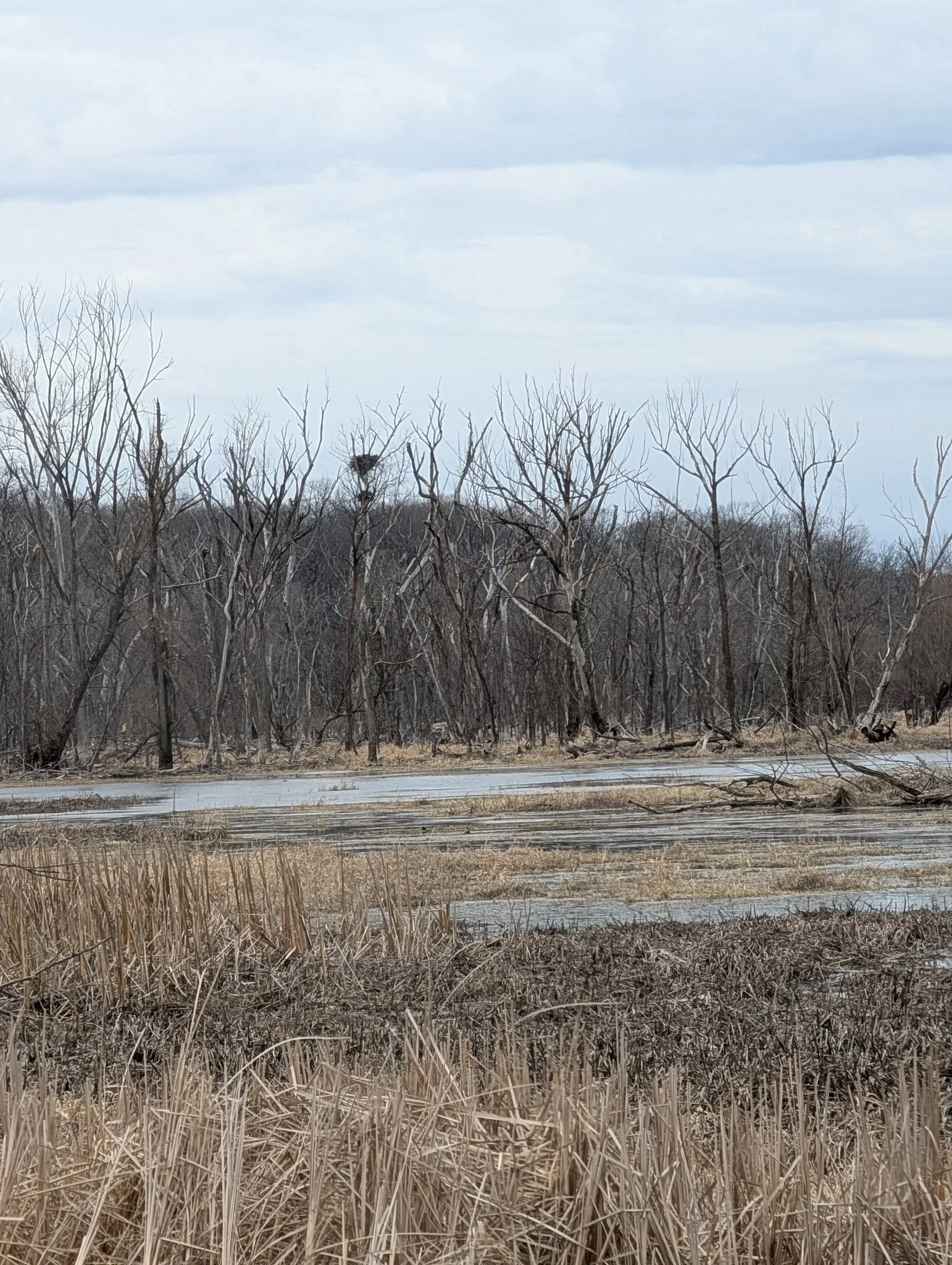
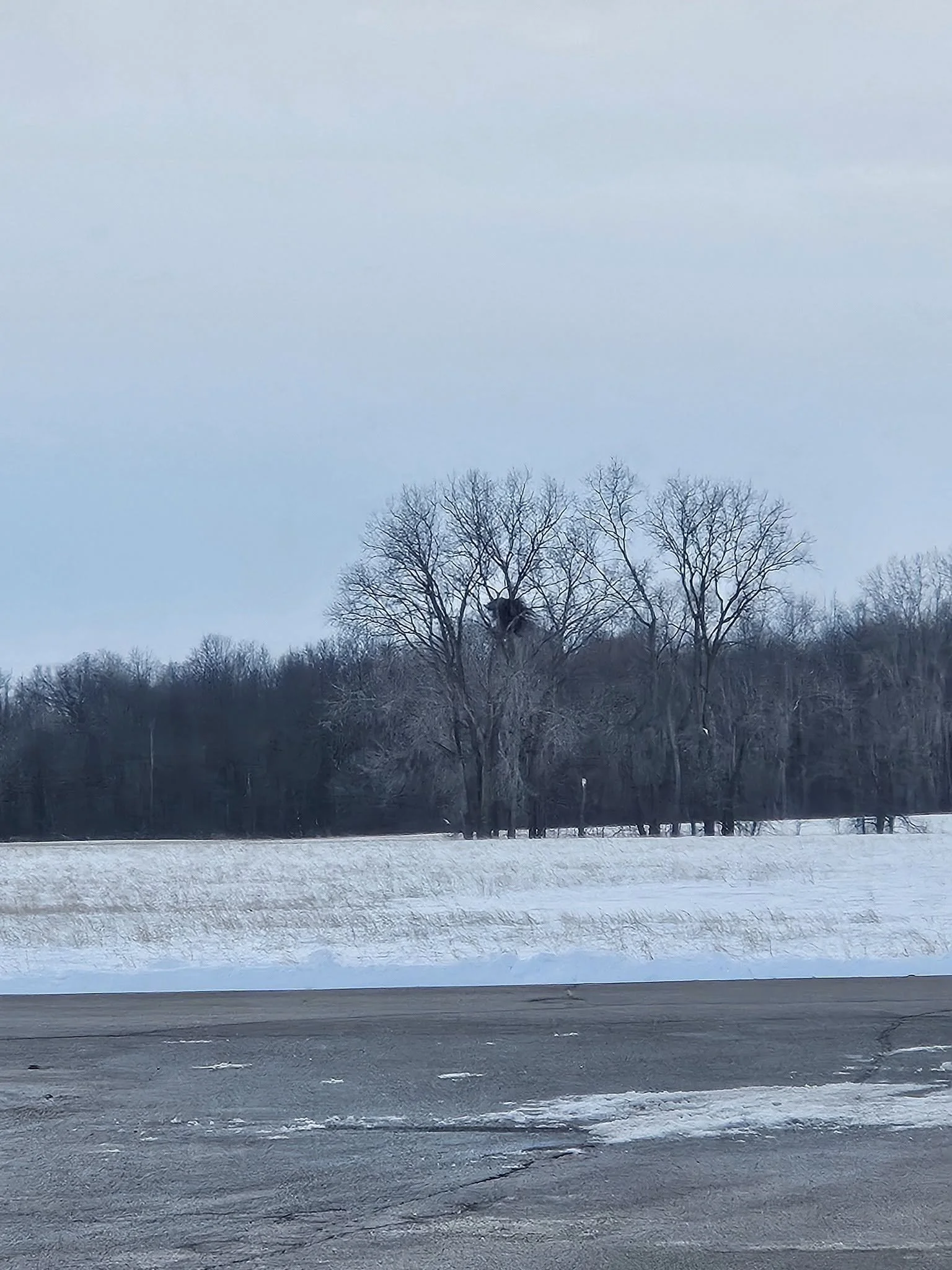
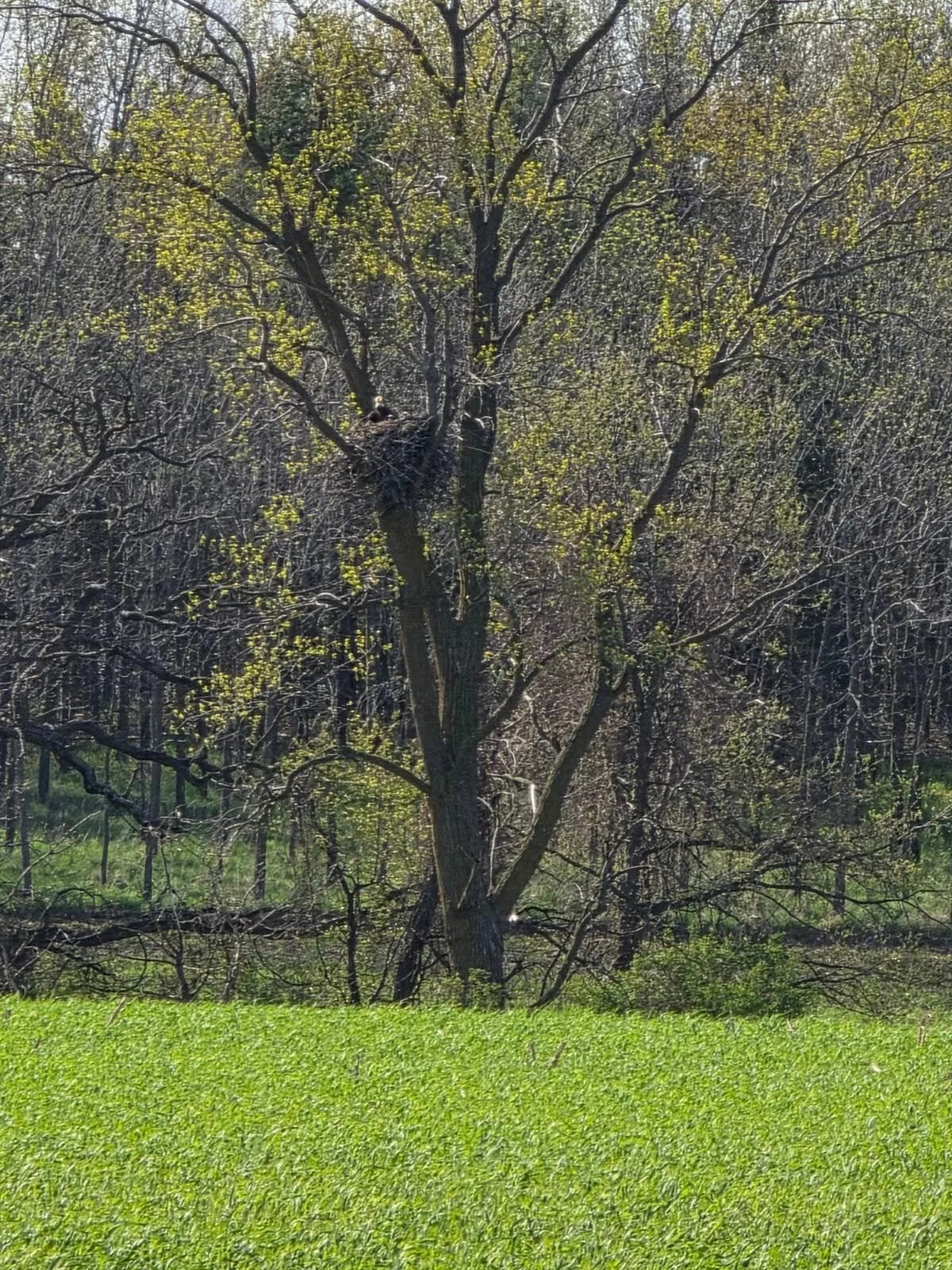
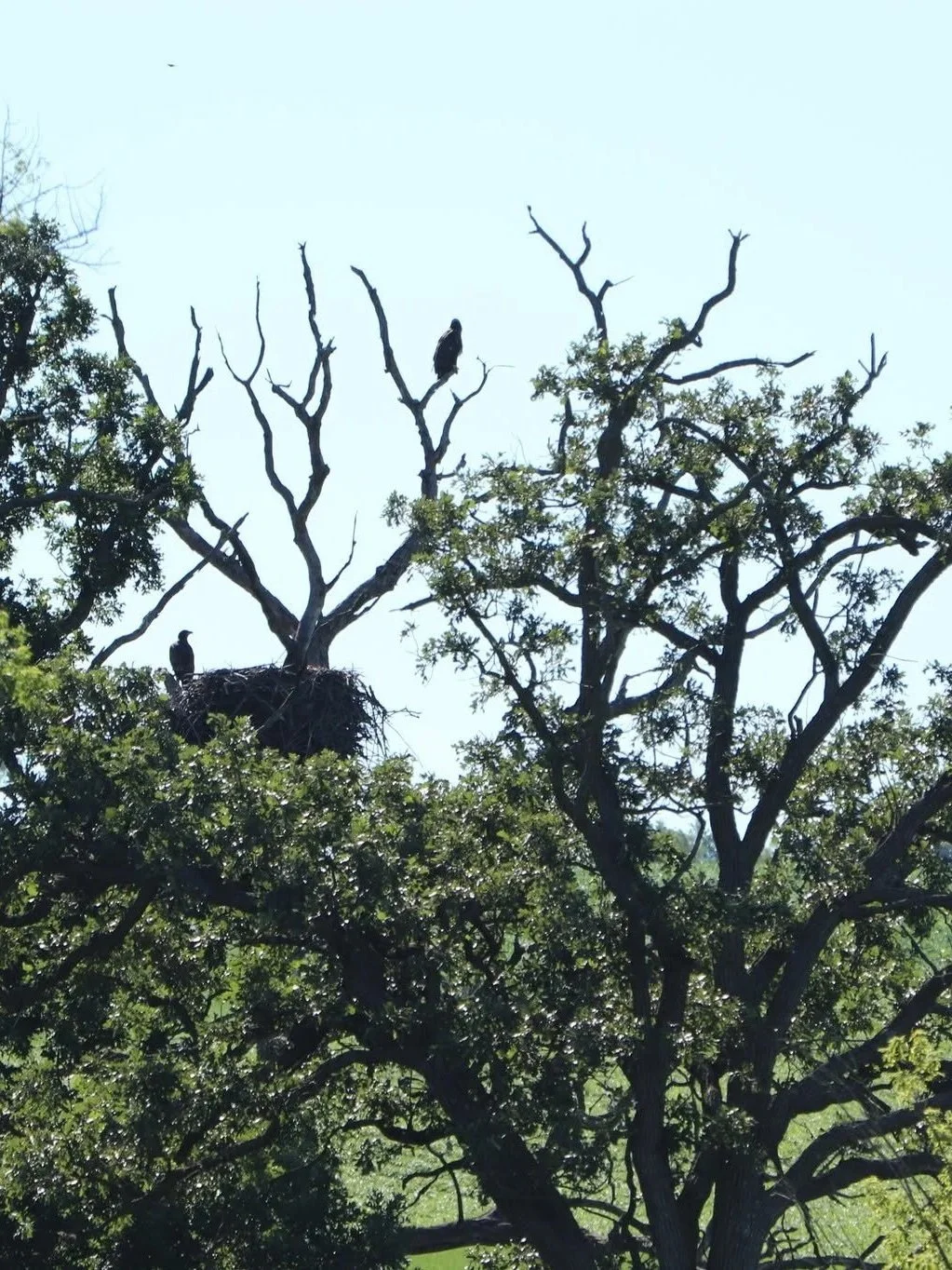
As Wisconsin’s Bald Eagle population has grown, many pairs are establishing nest territories in southern portions of the state, often in more developed areas. Because of this, understanding the characteristics that support successful nesting has become increasingly important.
Using eight years of data (2018–2025) collected through the Bald Eagle Nest Watch program, we explored how the landscape surrounding nests is related to nest productivity, or the number of chicks fledged per nest. We examined several characteristics, including the proximity of nests to water, land-cover composition, human population density, and road density within a two-mile radius of nests.
What did we find?
Two landscape features best explained productivity among monitored nests:
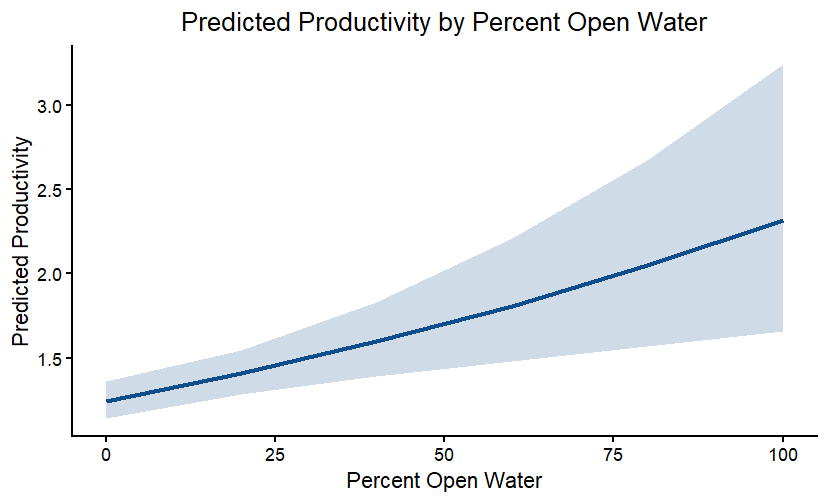
A greater percentage of open water (lakes, rivers, ponds, and other large water bodies) within a nest territory was associated with more fledged young.
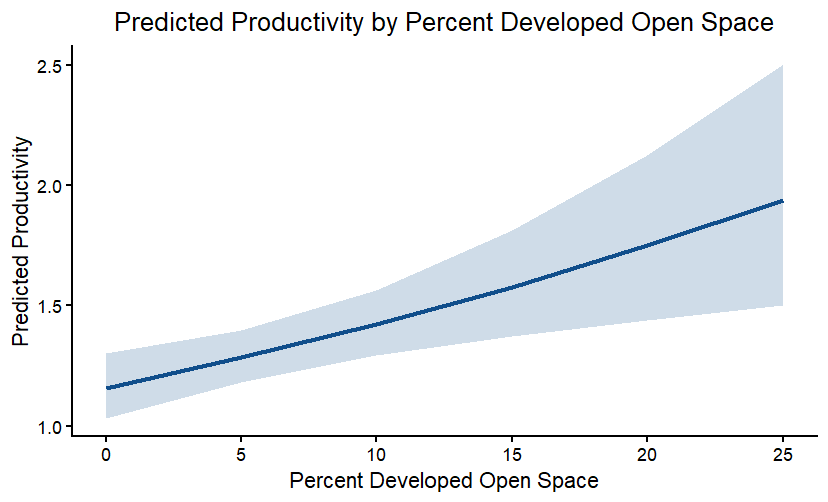
A greater percentage of developed open space was also associated with higher productivity. Developed open space includes parks, open fields, cemeteries, and other mostly vegetated developed areas with less than 20% impervious surface, such as pavement and concrete.
The relationship with open water was expected, as fish are an important part of Bald Eagle diets. The association with developed open space was more surprising. While we can’t say for certain why this relationship exists, these areas may provide additional foraging opportunities or represent landscapes with a beneficial mix of habitat features.
Why does this matter?
Our findings suggest that human-modified landscapes may still be able to support productive Bald Eagle nests when we maintain access to diverse habitats such as open water bodies and vegetated open spaces. This information can help guide future management and conservation efforts, ensuring that Wisconsin’s Bald Eagle population continues to thrive.
Written by Katherine Schuette, Bald Eagle Nest Watch program intern
Header photo: Ron Lutz II/Bald Eagle Nest Watch volunteer. Three eaglets in a nest.
