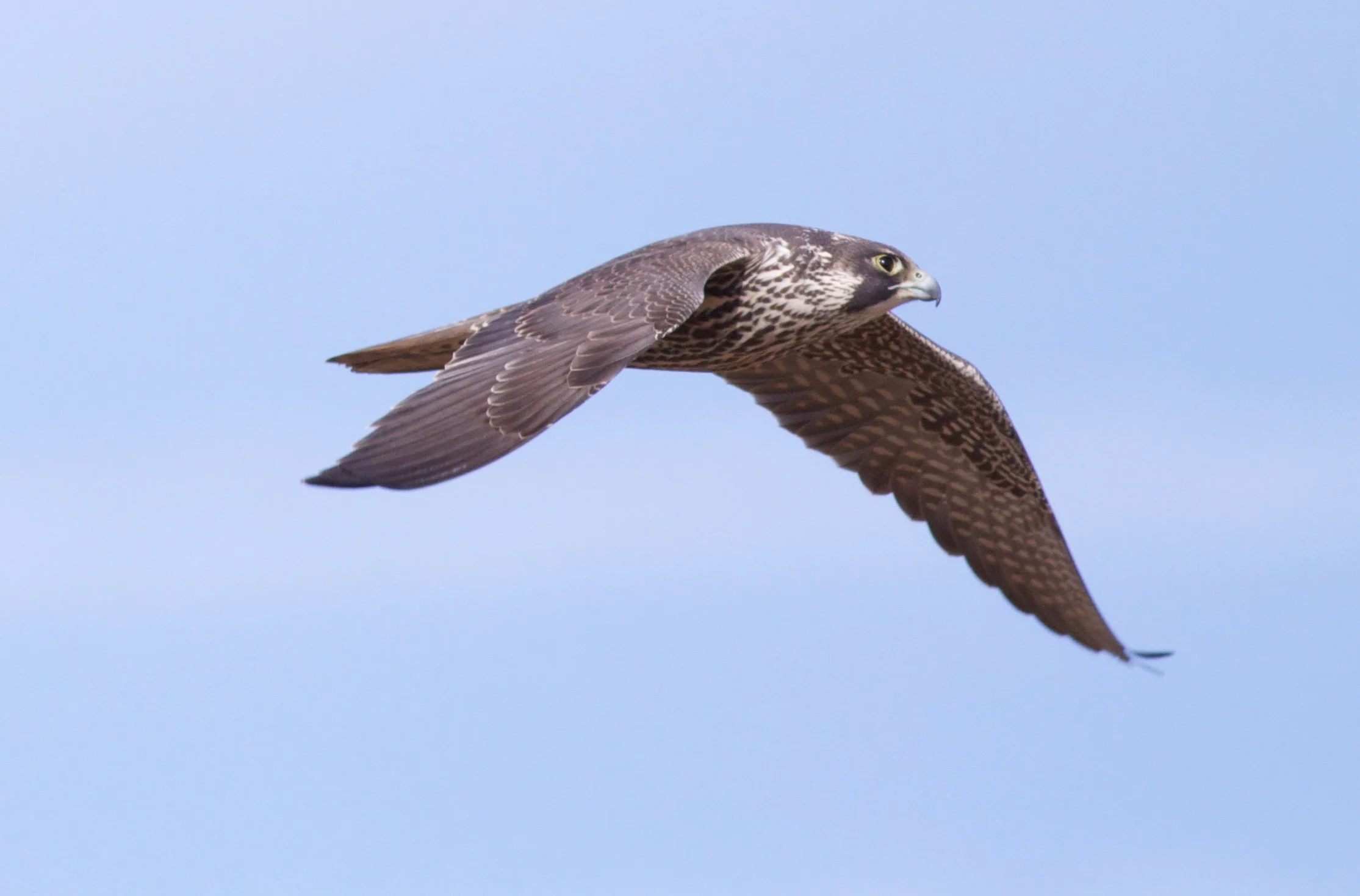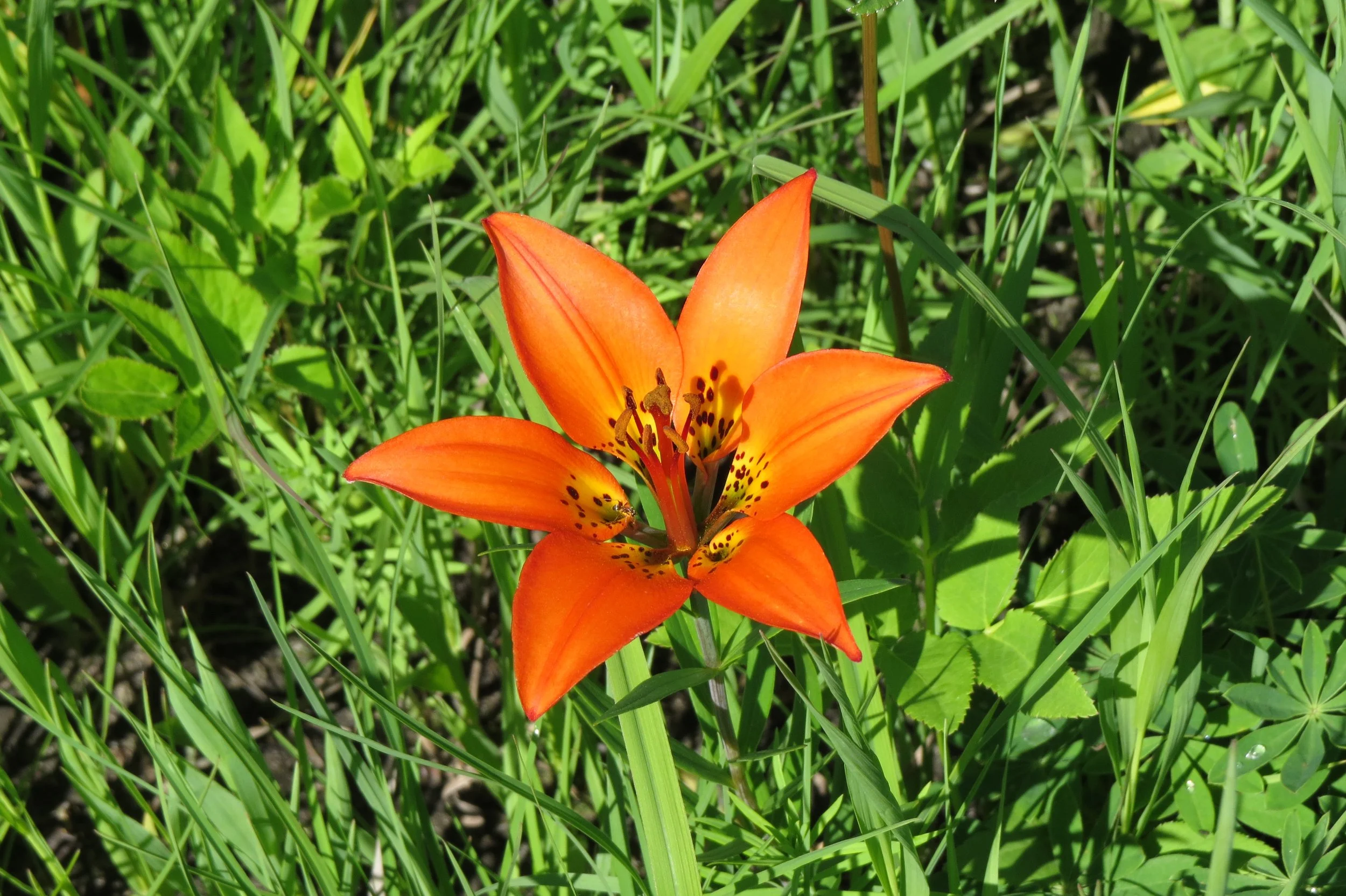
In our little piece of the world, within the 1,064 acres of the project, 122 participants have made 4,594 observations of 1,372 species.
Photo by Jim Otto

Friday Feathered Feature
Showcasing a different bird species each week
We have been interested in raptor migration for decades. A few years ago, a fellow member of the Hawk Migration Association (HMA) told us about the ongoing Winter Raptor Survey project, and he encouraged us to take part. We decided to take him up on it.
Photo by Arlene Koziol
What draws most people’s attention to Chimney Swifts in the fall is their incredible roosting behavior. Chimney Swifts spend 90% of their lives flying—only pausing their lives on-the-wing to roost and to nest. They eat, sleep, and mate while flying. In migration, flocks of Chimney Swifts roost in—you guessed it—chimneys, clinging with their feet to the walls while they sleep.
Photo by Andy Reago & Chrissy McClarren FCC
In spring and summer, over a hundred volunteers give their time, energy, gas money, and hearts to American Kestrels. Why? Because this species is beautiful, fierce, and in decline; and the focal point of our citizen science program the Kestrel Nest Box Monitoring & Banding Program (KNB for short). Each year, hundreds of kestrel chicks fledge from the boxes these volunteers steward, and those chicks and some of the adults are banded for research. And each year, we try to get creative about how we can continue to make it easier for kestrels to successfully raise their young in southern Wisconsin.
Photo by Kaitlin Svabek/SoWBA