Friday Feathered Feature

White-crowned Sparrow

The Dictionary of American Regional English closed its doors this year, more than five decades and six volumes after the zealous undertaking began. Documenting words, phrases, and pronunciations that vary across the United States, the Dictionary retains those roots and customs with a unique heritage. Researchers with DARE have documented complex linguistic evolution and severing through time.

Studying thousands of cities in the US, the team discovered and mapped incredibly localized phenomena. However, they didn't study sparrows. They studied sparrowgrass—or asparagus—in some areas, but they failed to study sparrow language.

White-crowned sparrow, photo by Eric Begin

White-crowned sparrow, photo by Eric Begin

As it turns out, white-crowned sparrows have their own dialects, their own dictionary of regional sparrow, if you will. In the 1960's, researchers in the San Francisco Bay Area discovered differences in the songs of white-crowned sparrows. Based on neighborhood, the sparrows had markedly different songs, and held a fidelity to those areas with their dialect. Young white-crowned sparrows do not learn directly from parents but rather from the general acoustic environment where they are raised, the researchers later proved. Thus, because the sparrows learn from their surroundings and because they have a restricted geographic range within the city, dialects form.

The content of the white-crowned sparrow's song carries with it other messages beyond the varying spectograms (pictures of sound) of the San Francisco Bay Area. In Colorado, researchers found that white crowned males that are infected with blood parasites will have different songs with fewer trill notes than uninfected males. These parasites can reduce brood success by 15-20%, and thus females can determine which mates will be successful based on the fitness of their song.

Back in San Francisco, researchers have followed up studies from the 1960's with current data on song dialects in white-crowned sparrows, with surprising results. One of the dialects has vanished. Even more surprising was the likely reason: traffic. The San Francisco dialect, with its highest minimum frequency, was able to out-compete other dialects. Those birds with the San Fran dialect were singing their high pitched song over the bustle of a growing city with ever-increasing traffic loads, and successfully attracting a mate because of it.

White-crowned sparrow, photo by USFWS Midwest

White-crowned sparrow, photo by USFWS Midwest

Yet, this adaptation may come at a cost. Females seem to prefer the low pitch song, but that's a dialect fast becoming threatened and already hard to hear. This research into sparrow language has proven a complexity of adaptation and choice for females. The extinction and malleability of song also suggests a possible rapid evolutionary pathway—beyond song, those California city birds average smaller territories and blacker wings. The territories are thought to be collapsing because males cannot hear their aggressive competition over the noise of the city. It's also possible that the darker wings help concentrate metals and toxins outside of the body.

White-crowned sparrow, photo by Kelly Colgan Azar

White-crowned sparrow, photo by Kelly Colgan Azar

These white-crowned sparrows are some of the most studied birds in terms of song and the evolution of song. What breakthroughs could be achieved studying the other 913 birds species of North America? How many volumes would the dictionary of regional bird have?

Here at Faville Grove, it's hard to miss the white-crowned sparrows. Down Prairie Lane or North Shore Road, you'll see flocks of the birds flitting through the prairies as they're on their way south for the winter. Some will overwinter. The white-crowned sparrows don't breed in Wisconsin, instead preferring the high arctic in summer, but their white crowns en masse bookend the winter each year.

Written by Drew Harry, Faville Grove Sanctuary land steward

Banner photo by Kelly Colgan Azar
Water Birds and Wingspan

Fall is always an exciting season for bird-watching at Goose Pond. Waterfowl are the most abundant birds on the pond -- both in number of species and overall number of birds, though  you may also sight birds of prey and other water birds.

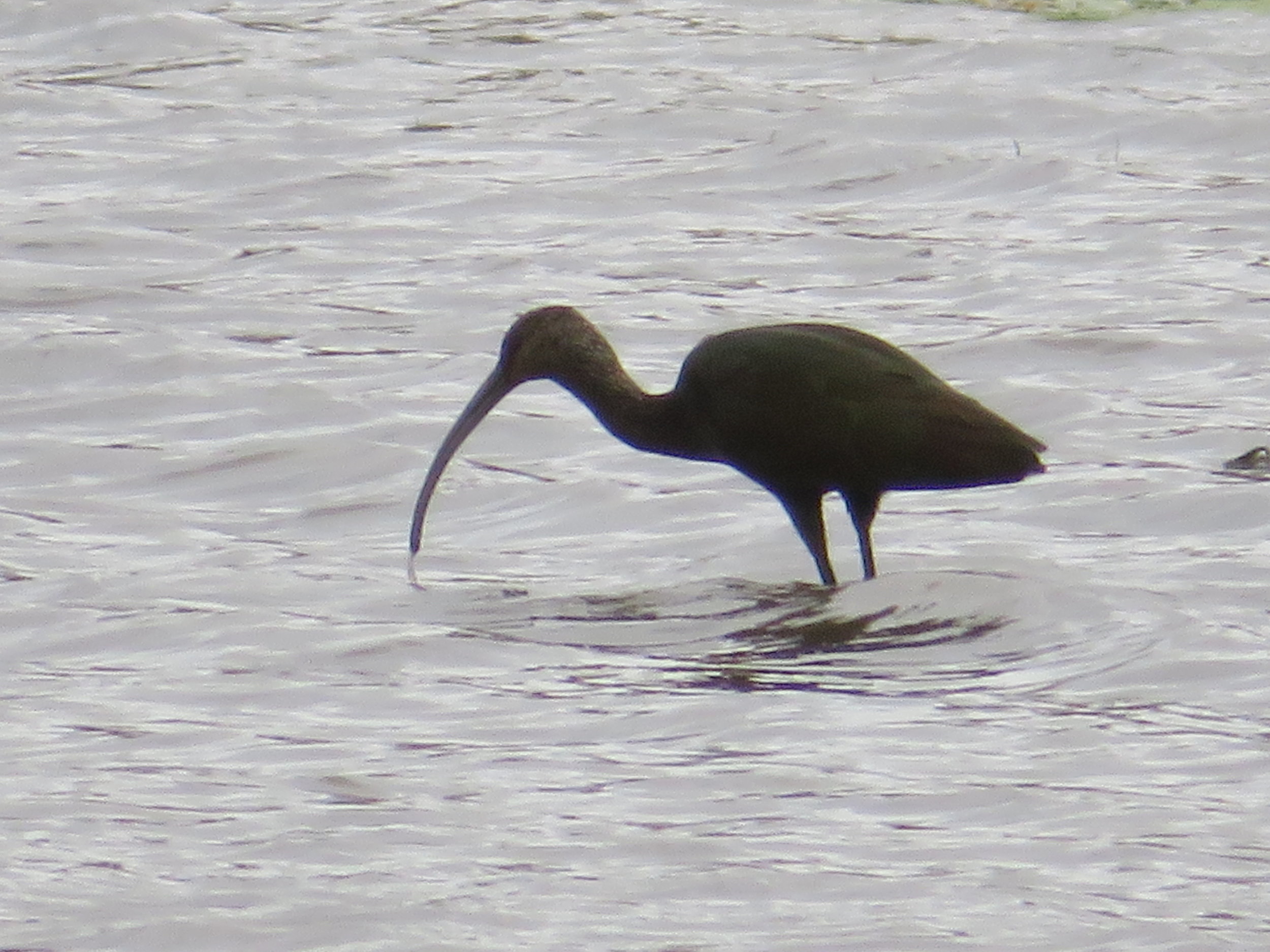
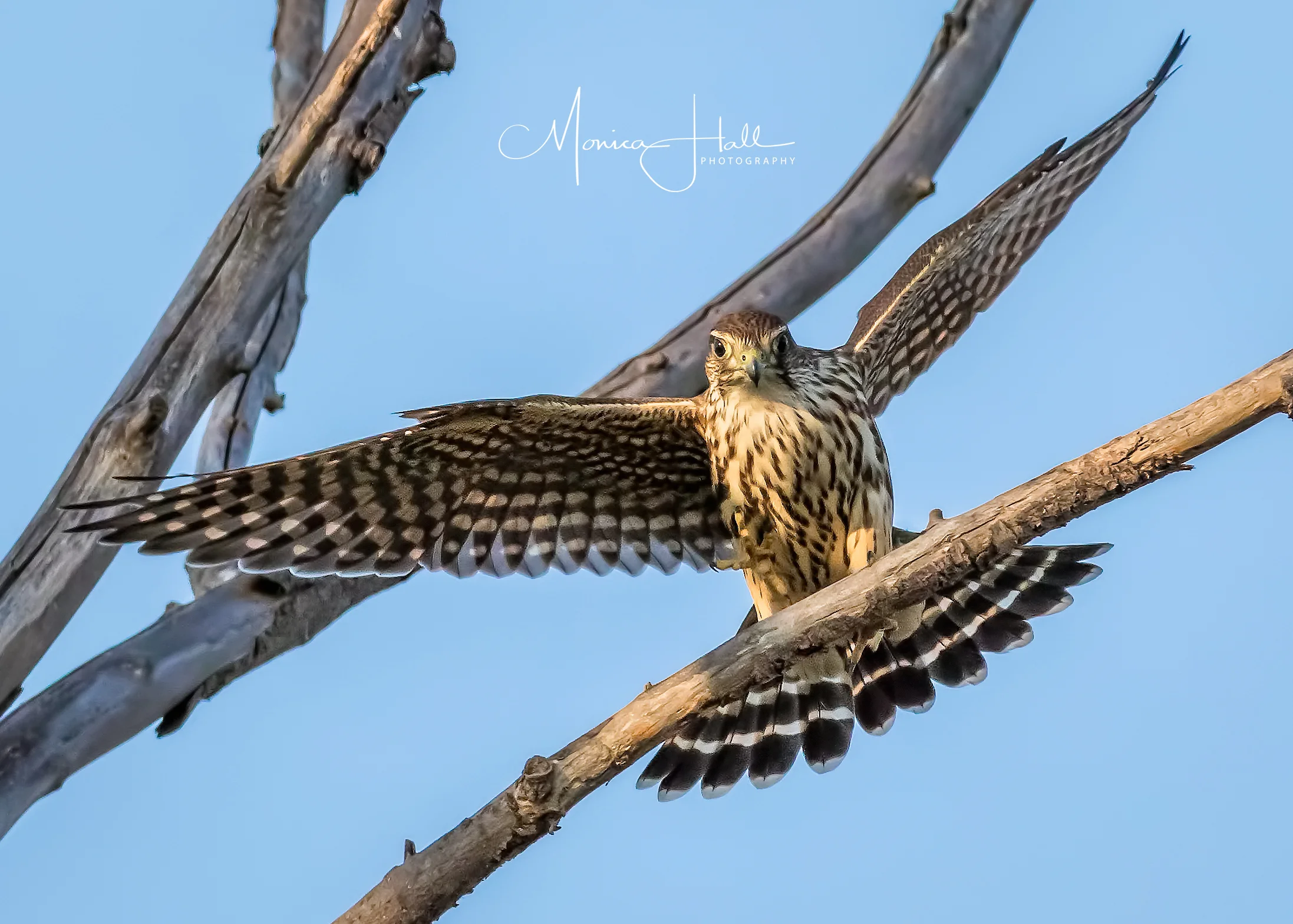
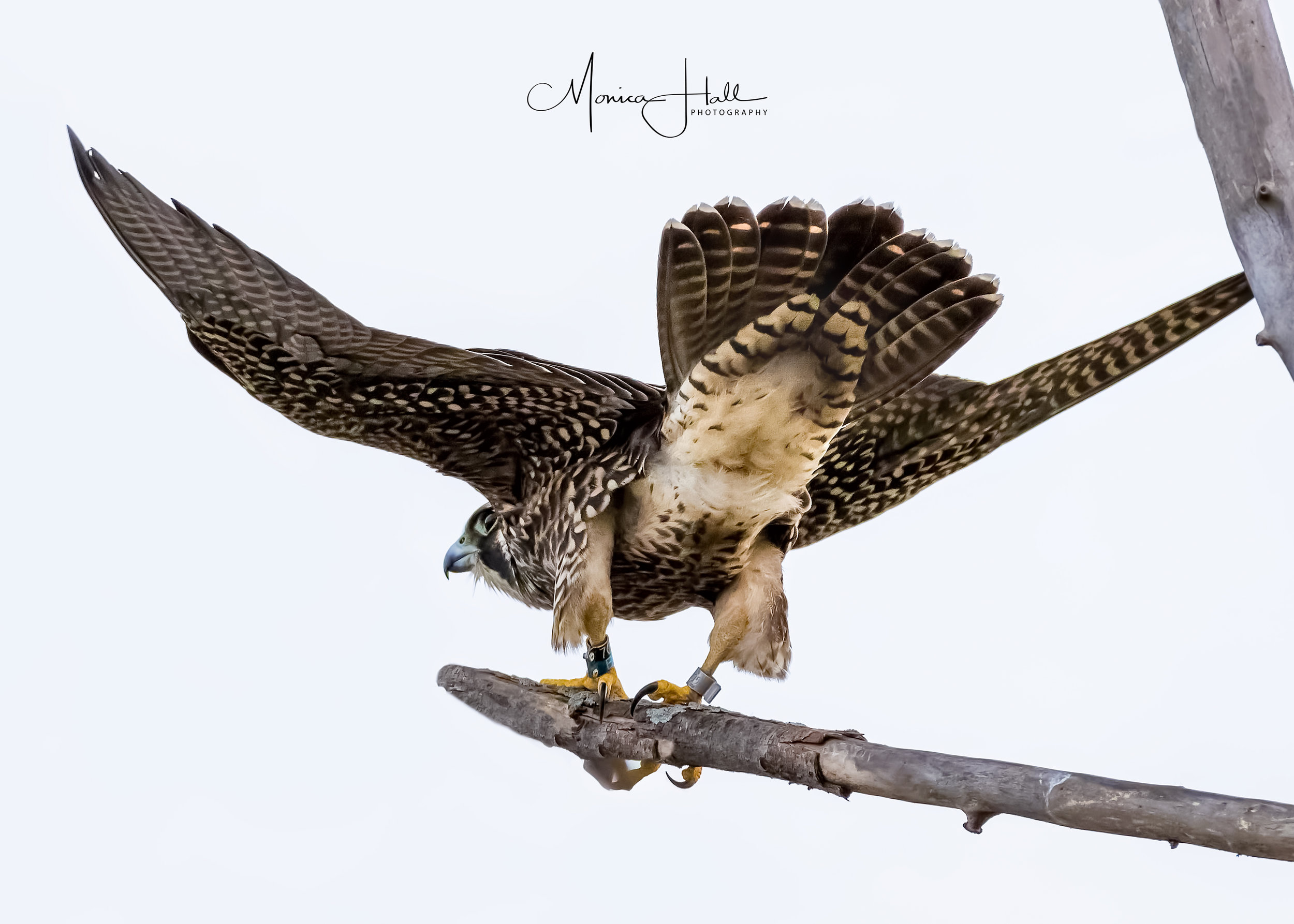
In the past month, avian visitors to Goose Pond have included a pair of bald eagles, a banded peregrine falcon, and a white-faced ibis. In mid-September we were pleased to spot a merlin in our yard and it was later seen on the causeway.

Click on the photo below to see more!

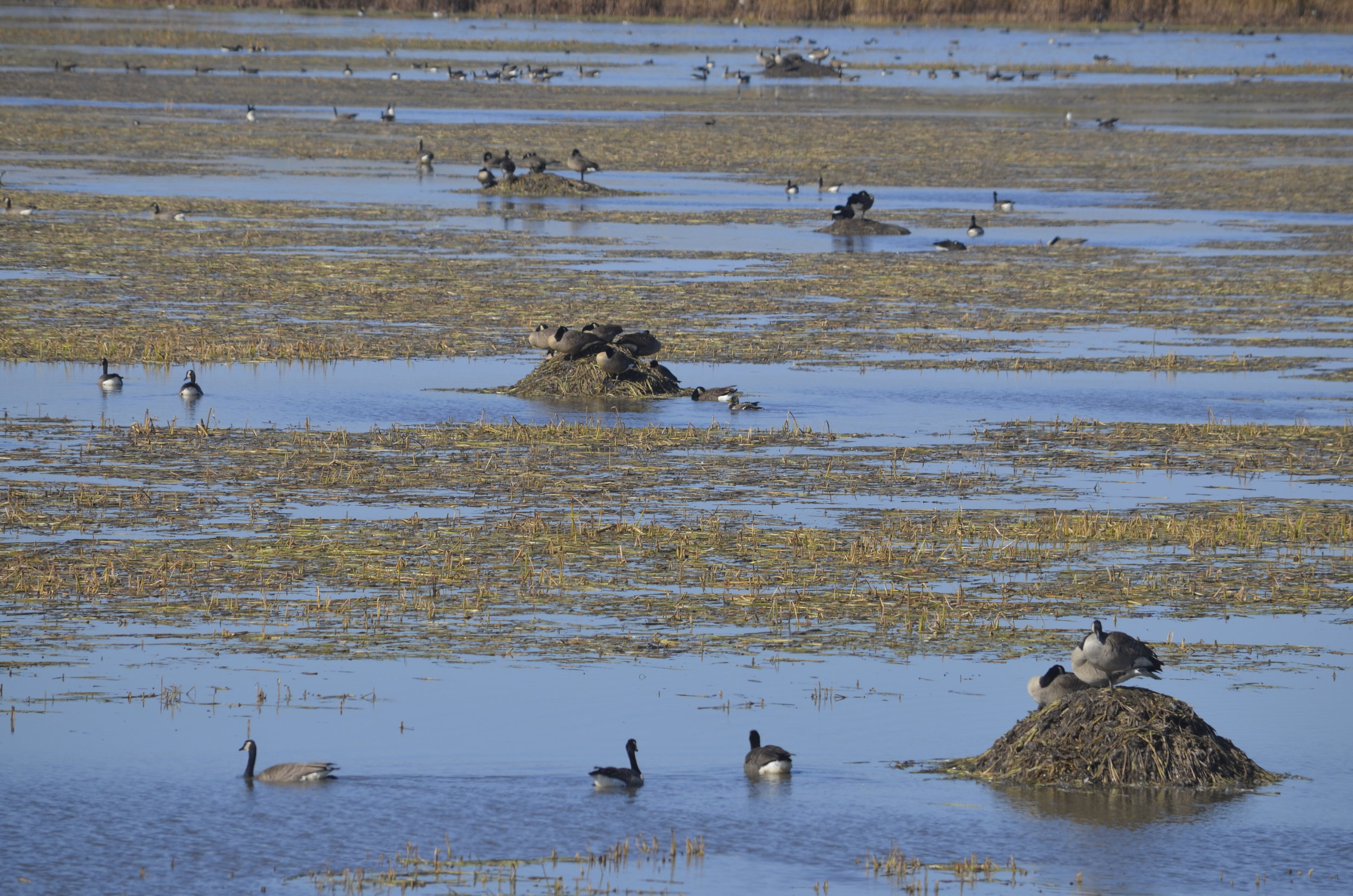
Northwest winds and cold weather are helping increase the waterfowl diversity. A count on October 27 found 4 snow geese, 2,000 Canada geese, 5 tundra swans, 2 gadwalls, 2 American black ducks, 1,500 plus mallards, 100 northern shovelers, 190 northern pintails, 130 green-winged teal, 20 canvasbacks, 35 ring-necked ducks, 2 lesser scaup, and 41 ruddy ducks.  Also present were 6 American coots and 8 sandhill cranes.

Goose Pond royalty of the muskrat mounds, photo by Mark Martin

Goose Pond royalty of the muskrat mounds, photo by Mark Martin

The arrowhead vegetation covering the pond this summer has died back and the tubers will provide ideal feeding for tundra swans. The best time to view the tundra swans that can number in the hundreds is from late October until freeze up.

The newly completed Wingspan pavilion overlooking Goose Pond. MAS Photo

The newly completed Wingspan pavilion overlooking Goose Pond. MAS Photo

We are very pleased to have the Wingspan viewing pavilion project completed which will provide visitors with a birds-eye view of Goose Pond. Thanks to John and Marlen Kaiser for providing matching funds, donors, and to architect Jim Gempler for the beautiful design, metal artist Don Schmidt for creating the pavilion, and Louie Meister of LMS Construction that provided the oak benches and did the earth work including the disabled access trail, parking area, and turn-around.

Scopes will be set up for an open house at Wingspan on Sunday, October 29 from 1:00 to 3:30 p.m. We hope you visit Goose Pond to check out the birds and the new viewing pavilion.

Written by Mark Martin and Susan Foote-Martin, Goose Pond Sanctuary resident managers

Yellow-bellied Sapsucker

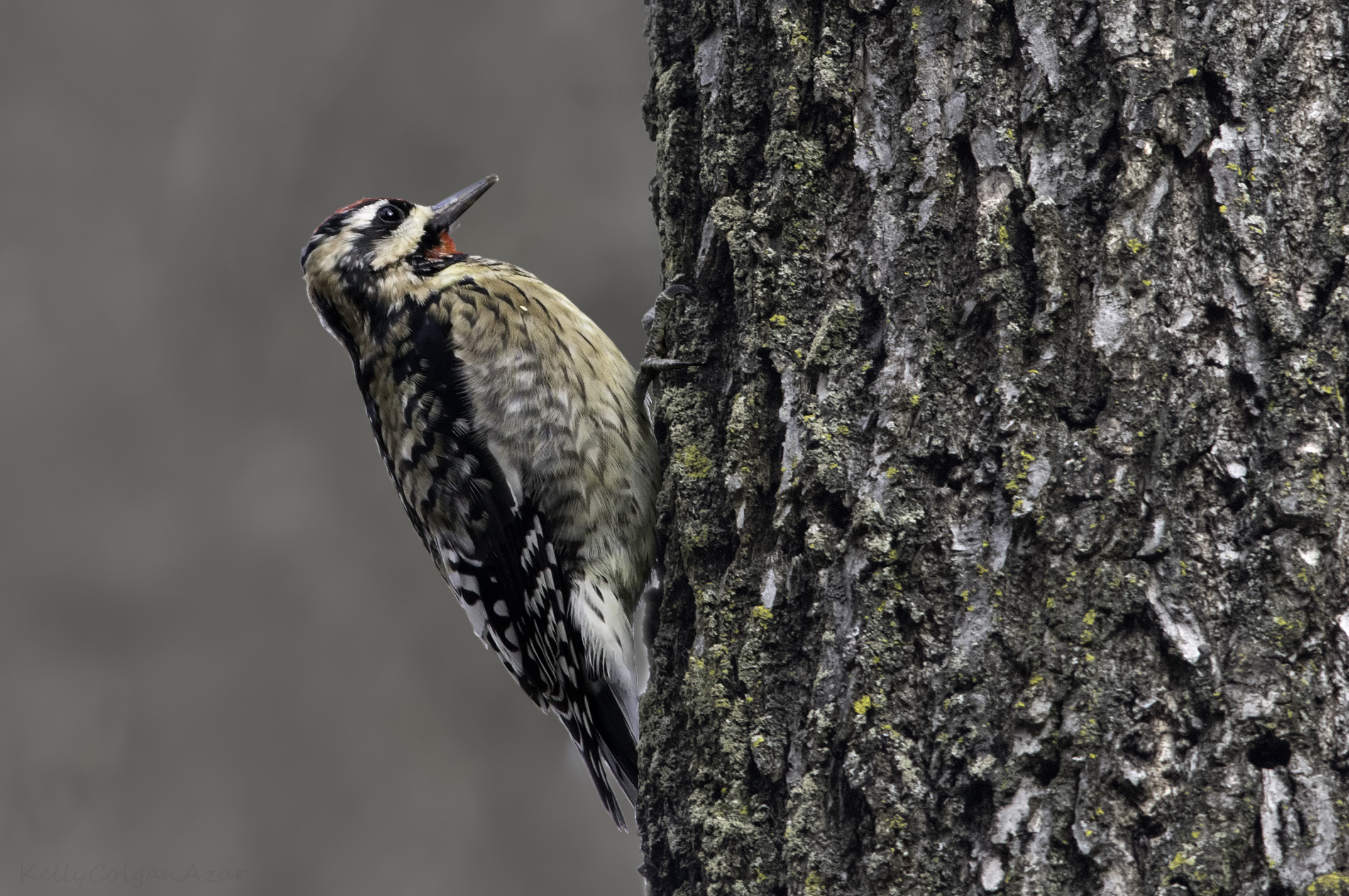
Yellow-bellied sapsucker, photo by Kelly Colgan Azar

Yellow-bellied sapsucker, photo by Kelly Colgan Azar

Yellow-bellied Sapsuckers have been making there way through Wisconsin for the past few weeks, headed south as far as Costa Rica, though a small number of hardy birds will overwinter in Wisconsin each year. These sapsuckers breed in northern Wisconsin and along the major river valleys of western Wisconsin—they prefer forest stands of aspen, birch, or maple near water. Unique among woodpeckers, yellow-bellied sapsuckers don't need dead trees for feeding and are also the only North American woodpecker with a true migration. Peak migration through southern Wisconsin was early October, but you can still find birds moving through.

Sapsuckers have an interesting diet of, as you might expect, sap from trees. But the birds also will take advantage of the cascading effects of opening up this sap. The high sap sugar content of hardwoods like maple helps to attract insects like ants, spiders, and wasps, which the sapsuckers will take full advantage of. Another favorite spot for yellow-bellied sapsuckers is in orchards, where they will not only enjoy the sap from apple and pear trees, but also enjoy the apples and pears.

Besides attracting insects to their swells, the birds support other wildlife like hummingbirds, bats, and porcupines. In Canada, ruby-throated hummingbirds time their migration with sapsuckers to take advantage of the sap swells produced by the sapsuckers.

The sapsucker has experienced range expansion over the past few decades with more regenerating forests of aspen, but climate change could pose problems for yellow-bellied sapsuckers. Audubon's Climate Report suggests an 88% reduction in the breeding range of these sapsuckers. Yellow-bellied sapsuckers are associated with the ecosystem of northern coniferous forests even though their habitat within that range is most often associated with hardwoods. It's reasonable to assume the climate of the coniferous forests provides a physiological constraint. Moreover, if the warming climate outpaces the northward expansion of maple, aspen, and birch, sapsuckers may have to adapt to a different favored food source.

The bird faces additional problems as the phenology of North America becomes more disrupted. A recent study found a growing difference between the green-up of eastern forests and the arrival of some species. The Yellow-bellied Sapsucker was not included in the study, but could be sensitive to these disruptions as it relies on the narrow window in early spring as it migrates north with increases in sap flow.

The best defense against some of these challenges is to increase suitable habitat and to maintain a high diversity of tree species within a forested patch. At Faville Grove, we dislike aspen as it readily invades prairies, but we've left aspen in some areas as wildlife habitat for species like the yellow-bellied sapsucker. Last week I found sapsuckers swells on one of the aspens we left. Although yellow-bellied Sapsuckers don't feed on dead trees like other woodpeckers, they do nest in cavities, so maintaining “woodpecker trees” is also critical for sapsuckers. At Faville Grove you can find plenty of woodpecker trees, and maybe even a sapsucker swell.

Written by Drew Harry, Faville Grove Sanctuary land steward

Bald Eagle

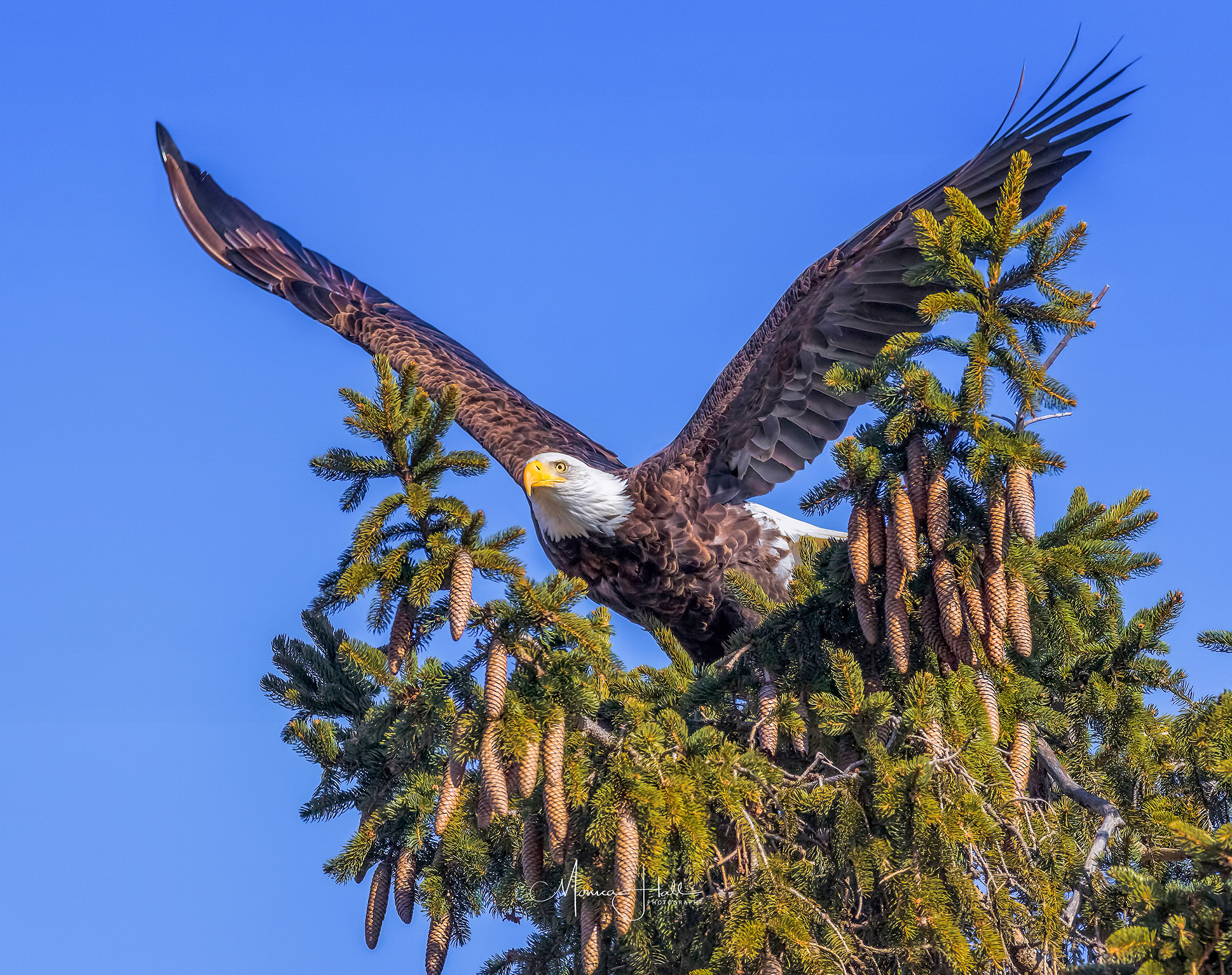
The popular Manthe spruce tree. Photo by Monica Hall

The popular Manthe spruce tree. Photo by Monica Hall

On a recent October morning, the sky above the west pond was full of hundreds of Canada geese and mallards. What would cause the birds to flush like that? Mark had a hunch, and sure enough, shortly after that a bald eagle was spotted flying over the pond hoping to capture a meal.

Shortly after that, we drove along Goose Pond Road and saw all the birds back in the water or loafing on top of the muskrat houses, along with an adult bald eagle that was also perched on a muskrat house. The eagle took off when we backed up the truck to position ourselves for a photo opp, and came to rest high atop a spruce tree in the Manthe farm yard located just north of Goose Pond.

A visit from a top predator can clear the waters of Goose Pond quickly. Photo by Richard Armstrong

A visit from a top predator can clear the waters of Goose Pond quickly. Photo by Richard Armstrong

Rewind to the fall of 2013 when a pair of eagles frequently flushed and hunted 3,000 migrating American coots at Goose Pond. They probably caught a few muskrats to eat as well. Shortly after the pond iced over, the eagles broke off dead sapling cottonwoods and took them to the red-tailed hawk nest they took over, located in a spruce tree at the Manthe yard... yes, the same one we saw the eagle land on that morning four years later.

The adults worked on the nest for about three weeks that year. Then in 2014 they abandoned that nest and have nested every year about three miles north of Goose Pond. The adults still visit and hunt at Goose Pond, and even visit the spruce trees in our yard. It is great to be able to see our national symbol in southern Wisconsin, especially during the nesting season.

The family home. Photo by Arlene Koziol

The family home. Photo by Arlene Koziol

Nesting bald eagles in southern Wisconsin have not always been so common. Sam Robbins wrote in the 1991 Wisconsin Birdlife that eagles were uncommon resident in north and central Wisconsin, and no mention was made of nesting eagles in southern Wisconsin. Kumlien and Hollister observed a decline in the eagles nesting in southern Wisconsin around the end of the nineteen century as settlement increased. 

Robbins wrote that the low point for the eagle population was in the 1960’s with the cause being the widespread use of DDT. From the 1960s to 1990 populations slowly rose. In 1989 the bald eagle was moved from state-endangered to state-threatened. Currently the bald eagle is listed as a species of special concern, the least concerning status of the three.

In the first breeding bird atlas (1995 – 2000), there was one nesting pair on the Pine Island State Wildlife Area in Columbia County near Portage.

A perched baldie looking quite stately. Photo by Monica Hall

A perched baldie looking quite stately. Photo by Monica Hall

Now after the third year of the Breeding Bird Atlas II, we have records of 15 nesting pairs in Columbia County. The most unusual location is in a three-acre woodland adjacent to a farmette surrounded by cropland, about 10 miles east of Goose Pond Sanctuary and one mile from the Crawfish River. However, at that location the Crawfish River is very narrow and its banks are lined with brush – not ideal fishing habitat. It is quite possible that those eagles are making a living feeding on road kill, especially deer, raccoons, and opossums.

Thanks to the photographers that provided the beautiful photos, and hopefully you will observe these photogenic birds this fall at Goose Pond. The Sanctuary is free and open to all during daylight hours.

By Mark Martin and Susan Foote-Martin, Goose Pond Sanctuary resident managers

Blue Jay

The phrase “naked as a jaybird” refers to something especially bared, and morphed from the original phrase “naked as a robin.” Blue jays are born without many feathers, naked, one might say. As the phrase morphed, so too did the preceding adjective, growing to include crazy, mean, and saucy as a jaybird. The slight is obvious in calling someone “crazy as a jaybird,” but the slight to the blue jay might be overlooked. With a reputation that precedes them, blue jays are often scorned by birders who call them thugs and overly aggressive at feeders.

Photo by Eric Begin

Photo by Eric Begin

Indeed, blue jays have been found to ransack the nests of other songbirds. At feeders, jays have been known to mimic the call of red-shouldered hawks, perhaps to scare other songbirds into thinking a raptor is near. They'll steal feed from squirrels, nuthatches, and woodpeckers, but it is a rather uncommon occurrence.

Blue jays are opportunistic. A majority of their diet consists of acorns, nuts, seeds, grains, and fruits. Insects become an important part of their diet during the breeding season. However, the birds do eat a broad diet including frogs, toads, bird eggs, nestlings, and rarely roadkill or deceased animals.

These birds belong to the corvid family, and accordingly are incredibly smart. Researchers trapping and marking blue jays have difficulty catching the same bird twice. Captive jays have used instruments to pull food from outside a cage to within it. Some blue jays have remarkably learned to pluck ants from a hill, wiping the formic acid of the ants onto their breasts and making the ants digestible. Additionally, blue jays will cache anywhere from 3,000-5,000 acorns each year—relocating a good majority of those acorns.

Photo by Joshua Mayer

Photo by Joshua Mayer

Hugely important to the ecosystems of oak savannas and oak woodlands, blue jays have been considered a keystone species for the role they play in dispersing the acorns of oak trees.  If each bird “forgets” 5% of its crop, then an oak savanna will nevertheless have thousands of germinating oaks each year. Another mark of genius for blue jays is that they've been shown to discern fertile acorns with 88% accuracy. Other acorns may be infested with fungus, rust, or the acorn weevil, which lays eggs inside the growing acorn that will feed its larvae, which will eventually use long snouts to burrow a hole out of the acorn.

Photo by Robert Nunnally

Photo by Robert Nunnally

While oak trees arguably have their own role as a keystone species—allowing sunshine into the understory, fueling fire with combustible leaves, and providing food (acorns) for 150 species of birds and mammals—blue jays are bolted to that same role. Jays allow oak dispersal to an astounding level, as the birds will carry acorns over 2.5 miles away from the source tree.  In fact, after the last ice age, oak species dispersed into glacier-torn areas faster than wind dispersed seeds. It is thought that this is due to the dispersing behavior of blue jays.

“What about squirrels?” you might be asking. Squirrels also play an important role, but their dispersal is not as impressive as a blue jay's. The cached acorns of squirrels are most likely to be found within feet of the source tree. However, squirrels play a dynamic role in shaping the composition of the forest or savanna trees. Squirrels prefer to cache red and black oak nuts, while they prefer to eat white and bur oak nuts. This is because the red and black oak nuts are loaded with tannins, and store better for long periods. White oak acorns germinate in the fall and therefore don't keep as well as the red oak acorns. With fewer tannins, squirrels consume white oak treats immediately, and don't cache as many acorns from those white oak species. Even when white oaks are cached, the embryo is often excised.

Photo by Don Miller

Photo by Don Miller

Thus, blue jays may help to spread white and bur oak trees since they pick out fertile acorns and often find suitable sites for these acorns while burying them with a small amount of substrate. One study found that blue jays cached 55% of the acorns in a given area, while eating another 20% while they were gathering. Another interesting adaption from the blue jay is its ability to move multiple acorns per trip. The bird accomplishes this by storing some acorns in its “gular pouch” which can hold 2-3 acorns, storing one or two in its mouth, and storing one on the tip of its beak.

Blue jays live monogamous lives and run complex social circles throughout the year. It is thought that some birds recognize each other based on the markings of the face. Jays can be found in most forested habitats throughout Wisconsin, especially somewhere with oak trees. Here at Faville Grove, you can find these fascinating birds throughout the sanctuary, but they've been especially abundant in the ledge savanna where you’ll find them plucking acorns.

Written by Drew Harry, Faville Grove Sanctuary land steward

Cover photo by Eric Bégin FCC