advocacy

So Far and So Close

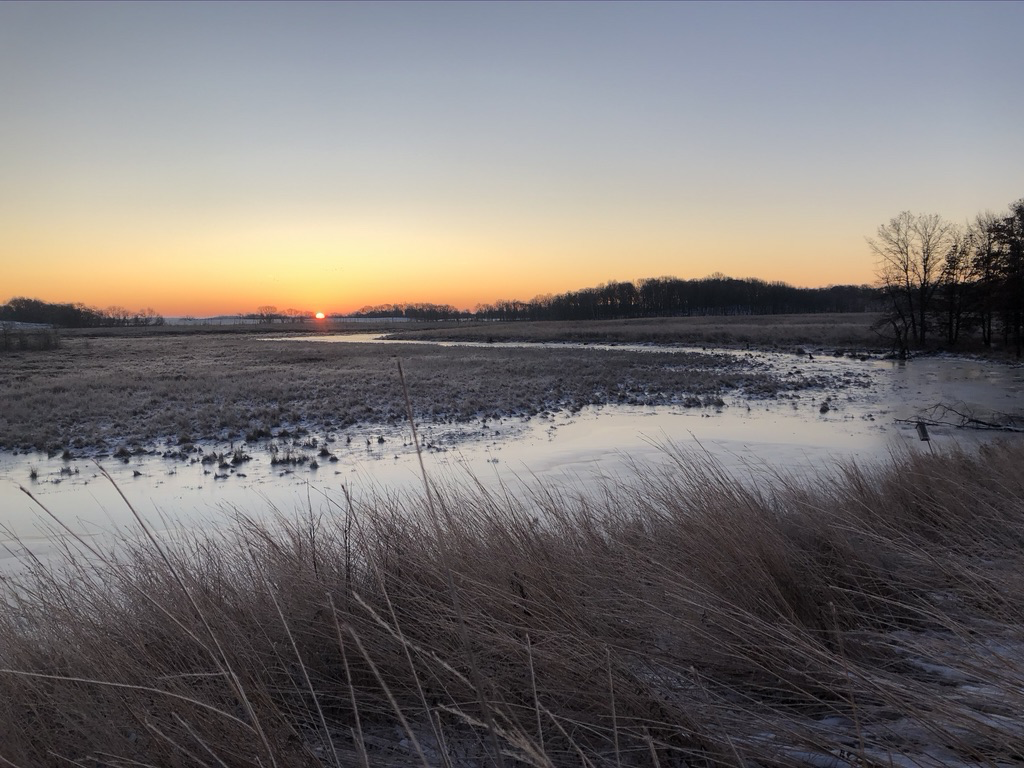
Dawn at Faville Grove Sanctuary. Southern Wisconsin Bird Alliance has used Stewardship funds to purchase and permanently protect nearly 1,400 acres in southern Wisconsin. Photo by Drew Harry

Please follow this link to the latest news about the Knowles-Nelson Stewardship Fund from Gathering Waters. Essential reading, it clarifies the recent Assembly passage of a Stewardship program.

Unfortunately, the short phrase of analysis is "not really." The bill strips almost all the money for land purchases from the program with the most outrageous victims being land trusts and conservation organizations. What remains is the husk of Stewardship and not a viable program.

We have one chance left to save Stewardship. Although this program has earned widespread bipartisan support, its fate will largely be decided on party lines. Some Republicans in the State Senate might want to preserve a meaningful Stewardship program. They have to act now and Republican leaders have to permit them to work with Democrats.  

If you have any connection with any Republican Senator please contact him or her by phone or email of letter (or in person if you see that senator in your community) and ask that they add enough money to the bill so that the DNR, land trusts, conservation groups, and local governments can continue to buy land in order to protect natural resources and allow Wisconsin residents and visitors to enjoy them.

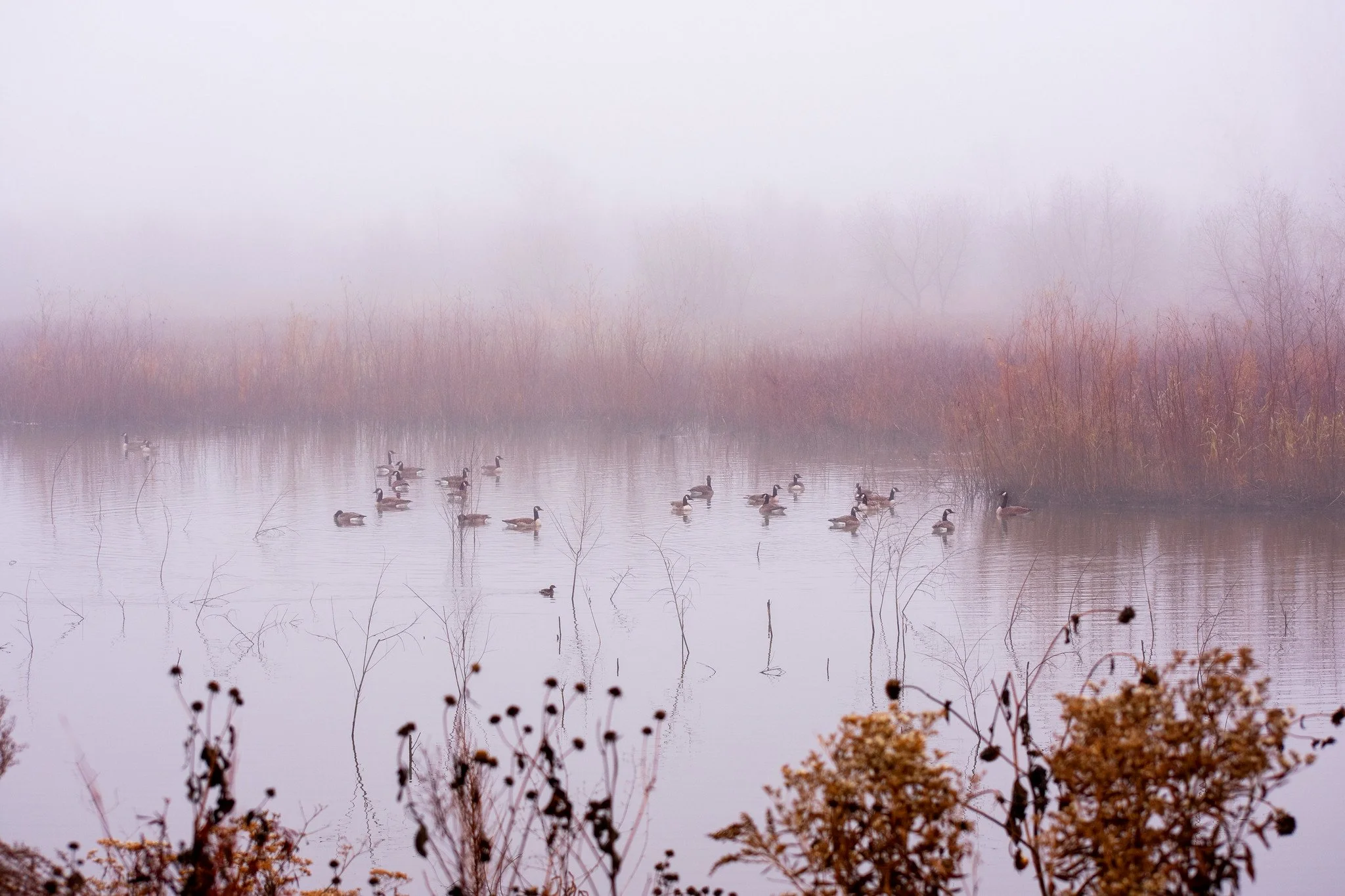
Canada Geese in a wetland on a foggy morning. Photo by Monica Blaser/USFWS

In the bigger picture the opposition of some Republicans to Stewardship is baffling. Ducks Unlimited and the National Wild Turkey Federation, not bastions of Democratic liberalism, have announced the purchase of 1,900 acres in the Avon Bottoms in Rock County. Stewardship dollars were a crucial part of the funding. The purchase of that  land is the final piece in a decades long process to restore wetlands and prairies, protect bottomland forests and the Sugar River, and provide habitat for waterfowl, upland game birds, and dozens of other bird species, some of which are endangered or threatened. Hunters, anglers, birders, paddlers, and hikers will have almost 10,000 acres to enjoy. Wisconsin with the vital help of conservation organizations, land trusts, the DNR, and the Stewardship Fund will have restored and saved one of the largest tracts of quality wildlife habitat in southern Wisconsin and this part of the Midwest. Why on God's good earth would anyone destroy a program that accomplishes so much good?

Stay warm and call, email or visit your favorite Republican State Senator,

Topf Wells, volunteer with Southern Wisconsin Bird Alliance’s advocacy committee

Skunks

The striped (or “common”) skunk doesn't have a great reputation. It’s hard to get past the smell. They’re unpopular for sometimes stealing eggs, honey, and vegetables. If you Google skunks, you’ll finds ads and advice for how to get rid of them. They've  entered common parlance; no one wants to be the skunk at the party or the dead skunk on the side of the road.

Photo by Márcio Cabral de Moura FCC

The Truth

Gathering Waters, SoWBA, numerous statewide and local conservation organizations, and thousands (yes, thousands) of citizens have lobbied legislators for four years to save this program. It's politically popular with the public across partisan lines and is wildly successful. We celebrate STEW’s big successes like SoWBA's purchase of the 300+ acre Hillside Prairie Sanctuary, but it helped fund all sorts of impactful projects around the state, which benefit communities and folks.

Photo by Brenna Marsicek/SoWBA

We are Groot

What to do? Our only chance to save Stewardship is to join hands and send messages of Stewardship support to Governor Evers (so he'll insist on Stewardship being included in any version of the budget he'll sign) and legislators, especially Republicans, to support Stewardship. The arguments: it's good for the environment, animals, plants, people, outdoor recreation, the tourist economy and the overwhelmingly vast majority of Wisconsin voters and residents support it.**

Photo by Andy Reago & Chrissy McClarren

The Second Golden Age?

The Second Golden Age?

Northern Wisconsin's cherished public forests—the national, state, and county forests—resulted from government action. That was the first Golden Age of Public Lands in Wisconsin. Like many Golden Ages (the Golden Age of the Roman Empire, the Golden Age of the  European empires) greed and  suffering formed the foundation of the age. I think the legacy of Wisconsin's public lands is much more positive than the effects of some of those other epochs.

Photo by Arlene Koziol