A snowy owl who almost made it back home

In January 2018, a snowy owl near Arlington, WI was outfitted with a GPS transmitter and tracked by hundreds of scientists and community members. In April, he was found dead in Benton County, Minnesota. The story of “Arlington”, the snowy owl, is one of science, conservation, and community.

Snowy owls hatch and spend their summers and fall in the tundra of northern Canada, and migrate south in early winter, especially in years of high lemming populations when many young are raised. One particular snowy owl was six months old in December when he stopped to spend the winter near Madison Audubon Society’s Goose Pond Sanctuary and the UW Arlington Agricultural Research Station, 17 miles north of Madison. He was one of thousands of snowy owls that flooded into the northern United States and southern Canada during this snowy owl “irruption year”.

Photo by David Rihn

Into the Nest: Home, home on the range

Into the Nest: Home, home on the range

Territories are used for a variety of activities, and their size can vary dramatically depending on their function. A territory held by a colonial seabird may only be large enough for the bird’s nest, and all other activities would take place outside of the territory. Territories may be used only for mating displays. Other birds may hold territories large enough to encompass all of the resources they will need throughout the season. They may be carefully defended year round, or held only for part of the year. Birds typically exclude only their own species from their territory, but may work to defend it from other species too.

Photo by Joshua Mayer

May 2018 Keystone Volunteer: Arlene Koziol

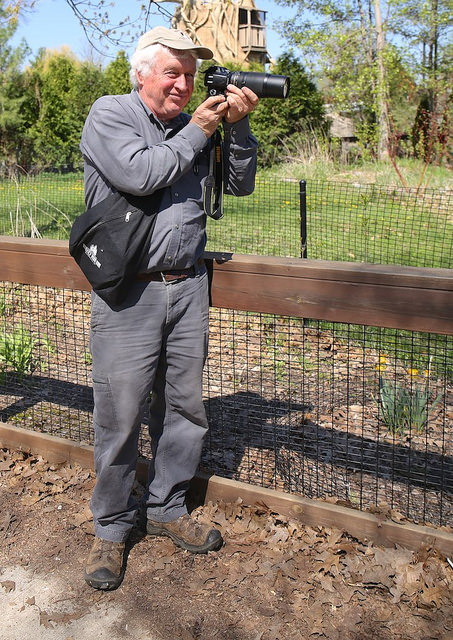
Arlene Koziol is the keystone volunteer of May 2018.

Arlene Koziol is the keystone volunteer of May 2018.

If you follow Madison Audubon in any way, you've probably seen Arlene's name and ogled over her photographs. Arlene Koziol is a phenomenal self-taught bird and nature photographer, who generously donates her time, energy, and photographs to Madison Audubon. As you know, birds are beautiful, and access to an incredible library of professional-grade photographs to use in our education and outreach materials is invaluable.

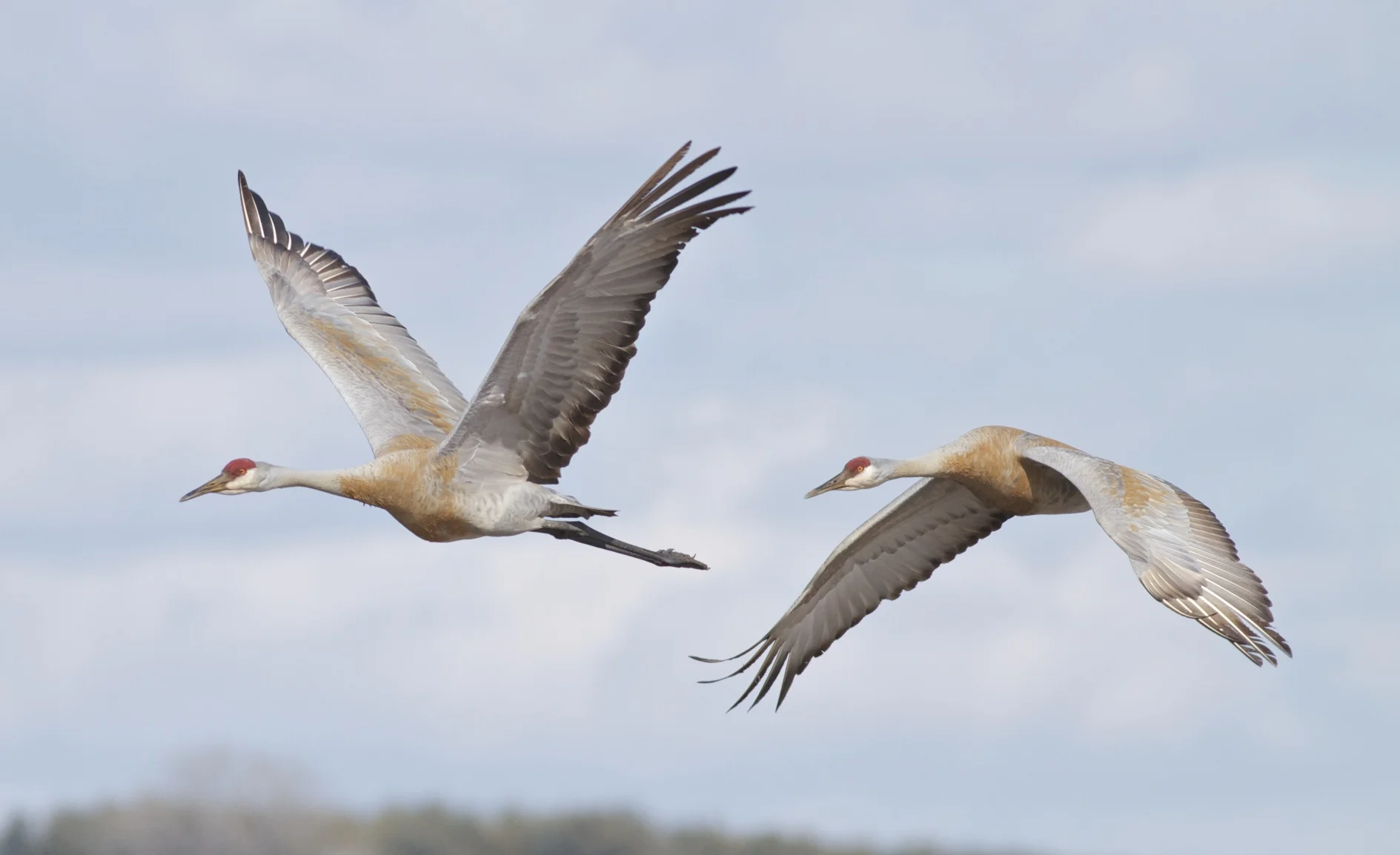
"I became involved in MAS April 2011," says Arlene. "My husband Jeff and I were living in Chicago suburbs and were driving around Columbia County looking for birds to photograph. All the ponds were still frozen and there was not a bird in sight. Suddenly, two sandhill cranes flew in calling to a frozen pond at MAS Goose Pond Sanctuary. The sandhills danced and gave their unison call. The light and the background was perfect. The cranes ignored us. We came away with some of our best ever images of sandhill cranes." 

Sandhill crane pair flying into Goose Pond, 2001. Photo by Arlene Koziol

Sandhill crane pair flying into Goose Pond, 2001. Photo by Arlene Koziol

Sandhill crane landing at an icy Goose Pond, 2001. Photo by Arlene Koziol

Sandhill crane landing at an icy Goose Pond, 2001. Photo by Arlene Koziol

Many of Arlene's bird photographs were taken at Goose Pond Sanctuary, still one of Arlene's favorite sites, especially since moving to the Madison area. And not just for the birds, but also for the people. "Later I met Mark Martin and Sue-Foote Martin, the co-managers at Goose Pond," remembers Arlene. "They were so kind and included me in all the events at Goose Pond. Mark and Sue always took time out of their busy schedules to teach me."

Which worked well for Arlene, as she herself is a natural teacher. Just last week, Arlene taught a group of 10 naturalists the Beginning Bird and Wildlife Action Photography (part of the new Audubon Naturalists Series hosted by Madison Audubon). Her charisma, experience, and openness allowed students to soak up her knowledge about lighting, focus, and preparedness, among other lessons.

As a photographer, she's top notch. Her personality is also one of the best out there, and we are so grateful for all she contributes to Madison Audubon! To learn how you can volunteer with Madison Audubon, visit our volunteer page.

Written by Brenna Marsicek, Director of Communications

Into the Nest: Grasslands have a canopy too!

Into the Nest: Grasslands have a canopy too!

Last week our grassland birds were on an epic journey north to Wisconsin. They made this monumental trek to gain access to the huge flush of productivity that occurs in the northern spring and summer. This food bonanza will make raising a brood a hungry chicks easier, and makes the hard migration worth it in the long run.

So what happens to our birds after they arrive back in Wisconsin? They search for habitat and work towards setting up territories.

Photo by Joshua Mayer

Into the Nest: Grassland Basics

Into the Nest: Grassland Basics

We all have a scene that pops into our heads when we think of ‘grassland birds’. Maybe you simply think of the birds themselves. Perhaps you see sunlight glistening on dewy prairie, while a northern harrier floats a few feet above the grass. Do you hear a dawn chorus of bobolinks and eastern meadowlarks punctuated by the quiet whisper of Henslow’s sparrow? Whatever image you conjure, I imagine it warms your heart.

Photo by Arlene Koziol