Advocacy

Good News: DOT Shuts Down Interstate Options Through Goose Pond!

Monarch on goldenrod; Photo by Arlene Koziol

Monarch on goldenrod; Photo by Arlene Koziol

Good news from the Wisconsin Department of Transportation today: The study looking into how the DOT might expand Interstate-39/90/94 outside of Madison has ended, with the elimination of the "East Reliever" interstate options. That means Goose Pond will remain unaffected and safe from this threat!

Thank you for all of our members who voiced your concerns to the DOT and made our priorities known!


Read more about what the threat was here.

MAS on Knowles-Nelson Stewardship Program changes

Jill's Prairie at Madison Audubon's Goose Pond Sanctuary

Jill's Prairie at Madison Audubon's Goose Pond Sanctuary

>> Read the MAS letter to Stewardship Program coordinator <<

In 1989, the Wisconsin Legislature created the Knowles-Nelson Stewardship Program, to be administered by the Wisconsin Department of Natural Resources. The program facilitates the preservation of valuable natural areas and wildlife habitat, protection of water quality and fisheries, and expansion of opportunities for outdoor recreation. To do this, they provide grants for land acquisition and property development.

If you have been to either of our sanctuaries, you'll see the Stewardship Program at work. Madison Audubon Society received the first ever Stewardship grant for a nonprofit conservation organization for a land purchase at Goose Pond Sanctuary. Since then, the Stewardship program has been vital to completing many other acquisition projects that have contributed to the size, diversity, and beauty of our sanctuaries and now provide habitat for wildlife, recreation opportunities for citizens, and educational resources for local kids.

The Program is at risk now, due to proposed changes that severely limit the types of land proposed for Stewardship Program funding - and severely limiting Madison Audubon's ability to acquire land that will ultimately benefit Wisconsin's birds. Madison Audubon has submitted a formal letter to the Stewardship Program coordinator urging reconsideration of the proposed changes.


>> Read the MAS letter to Stewardship Program coordinator <<


Get Involved!

You can help prevent damaging changes to the Stewardship Program from happening too. The DNR is now soliciting public input on revisions to ranking/scoring criteria for nonprofit Stewardship grant proposals. Draft revisions, explanations of the goals of the revisions, and how to submit your comments are on the DNR's program guidance web page. You can also send thoughts on the proposed changes to members of the DNR Natural Resource's Board. Addresses for the members are available in our letter or online here.

Comments are being accepted through March 3. Make your voice heard!

Tell DOT: No Interstate Through Goose Pond Sanctuary

>> Read Madison Audubon's letter to Robert Knorr, DOT project manager <<

Scroll down to learn how you can help!

The Wisconsin Department of Transportation is currently studying ways to relieve congestion in the I-39/90/94 corridor east and north of Madison. Three of the five options under
consideration would severely affect Goose Pond Sanctuary.

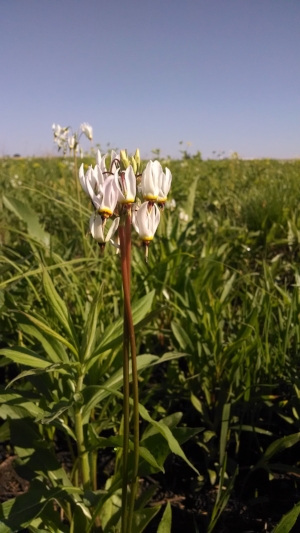
A shooting star at Goose Pond Sanctuary

A shooting star at Goose Pond Sanctuary

The most destructive options involve construction of a new section of interstate highway running east of DeForest and Arlington, through Goose Pond Sanctuary at Ankenbrandt Prairie, and rejoining the existing interstate corridor near the Wisconsin River. In addition to destroying and fragmenting prairie habitat, including habitat for the endangered silphium borer moth and other threatened grassland species, the new highway would bring noise, light,  air, and water pollution to the sanctuary, and would severely detract from public enjoyment of one of our area’s premier birding hotspots.

While construction won’t begin until 2025 or later, a decision on a preferred option is expected by this summer. We are hopeful, for a variety of economic, social, and environmental reasons,  that DOT will elect to confine any capacity expansion to the existing interstate corridor rather than create a new roadway.  Nonetheless, to assure this outcome, it is crucial that everyone who loves Goose Pond let DOT know that any new route through or near Goose Pond Sanctuary will pass through a minefield of public opposition.


UPDATE (Feb. 28, 2017): Good news! The Department of Transportation has eliminated the "East Reliever" interstate options, thereby removing the threat to Goose Pond Sanctuary! Thank you for your great help in making these concerns heard!

Update: MAS continues to advocate for the appropriate use of the SPRA land

Madison Audubon has been working extensively with the DNR to create a master plan for the appropriate use of the Sauk Prairie Recreation Area (SPRA). The SPRA was founded in deep historic roots. Over the years, the land was cultivated for various activities. Currently, Madison Audubon is working with the DNR to utilize this land for conservation purposes. The idea is to provide a natural habitat for various bird and wildlife species. In order to fullfill this vision, we're trying to reach a mutual agreement on the best practices for the land. Please read our latest report to the DNR: November 28th Report: Advocacy Letter

To view the full revised Master Plan: Sauk Prairie Recreation Area Master Plan and Environmental Impact Statement (draft) 

If you're interested in becoming an advocate, the Natural Resources Board will be meeting at December 14, 2016 in Madison: DNR Board Meeting Info

Photography by DNR

Photography by DNR

MAS reviews Badger Army Ammo Plant master plan

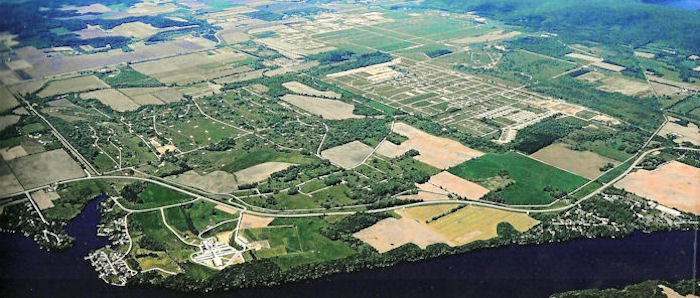
A view of the Badger Army Ammunition Plant grounds from the southeast. Photo from WI DNR webpage.

A view of the Badger Army Ammunition Plant grounds from the southeast. Photo from WI DNR webpage.

The Badger Army Ammunition Plant, located just south of Devil's Lake State Park in south central Wisconsin, was the largest munitions plant in the world during World War II. It was decommissioned in 1997, the buildings since then demolished and the land remediated for its new owners. Much of the land is now restored prairie.

The 7,000+ acres is now part of the Sauk Prairie Recreation Area, and will be maintained by three owners: the Wisconsin Department of Natural Resources, Ho-Chunk Nation, and Dairy Forage Research Center. A master plan for DNR-designated land has been drafted, revised, and is now available for public review.

Madison Audubon Society's Advocacy Committee is reviewing the draft master plan and will provide the DNR with feedback on best management practices for protecting grassland birds and the opportunities and challenges facing a restoration of critical habitats (oak openings and prairies). The DNR Board meets on December 14, 2016 in Madison to discuss the plan and gather feedback - public participation is welcome.

Access the Sauk Prairie Recreation Area Master Plan and Environmental Impact Statement here.