Breeding Bird Distributions

Print Friendly and PDF

Bird distributions are not random. Across the state, one notices that loons are a distinctly northern Wisconsin species, or that yellow-bellied sapsuckers occur over the northern half of the state, while also extending into western Wisconsin’s Driftless Area. Perhaps even locally, one notices an abundance of Canada Geese breeding around urban ponds, where park lawns and predator-free expanses make happy geese. 

Color codes for breeding status.

Color codes for breeding status.

Of peculiar interest to me, at Faville Grove Sanctuary, is the presence and absence of certain bird species. Today, we will observe the biogeography of certain bird species in Wisconsin, based on maps pulled from eBird data on the second Wisconsin Breeding Bird Atlas. To the right, you’ll see the different categories of breeding, based on quantitative observations gathered during Wisconsin’s recently completed five year long Breeding Bird Atlas.

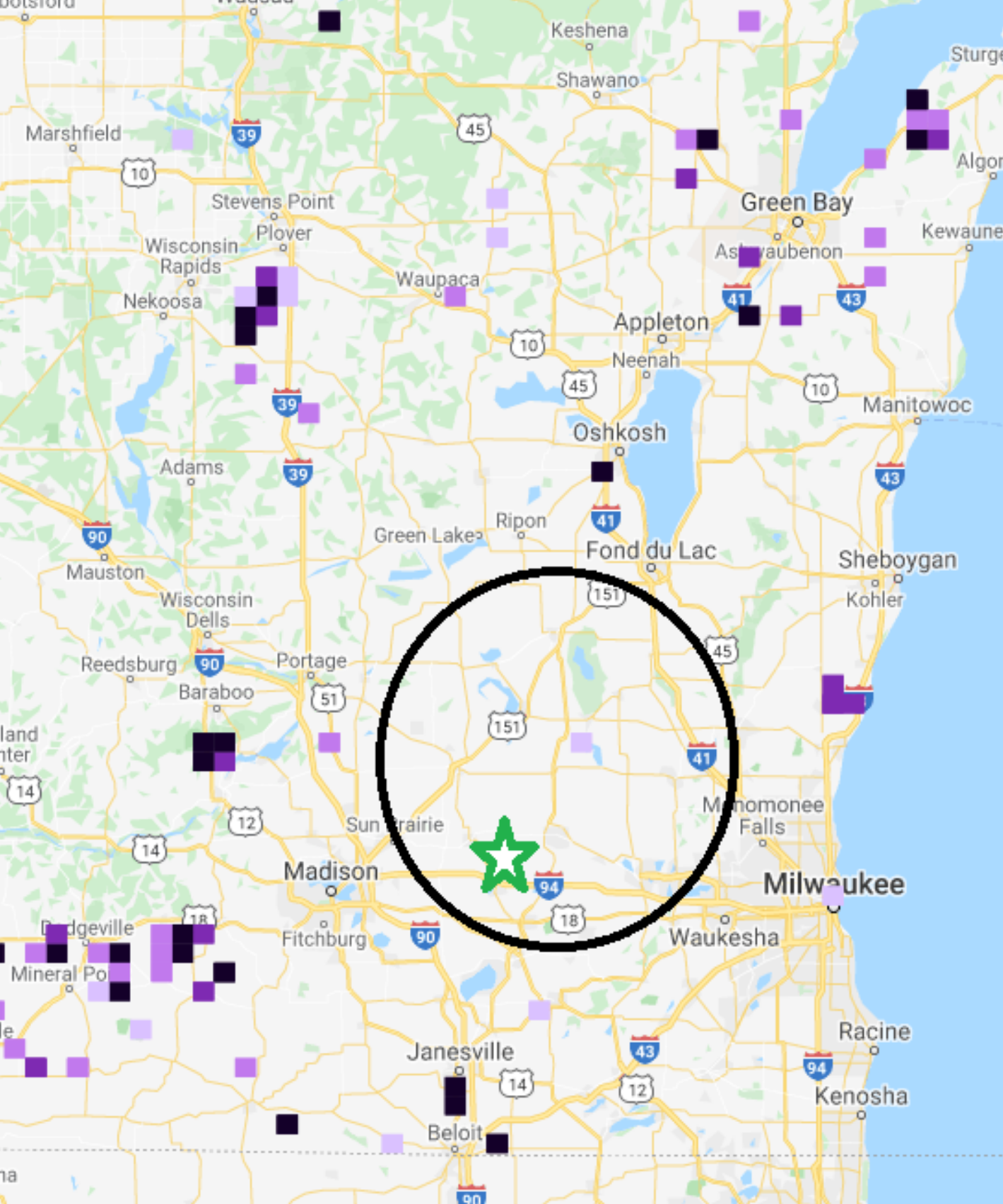
The striking feature of many of the maps that follow is the absence of breeding birds in the Faville Grove Area. From roughly Lake Koshkonong to south, Madison to the west, Horicon Marsh to the north, and the Kettle Moraine to the east, one notices distinct range gaps in many of these bird species. The absence of certain species in this region speaks to the necessity of a landscape-scale habitat project, and the presence of many of these birds at Faville Grove is a testament to the habitat restoration conducted here. 

A fun game is to try and guess the species based on the map.


First, we will analyze the upland sandpiper. Formerly abundant at Faville Grove, the bird used to nest with up to one pair every 1.5 acres, though the birds have not been seen in decades. Art Hawkins, one of Aldo Leopold’s graduate students, published an important paper on the ecology of the Upland Sandpiper at Faville Grove. 

The bird occurs south, west, east, and north of Faville Grove, though in very small numbers. South of Baraboo you can see a block of confirmations from the Sauk Prairie Recreation Area, which includes large acres of new prairie restorations. With new land acquisitions at Faville Grove forming large contiguous blocks of prairie, we eagerly await a possible return of the upland sandpiper.

Upland sandpiper, photo by Vitalii Khustochka, FCC
Upland sandpiper, photo by Vitalii Khustochka, FCC

Upland Sandpiper breeding range in southern Wisconsin, conspicuously absent from the circled area. Star indicates Faville Grove Sanctuary

Upland Sandpiper breeding range in southern Wisconsin, conspicuously absent from the circled area. Star indicates Faville Grove Sanctuary


The short-eared owl was a common breeding species at Faville Grove up until Aldo Leopold’s time in the 1930’s and 40’s. The bird has returned with increasing grassland acreage, overwintering on a diet of meadow voles from the prairie. There is potential for breeding pairs with expanded contiguous habitat.

Short-eared owl, photo by Mick Thompson

Short-eared owl, photo by Mick Thompson

The light purple block west of the I-94 marker is the atlas block that contains Faville Grove Sanctuary

The light purple block west of the I-94 marker is the atlas block that contains Faville Grove Sanctuary


A charismatic and bold bird, the red-headed woodpecker is a relatively common breeder in southern Wisconsin, though remains uncommon in the Faville Grove region. Oak trees and dead snags are critical to keep this species over summer, and a breeding pair has occupied this exact habitat at Hope Lake Bog (an outlying Madison Audubon property) for a number of years. Consistent sightings in the savanna of the Lake Mills Ledge indicate that the canopy thinning has improved habitat for this species.

Red-headed woodpeckers, photo by Kelly Colgan Azar

Red-headed woodpeckers, photo by Kelly Colgan Azar

Red-headed woodpecker breeding locations.

Red-headed woodpecker breeding locations.


A unique warbler with a warm buzzy song, the blue-winged warbler has been expanding northward in Wisconsin since the turn of the twentieth century. Between the first and second Breeding Bird Atlas, breeding pairs have moved even further north into the northwestern and northeastern parts of the state. Yet, the bird is strikingly absent from the Faville Grove Area. One pair was confirmed during the Atlas at the Waterloo Wildlife Area, to the north, where I have seen and heard dozens of the birds during migration. Nesting in shrubby areas and along forest edge, why the birds remain absent from Faville Grove remains a mystery.

Blue-winged warbler, photo by Kelly Colgan Azar

Blue-winged warbler, photo by Kelly Colgan Azar

Breeding map for blue-winged warblers in southeastern Wisconsin.

Breeding map for blue-winged warblers in southeastern Wisconsin.


A declining forest bird, the ovenbird lacks necessary habitat at Faville Grove. A ground nester, the ovenbird needs extensive forest tracts.  From the map, we can almost identify the entire Kettle Moraine from southwest to northeast. It seems that outside of the Kettle Moraine, little suitable habitat exists. This is a common plight of many forest birds—the southeast glacial plains ecological landscape is about 4.9 million acres, with almost 3 million acres in agriculture. A mere 392,000 acres of the entire landscape is upland forest, and the only large blocks of forest are located in the Kettle Moraine, where you can also find ovenbirds.
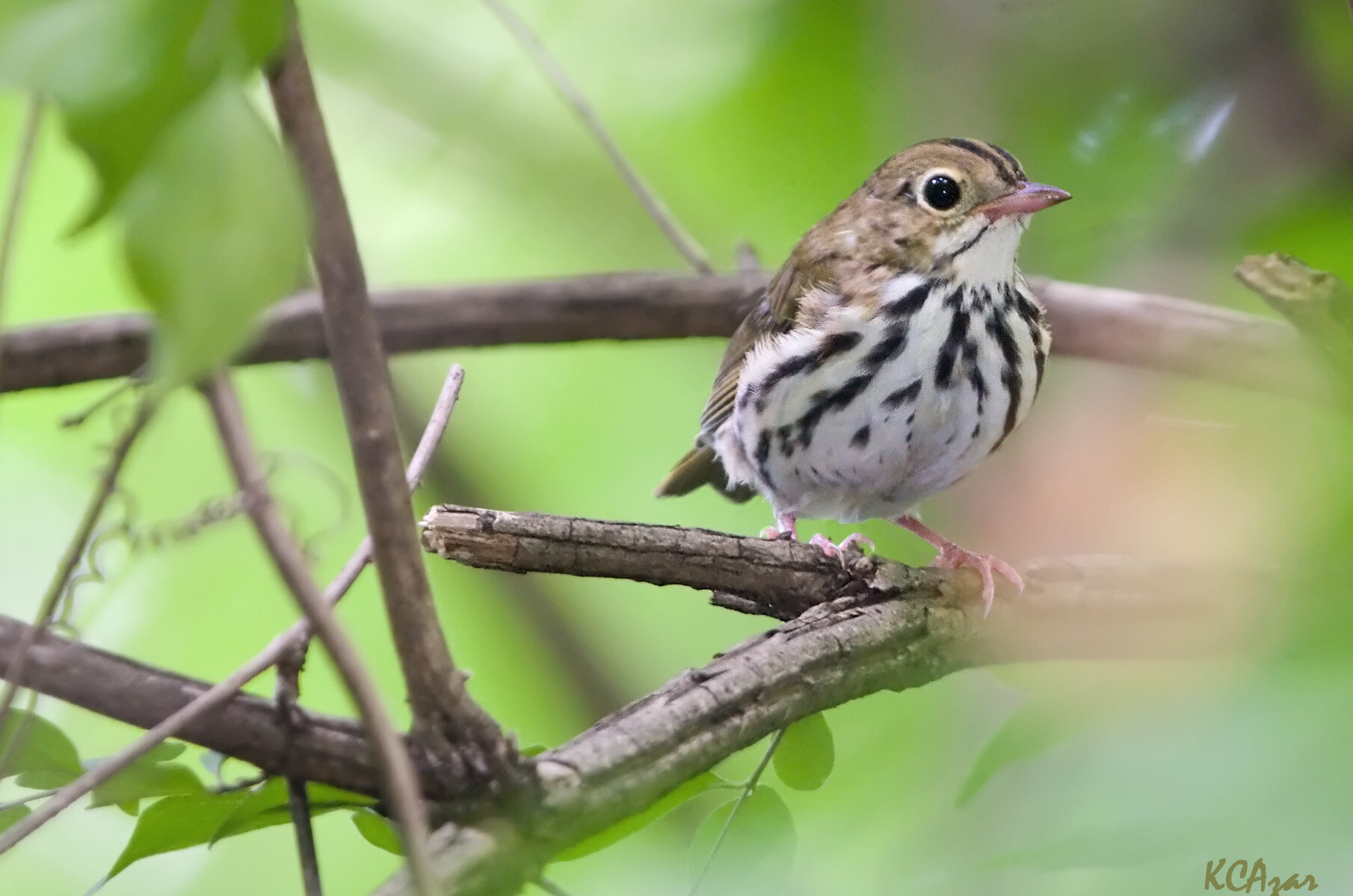
Ovenbird, photo by Kelly Colgan Azar

Ovenbird, photo by Kelly Colgan Azar

Breeding map for ovenbirds in southeastern Wisconsin.

Breeding map for ovenbirds in southeastern Wisconsin.


Found in young forests and shrublands, the mourning warbler occurs for the most part north of Faville Grove, but does breed in the Southern Kettle Moraine State Forest. Savanna restorations may be important breeding areas for this bird, though the overall extensive forest cover of northern Wisconsin is preferred.

Mourning warbler, photo by Tom Benson

Mourning warbler, photo by Tom Benson

Breeding map for mourning warblers in southeastern Wisconsin.

Breeding map for mourning warblers in southeastern Wisconsin.


Here, we see a grassland species with an affinity for forb-rich prairies and high diversity. Faville Grove’s high diversity prairie restorations should provide excellent habitat for the grasshopper sparrow, and one singing bird this past summer could be an indication of a bright future at Faville Grove. Breeding pairs in this area would be an important population boost for the region.

Grasshopper sparrow, photo by Kelly Colgan Azar

Grasshopper sparrow, photo by Kelly Colgan Azar

Breeding map for grasshopper sparrows in southeastern Wisconsin.

Breeding map for grasshopper sparrows in southeastern Wisconsin.


Finally, we can locate Faville Grove’s block precisely on this map, where a black square west of the I-94 marker confirms the breeding of Henslow’s sparrows at Faville Grove. Unburned prairie seems a necessity for the Henslow’s sparrow, and a shifting patchwork of burns has provided excellent habitat for an increasing population of this state-threatened bird at Faville Grove.

Henslow’s sparrow, photo by JanetandPhil, FCC

Henslow’s sparrow, photo by JanetandPhil, FCC

Breeding map for Henslow’s sparrow in southeastern Wisconsin.

Breeding map for Henslow’s sparrow in southeastern Wisconsin.


It could be that the geographic gap in species’ ranges is an artifact of the sampling—located between high population centers in Madison and Milwaukee, the gap apparent in many ranges could just lack sufficient birding. However, the map below shows many areas between Madison and Milwaukee with over 100 checklists, and an overall good coverage of the entirety of southeast Wisconsin.

Map of sampling effort in southeastern Wisconsin.

Map of sampling effort in southeastern Wisconsin.

A confluence of factors merges to produce these range gaps in many species. As stated earlier, only 8% of the southeast glacial plains is upland forest. Of the entire landscape, only 4% is publicly owned. Small slivers of habitat tend to hold fewer birds than large blocks. Thus, on a landscape wanting for many bird species, a landscape-scale habitat restoration project like Faville Grove can fill the gap.

Written by Drew Harry, Faville Grove Sanctuary land steward

Snapshot Wisconsin: Goose Pond's Bird List

Print Friendly and PDF
image (23).png

The DNR’s Snapshot Wisconsin website provides information on their program : “Let's discover our wildlife together! Snapshot Wisconsin is a partnership to monitor wildlife year-round, using a statewide network of trail cameras. The project provides data needed for wildlife management decision support. It is also a unique opportunity for individuals, families, and students to get involved in monitoring the state’s valuable natural resources.”

As of February 1st, Snapshot Wisconsin reported that 1,755 volunteers are maintaining 2,147 trail cameras, and returning 38,446,952 photos.  The cameras shoot a burst of 3 photos when triggered that resulted in an impressive 12,800,000 wildlife observations! 

We set up a Snapshot Wisconsin camera at Goose Pond Sanctuary in October of 2017 at the corner of Jill’s Prairie where three trails meet adjacent to restored prairie, cropland, and a food plot.  Last March, the cropland and food plot was flooded due to record high water levels.   

_DSC0730.jpg

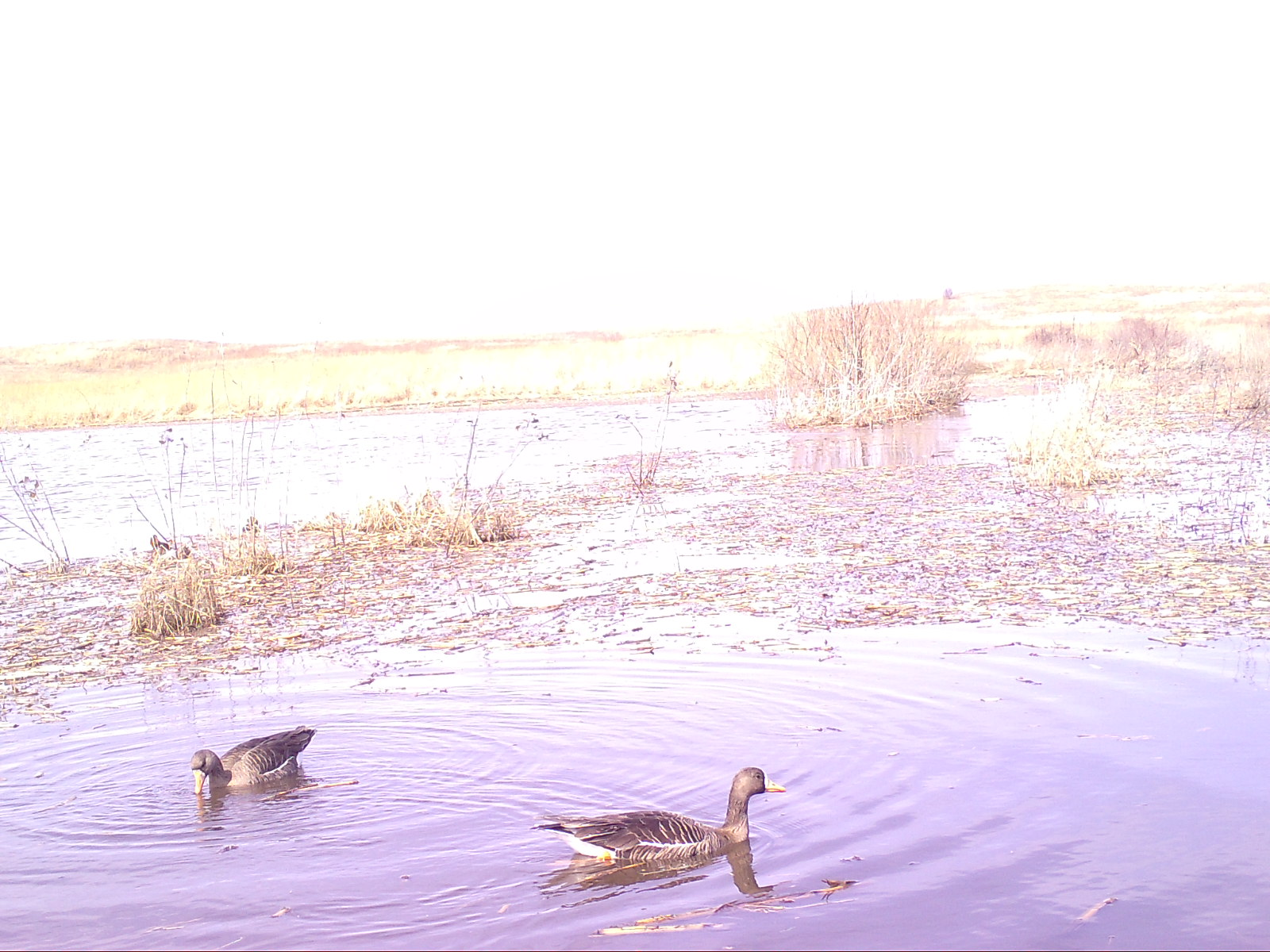
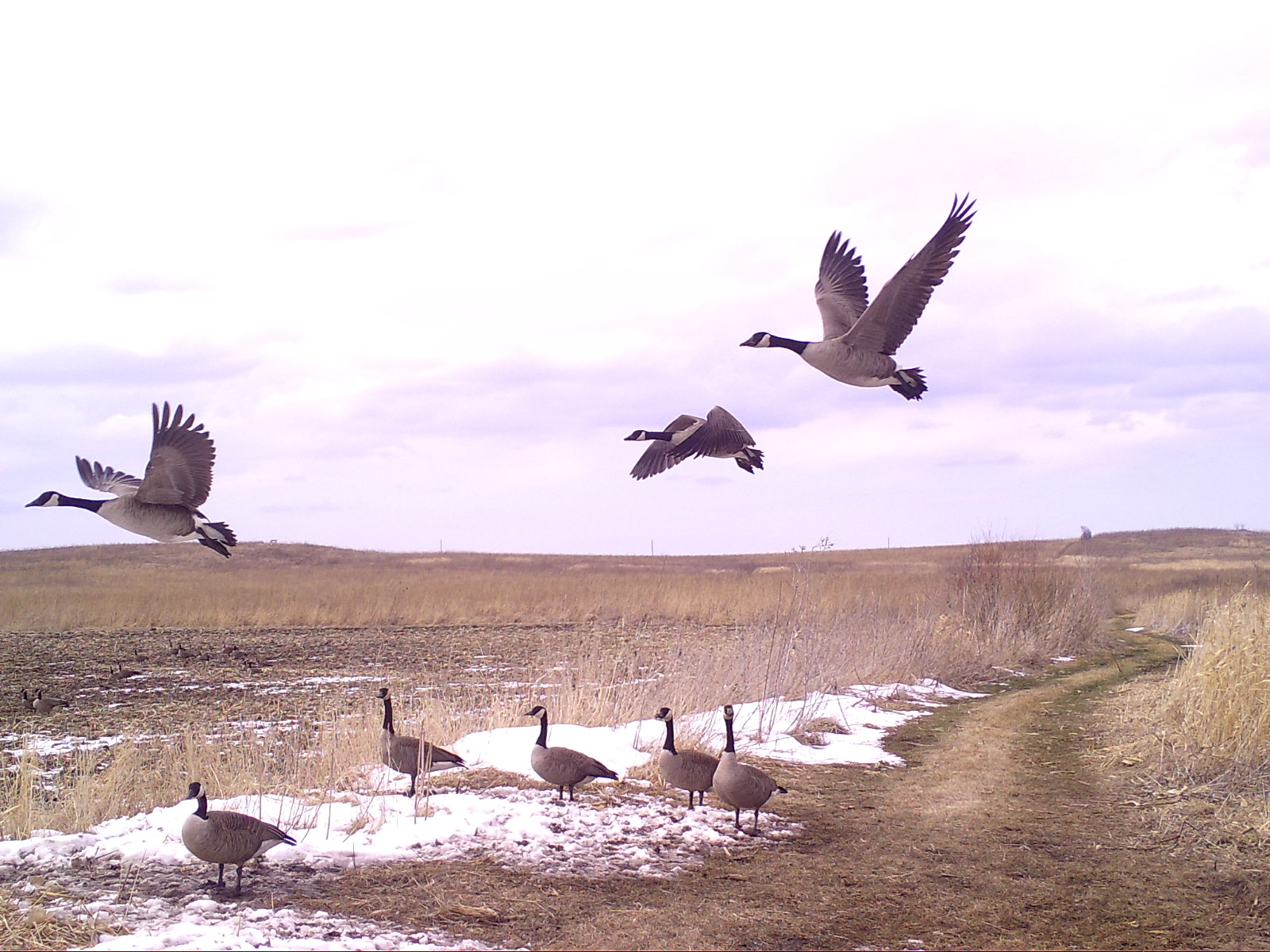
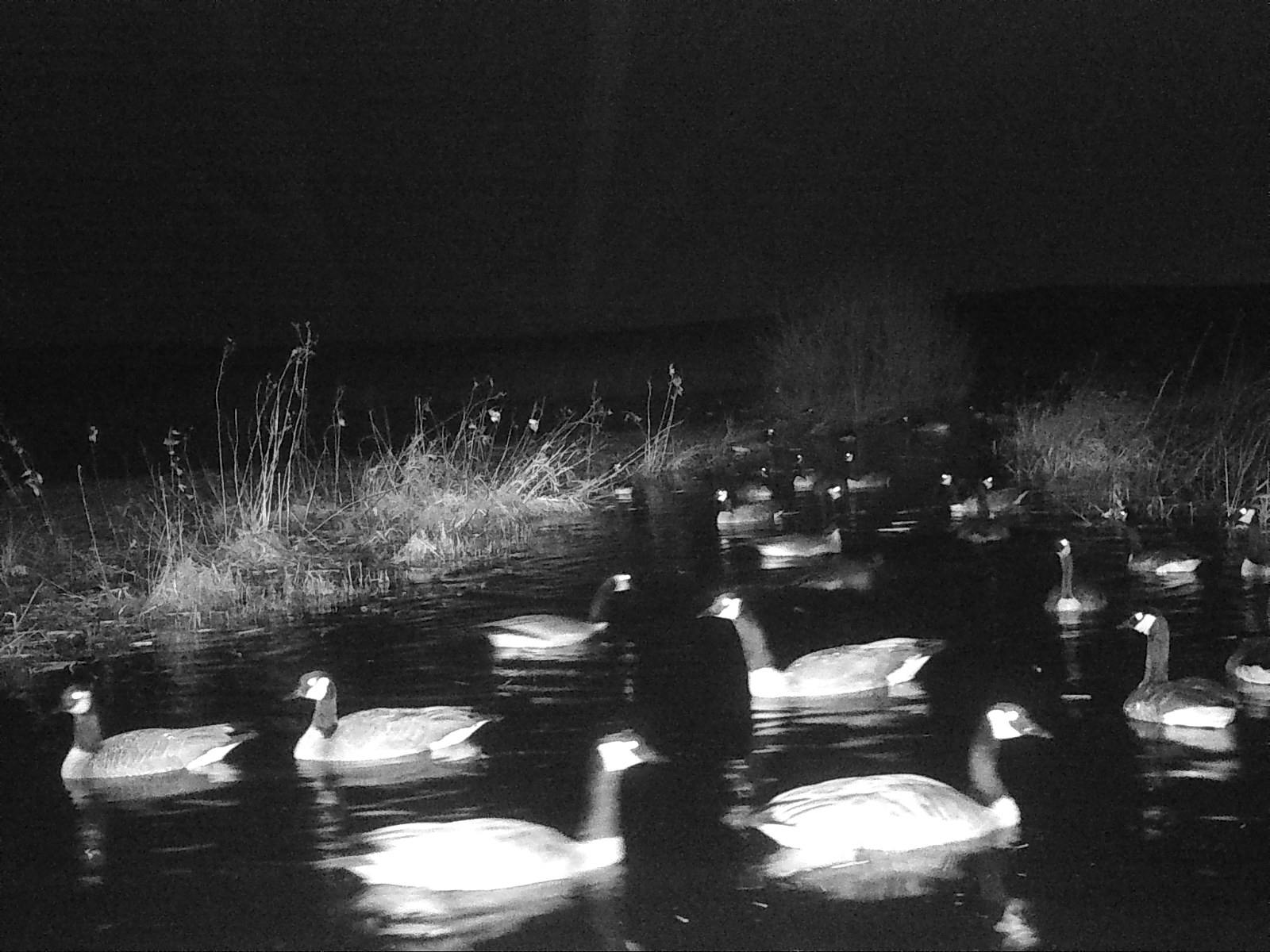
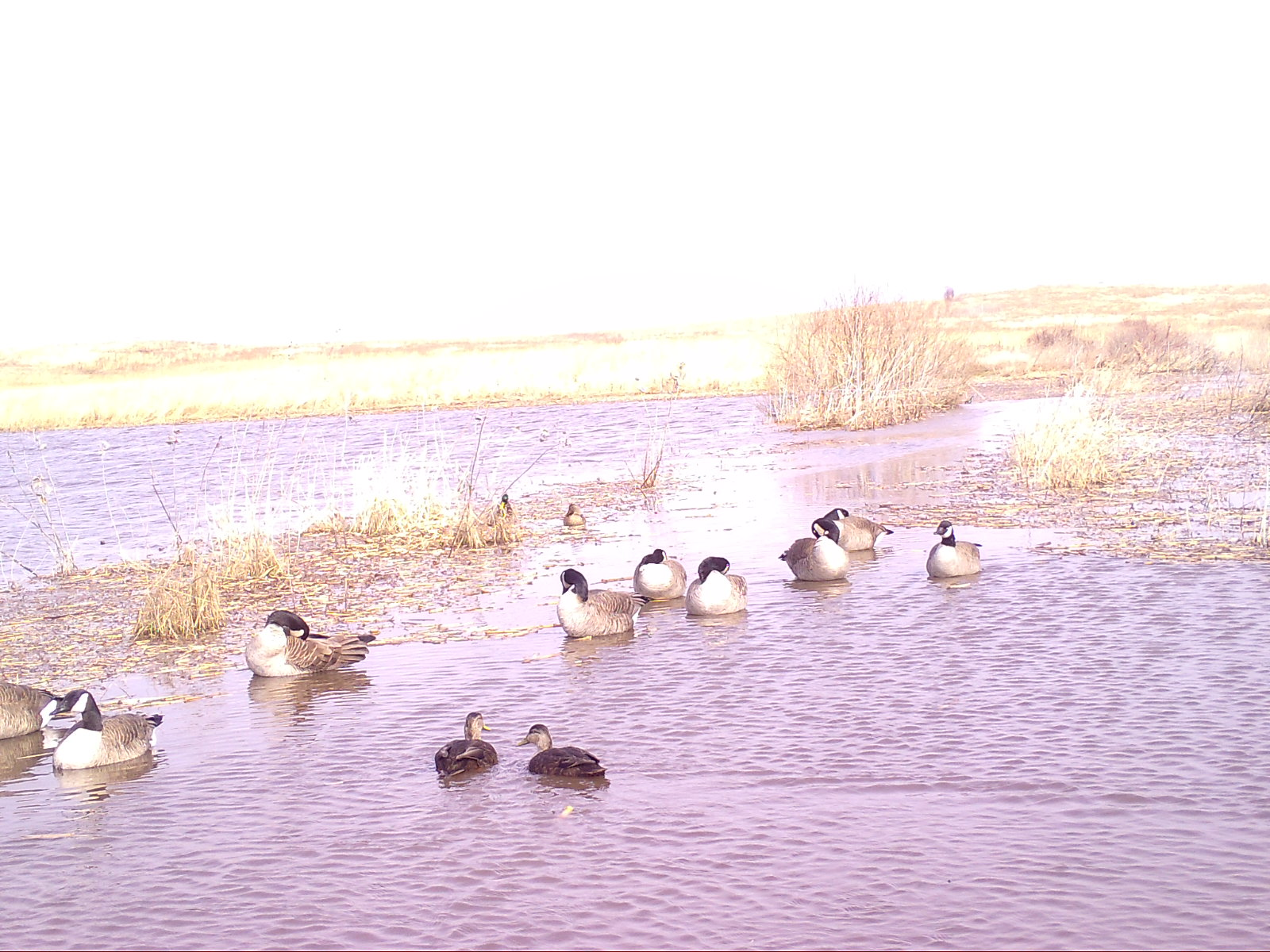
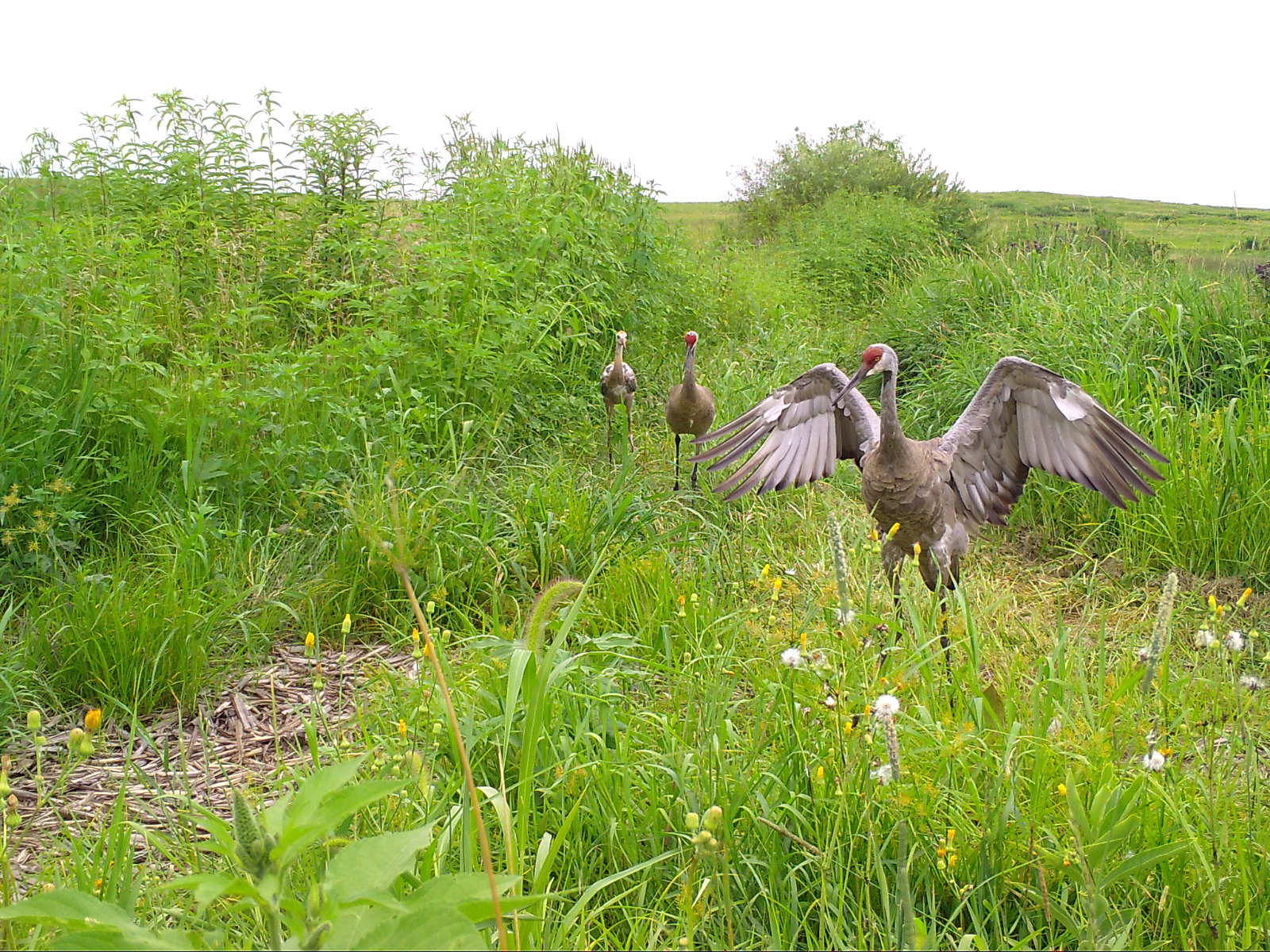
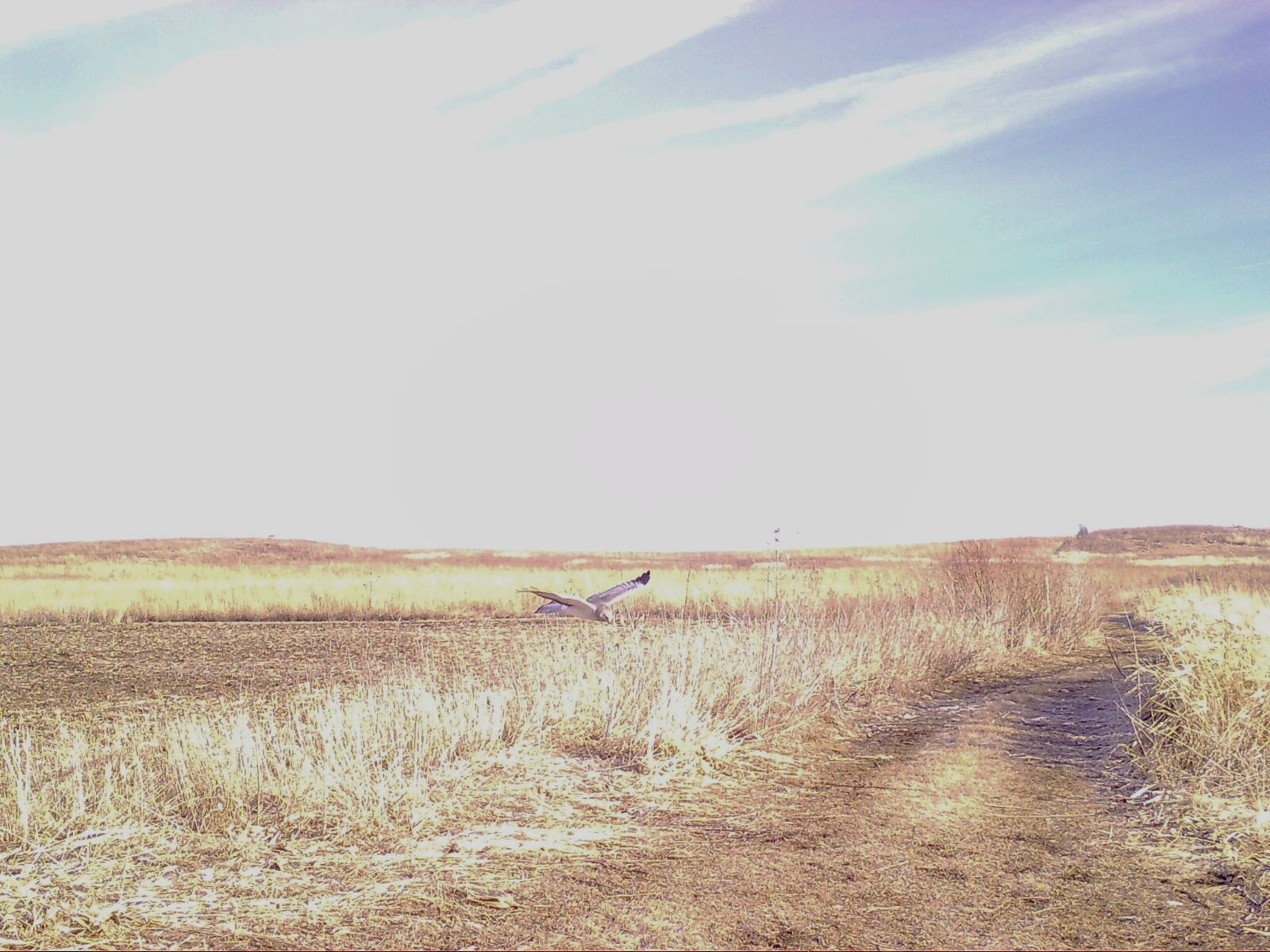
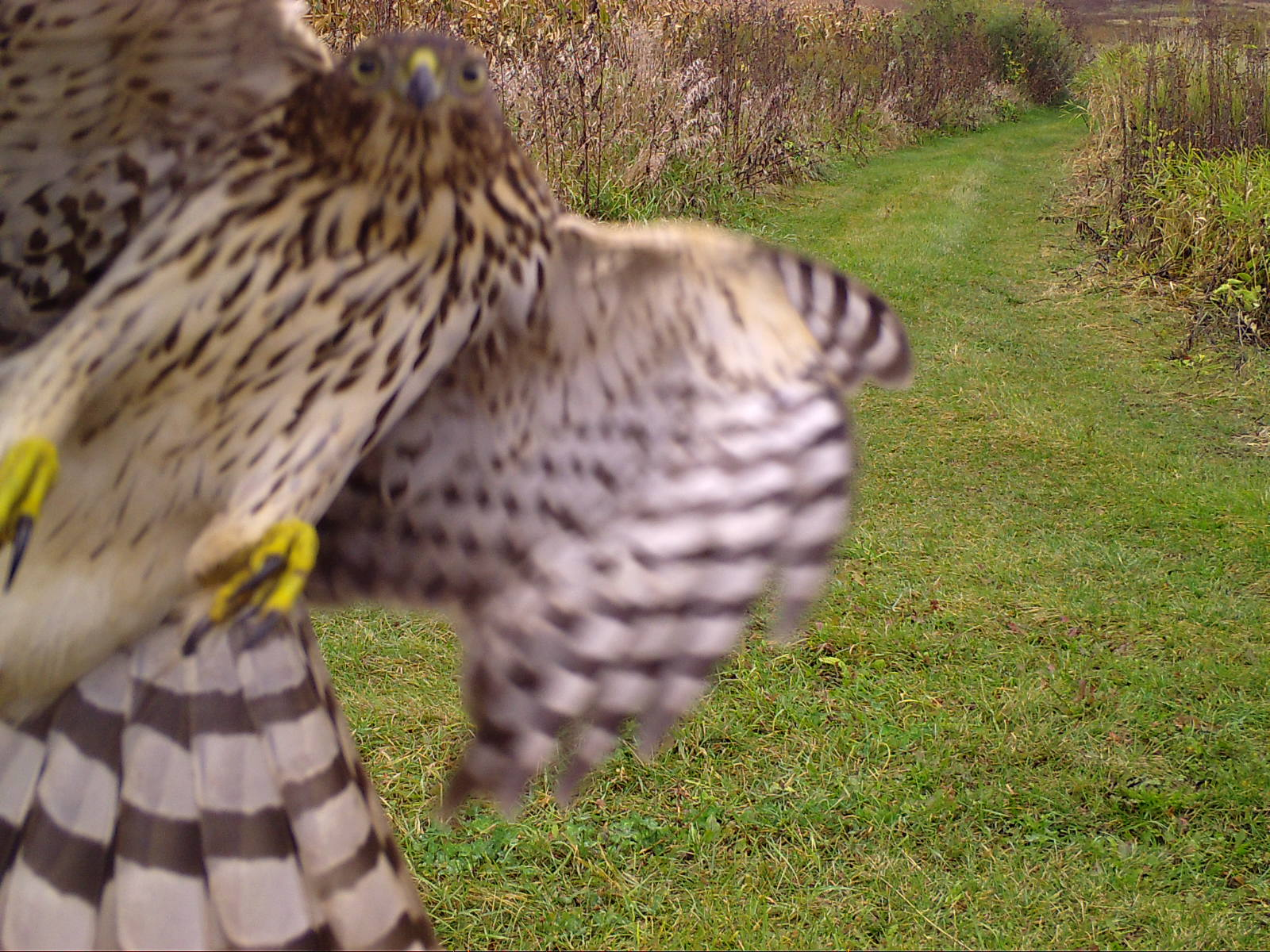
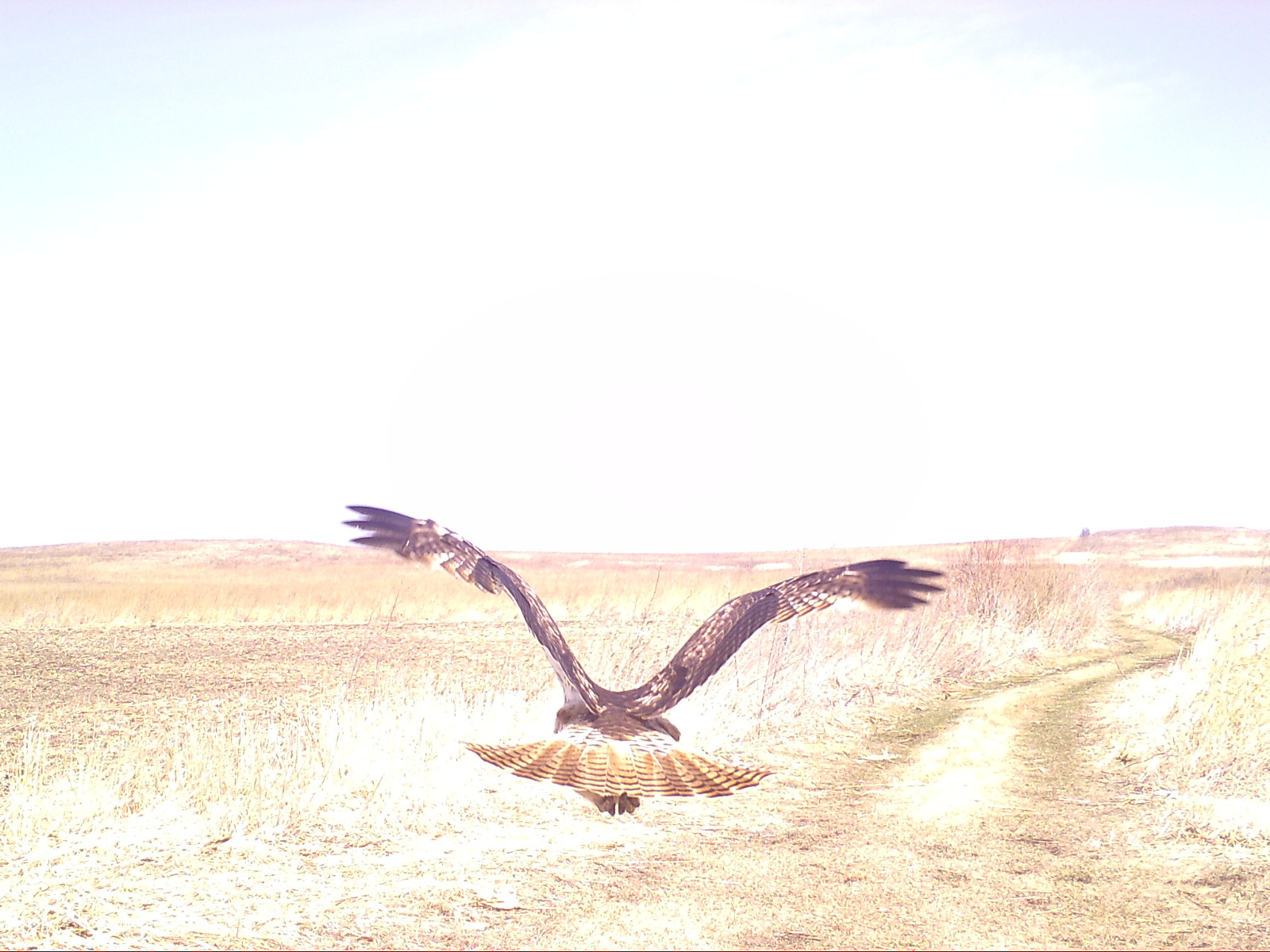
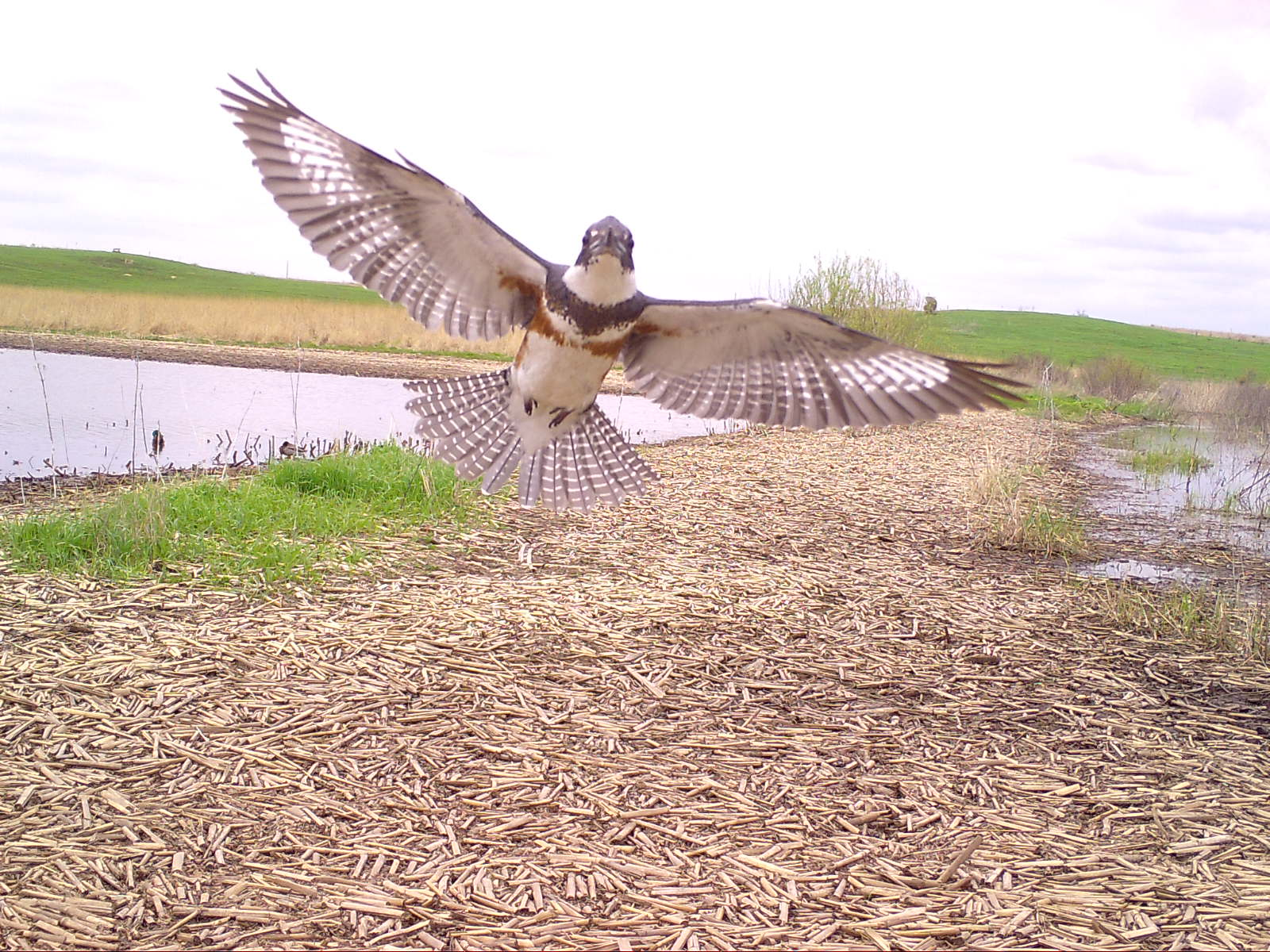
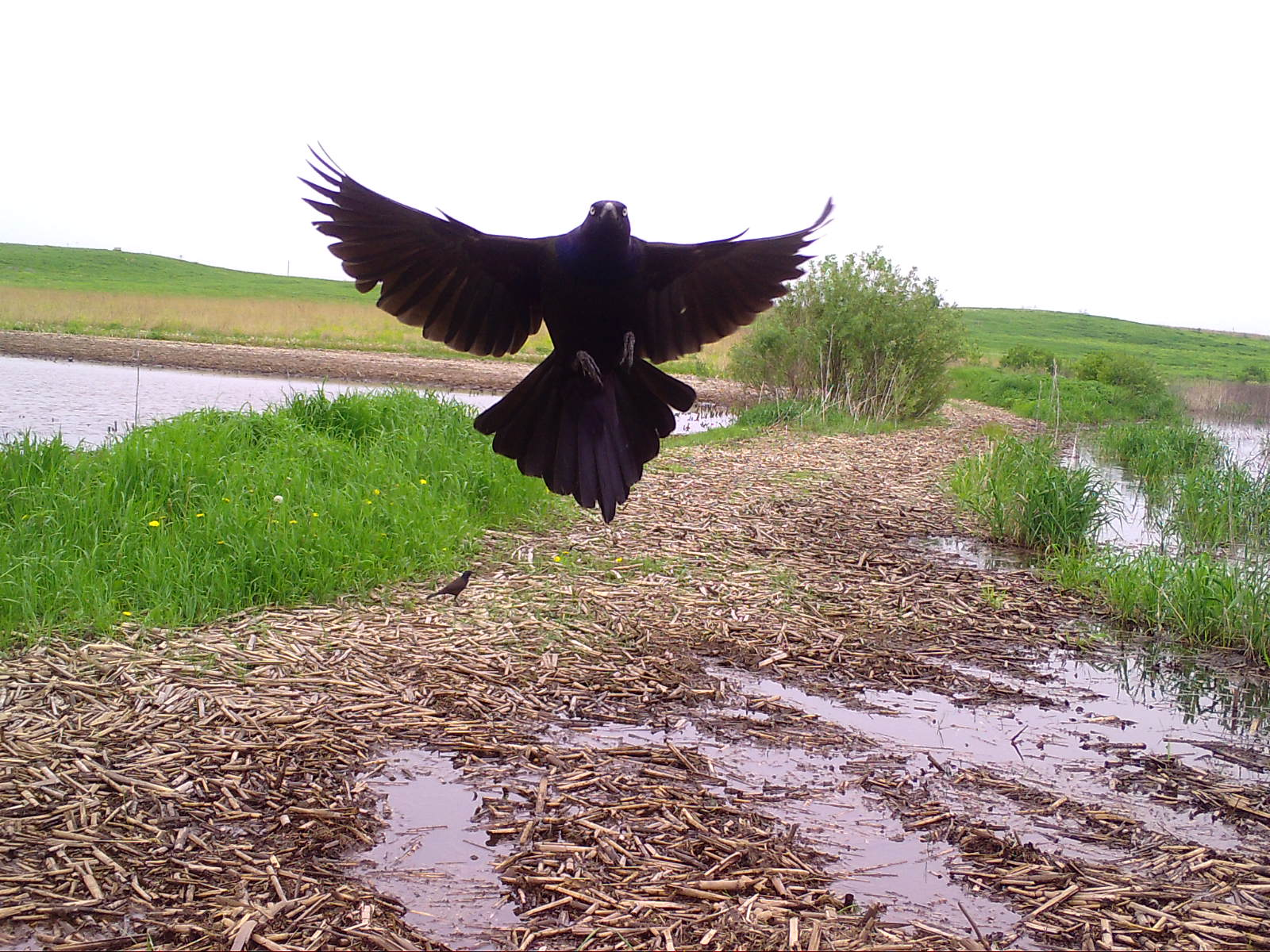
An impressive list of 31 bird species have had their pictures taken between October 2017 and February 2020. Thanks to Bob Benicoff who helped review and classify photos and to Jim Otto for helping tally the bird species and selecting interesting photos.  

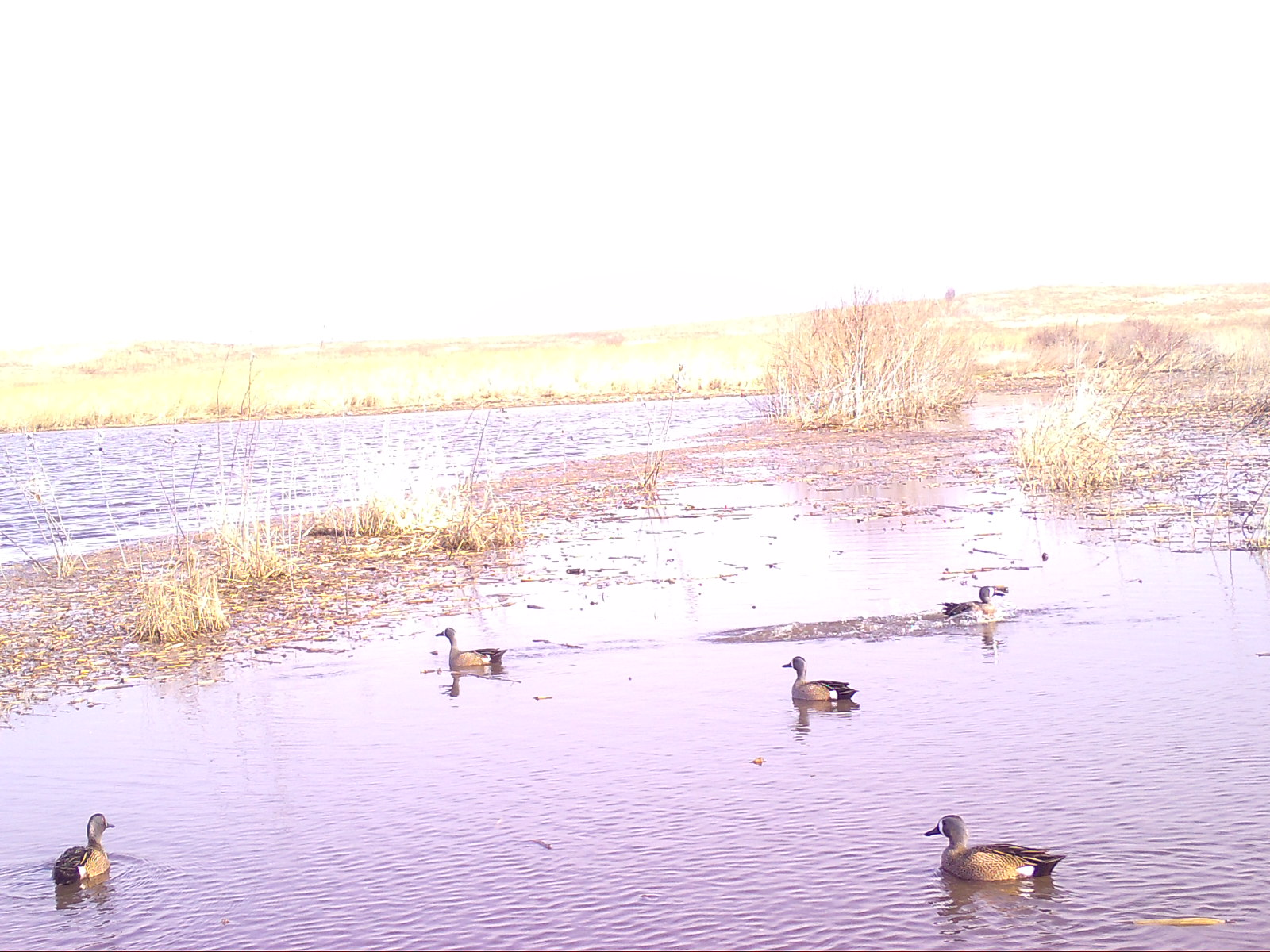
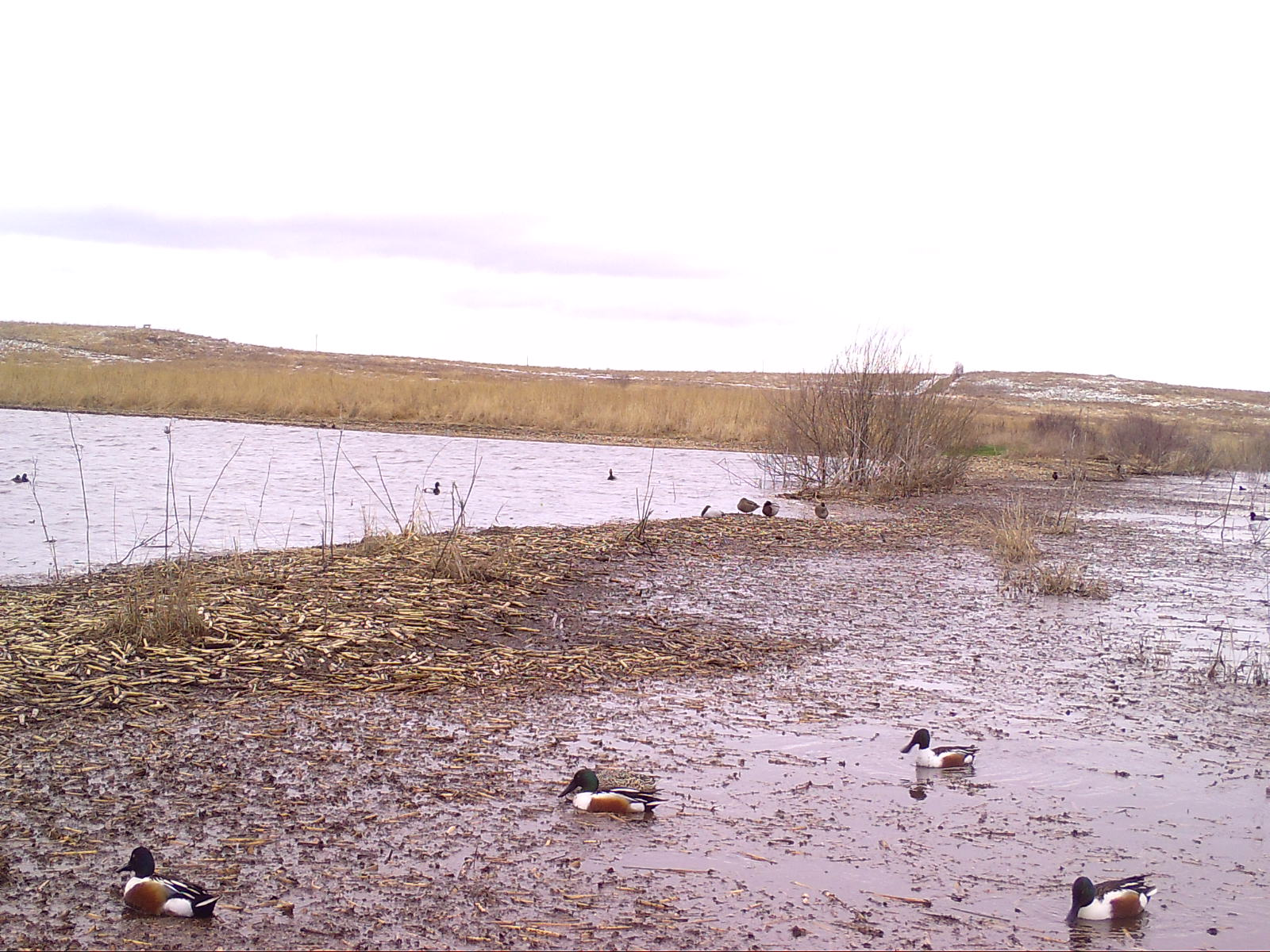
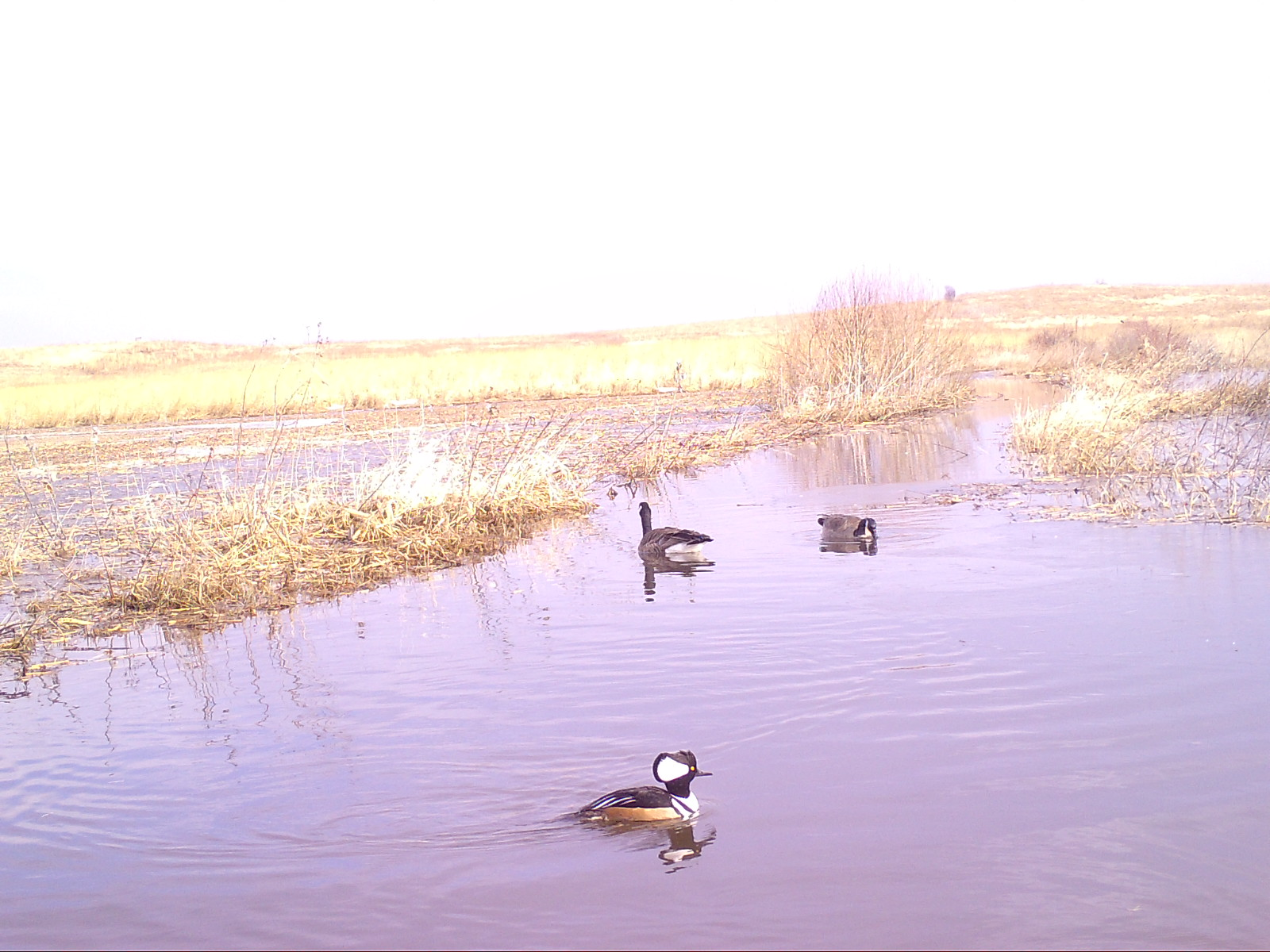
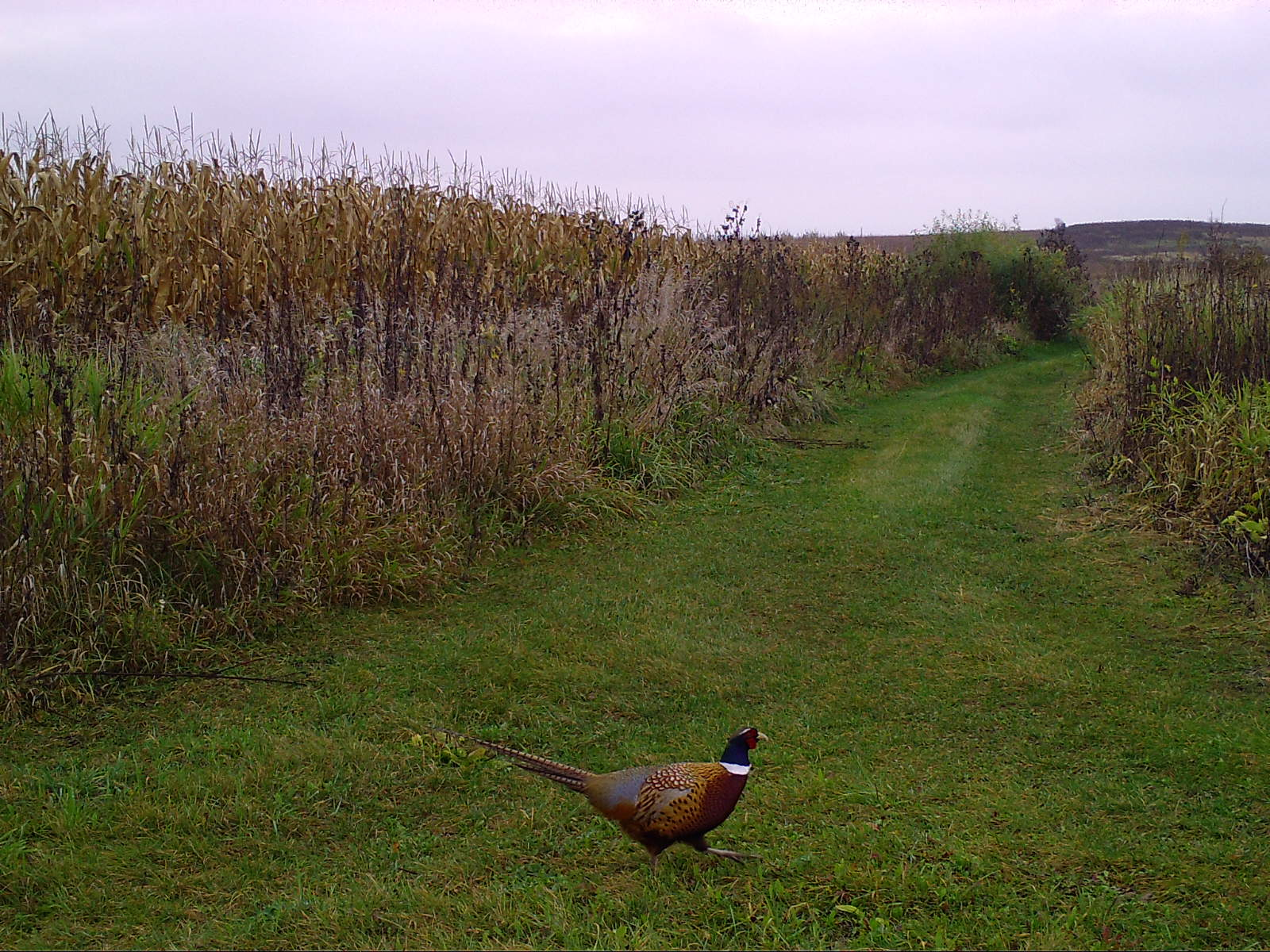
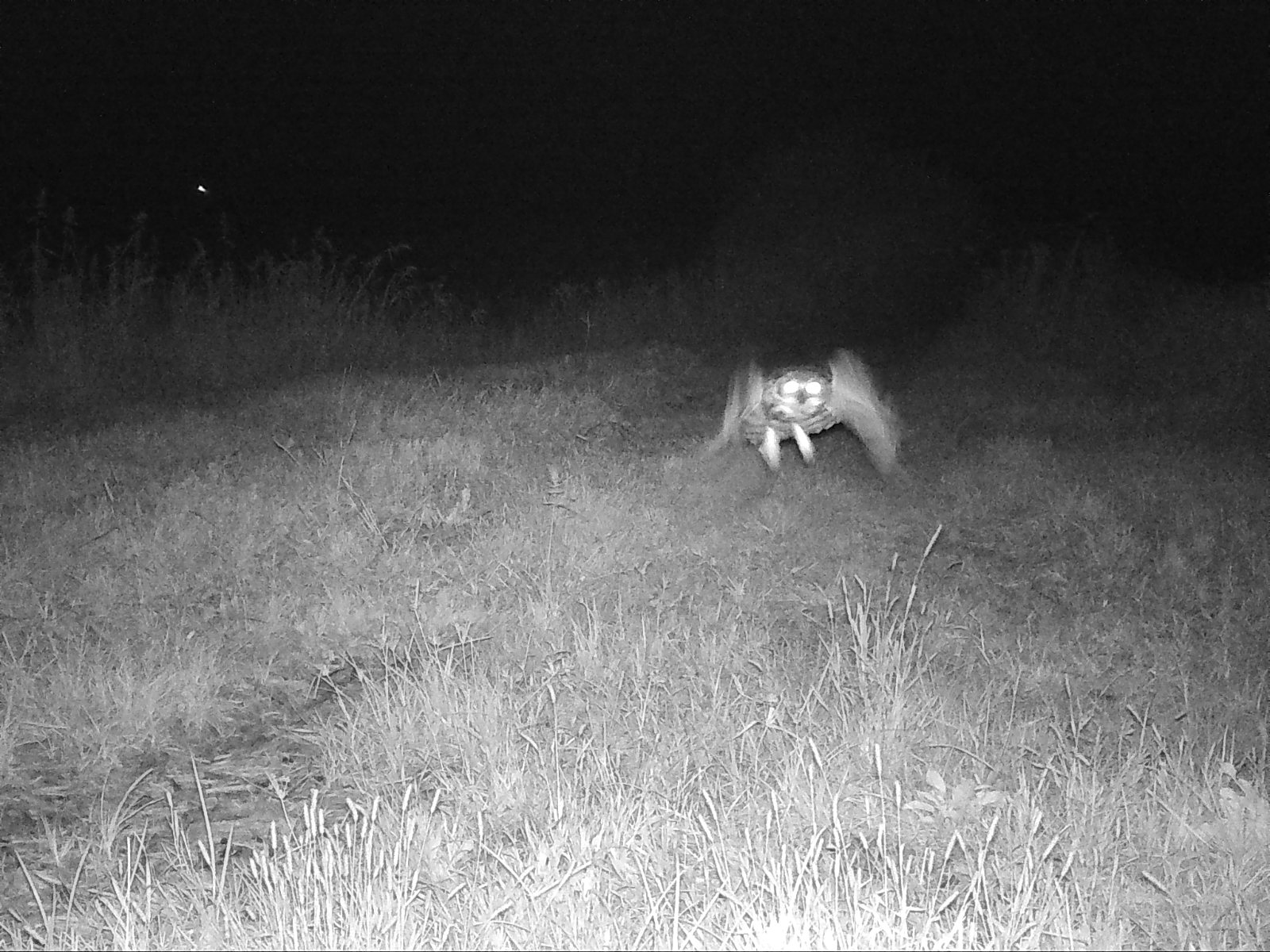
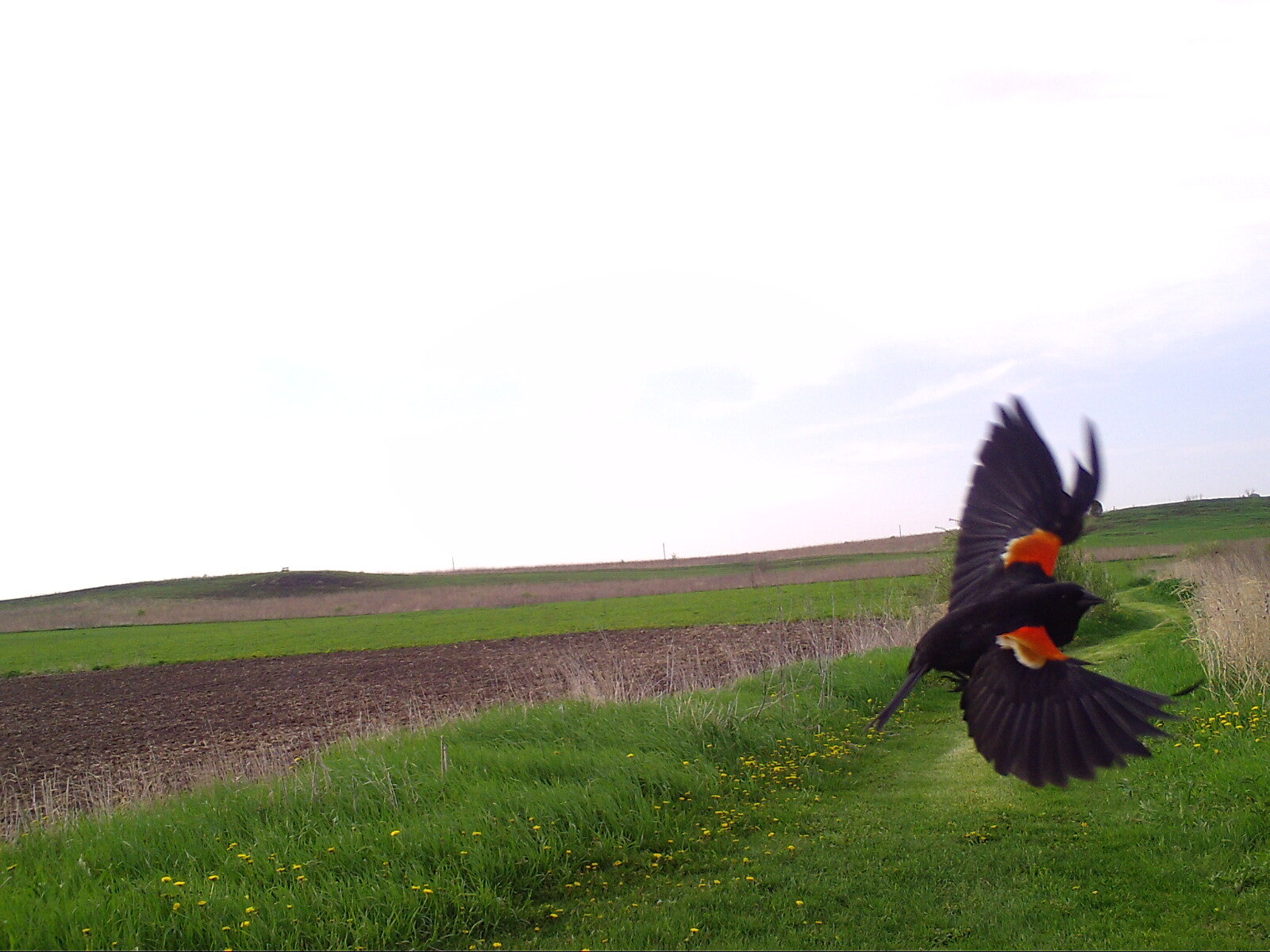
Species found are greater white-fronted goose, Canada goose*, tundra swan, wood duck, gadwall, American black duck, mallard, blue-winged teal, northern shoveler, green-winged teal, canvasback, redhead, ring-necked duck, hooded merganser, ring-necked pheasant *, sandhill crane*, killdeer, American bittern, great blue heron, northern harrier, Cooper’s hawk, red-tailed hawk, great horned owl, snowy owl, short-eared owl, belted kingfisher, American crow, tree swallow, American robin, red-winged blackbird and common grackle.  * Broods seen

Click the right and left arrows below to see more photos!

Project birds are divided into three groups - ring-necked pheasants (175 individual photos), sandhill cranes (80 photos) and other birds (over 700 photos).  Some birds are like people who like to have multiple images taken to make sure they have the perfect photo. The camera takes photos when ever there is motion including waves and vegetation blowing in the wind.  We have deleted thousands of “blank” photos. The most unusual bird seen was an American bittern sneaking past the camera last October.

Oh bittern, where are you?

Oh bittern, where are you?

The photos help to document changes in wildlife species and numbers, observe changes in habitats and the seasons, and also record changes from dry to water and snow depths.  

The high number of wetland bird species is the result of the high water last year.  Raptors are drawn to the treeless site hoping to use the camera post as a hunting perch.  

The Breeding Bird Atlas II is looking for volunteers to help classify over 50,000 bird photos on the Snapshot Wisconsin website that could provide atlas records.  Jim Otto is one of the 108 current volunteers. The site has a tutorial section but Jim would be willing to answer questions and provide tips if you would like to volunteer: jeotto@wisc.edu 

It will be interesting to see how many other species are added to the list.  Our guess is that we may reach 35 species but it may take a few years. Candidates to be added include wild turkeys, morning doves, American kestrels, and northern shrikes. 

Written by Mark and Sue Foote-Martin, Goose Pond Sanctuary resident managers, and Graham Steinhauer, land steward  goosep@madisonaudubon.org

Northern Shrike

Print Friendly and PDF

One of the most striking birds of winter resides on the shrubby grasslands and savannas of southern Wisconsin. In this habitat, you can find wild plum, hawthorn, black locust, or barbed wire. The common link is spikes, thorns, or barbs. In winter in Wisconsin, if you search these spiny spots, the unsettling link might be impaled microtine voles. The uninitiated might look to the sky, wondering if a hawk dropped its prey randomly onto a plum bush. The answer comes from the sky, though not from a raptor species dropping the vole. Instead, you are on the wintering range of the northern shrike, a passerine, or songbird, (the only passerine in Wisconsin to regularly eat vertebrates) which actively stuck the vole in its place. The purpose of this act is to consume prey efficiently over the course of the winter. At any point, a northern shrike will cache, or save, up to seven prey items.

An impaled vole is cached for a northern shrike’s next meal. Photo by Drew Harry

An impaled vole is cached for a northern shrike’s next meal. Photo by Drew Harry

Impaled voles, mice, and other small mammals are common indicators that you are on shrike territory, which can range from 500-1,000 acres over winter. Another interesting prey item are species of its own order—songbirds! Shrikes will consume birds like horned larks, dark-eyed juncos, house sparrows, American robins, red-winged blackbirds, pine grosbeaks, and red crossbills. Many of these birds are much bigger or quicker than the shrike, and thus shrikes will take other birds in surprise attacks. In a twisted move, shrikes will even mimic the calls of other songbirds to lure them into area where they ambush an unsuspecting sparrow.

In February, I often start getting concerned about the house sparrows looming around bluebird boxes around my house, although this year they have been noticeably absent. The reason might be a shrike that I’ve spotted a few times around the house. Shrikes typically sit for 1-2 minutes on the tops of trees, perched, and waiting to strike. A week ago, I was able to get some decent pictures through my window of an immature northern shrike as it moved from bur oak tree to pear tree and again back to the bur oak trees scattered about the yard; each time sitting for 1-2 minutes and allowing me to capture a few shots.

A northern shrike is spotted at the top of this oak tree at Faville Grove Sanctuary. Photo by Drew Harry

A northern shrike is spotted at the top of this oak tree at Faville Grove Sanctuary. Photo by Drew Harry

A northern shrike scouts the landscape to make its next move. Photo by Drew Harry

A northern shrike scouts the landscape to make its next move. Photo by Drew Harry

A northern shrike sits perched on the tip-top of a tree, giving nearby humans a minute to get a good look. Photo by Drew Harry

A northern shrike sits perched on the tip-top of a tree, giving nearby humans a minute to get a good look. Photo by Drew Harry

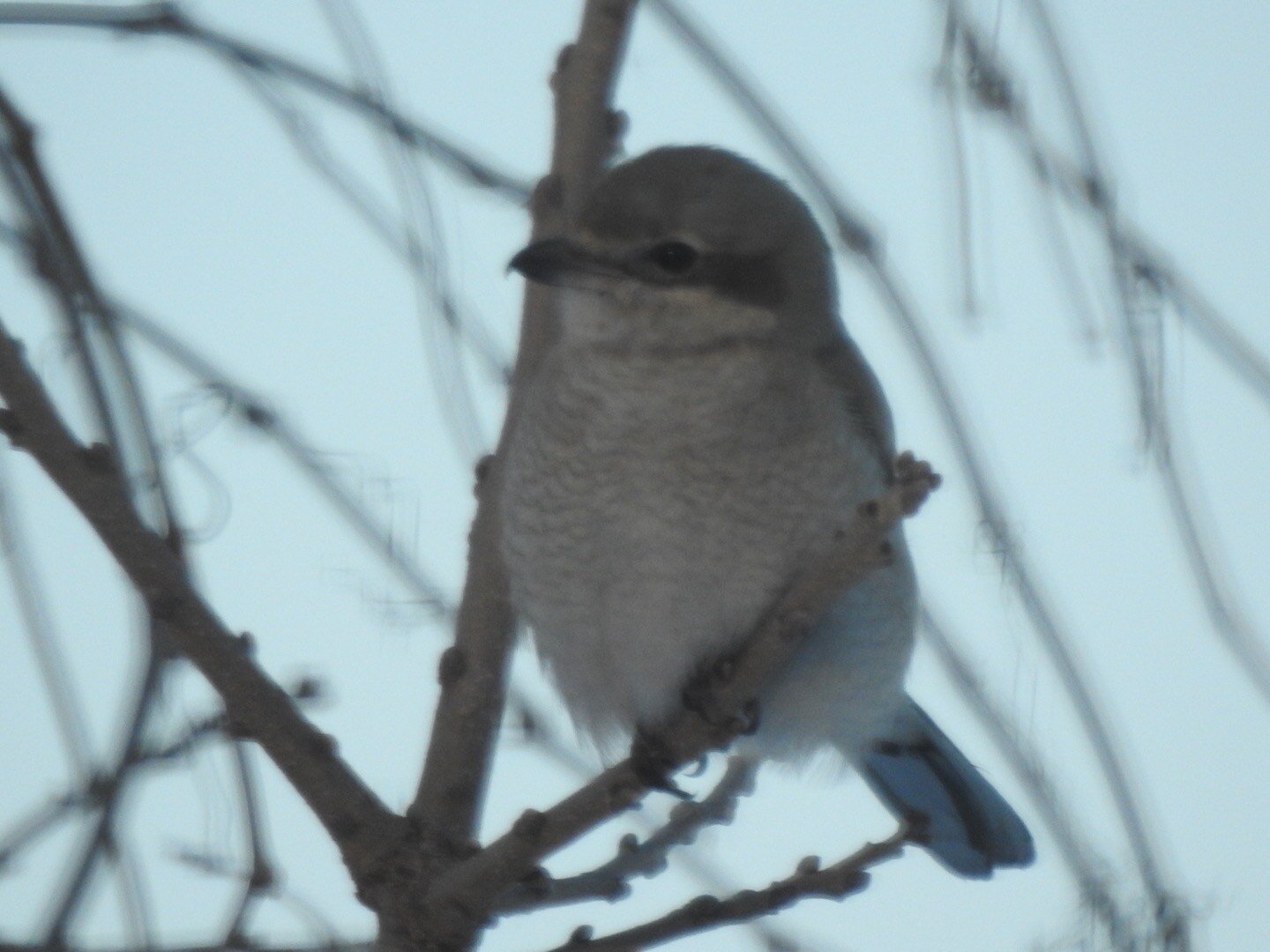
The immature shrike shows gray barring on its chest, a white eye-ring, and like adult shrikes has a light underside with a blue-gray top and a narrow black mask across its eye. The hooked bill is also diagnostic.

Barring, eye ring, and mask are all visible in this shot of a northern shrike. Photo by Drew Harry

Barring, eye ring, and mask are all visible in this shot of a northern shrike. Photo by Drew Harry

For me, the most fascinating part about the northern shrike is its winter diet. While impaled small mammals steal the show, over 60% of an individual bird’s winter diet is composed of arthropods. A study in Idaho analyzed the regurgitated pellets of northern shrikes and found an average of 2.8 prey items per pellet. Overall, 33 species were identified in pellets for a wide and diverse sampling of food. To follow a shrike in winter is to understand the surprising breadth of prey items active through winter.

You might ask, aren’t arthropods dormant during winter? For the most part, yes. However, many species will stay active, and on slightly warmer days the south-facing slopes, rock outcrops, or other exposed areas can heat more quickly than other areas and cause some invertebrates to become active. In southwestern Idaho, rimrock areas are preferred by shrikes presumably due to the higher arthropod activity on these exposed rock areas.

Faville Grove has exposed rock—1.8 billion year old quartzite—perhaps a source of arthropods for the local shrike? Each winter we often see a shrike in the western part of the Sanctuary, hanging out in the tops of tamarack trees in the Diedrich-Alexander Wildlife Area along North Shore Road. You might find a shrike anywhere within Faville Grove Sanctuary, but your best bet is to keep looking at the tops of trees, or look for indirect evidence on spiny trees and bushes.

Written by Drew Harry, Faville Grove Sanctuary land steward

Cover photo by Eric Ellingson

Two Decades of Christmas Bird Counts at Goose Pond Sanctuary

For the past two decades I have had the pleasure of surveying Goose Pond Sanctuary and surrounding area as part of the Poynette Christmas Bird Count (CBC). Our group size and participants vary each year (we enjoy and are grateful for everyone’s involvement!) but Jim Hess and Bill Walters have been part of the team for the past 14 years. That’s pretty good!

Canada Warbler

Print Friendly and PDF

Adorned with a black necklace of spots on its chest, this warbler resembles the magnolia for its intricate jewelry. A curious white eye-ring resembles a Connecticut warbler without the temperamental dark grey head. Cheeky black markings resemble a Kentucky warbler or even a hooded warbler. Together these markings, with the addition of a wondrous blue-gray back, provide evidence of a Canada warbler.

Canada warbler peeks out behind a tree. Photo by Drew Harry

Canada warbler peeks out behind a tree. Photo by Drew Harry

This bird mostly migrates through southern Wisconsin, preferring the boreal forest elements of northern Wisconsin. Its continental range extends well into Canada and includes the northern tier of most Midwestern and eastern states, extending down into the Appalachian range. These warblers breed preferentially in wet areas like spruce and tamarack swamps, and are thus a difficult bird to monitor and document breeding. The Canada warbler’s range does reach into southern Wisconsin; in areas with extensive forest cover like the Baraboo Hills and areas with large undisturbed blocks of tamarack swamp like Cedarburg Bog, the Canada warbler can be a surprising summer find.

As a member of the boreal forest birds, the Canada warbler may be especially susceptible to a warming climate. According to Audubon’s climate scenarios, under warming of three degrees Celsius, the Canada warbler will lose 95% of its current range. Range expansion north could result in a 63% gain in habitat, but overall a net loss of a huge amount of habitat and birds is possible.  Boreal forest birds are especially susceptible to a changing climate because they are at the northern reaches of forested cover in North America. If the climate of these forests becomes uninhabitable, there is a lack of forest cover to the north for them to inhabit. Of the 48 boreal forest species identified by Audubon, 47 face moderate to high vulnerability.

Photo by John Sutton

Photo by John Sutton

While the long-term prognosis may be grim, Canada warblers have seen small population increases in Wisconsin over the last few decades, according to breeding bird survey data. Finding suitable habitat in southern tamarack swamps, the birds will build a nest on or near the ground in dense shrub thickets, producing 2-6 eggs.

Fall migration begins in August and stretches into September, and the birds will make a long flight to the Colombian Andes, where over 50% of the over-wintering population resides. On these slopes, the birds prefer elevation between 3,200 and 6,000 feet and also prefer mature and large forest blocks. Research from Laura Céspedes and Nicholas Bayly indicates that 14% of overwintering range in the Colombian Andes is currently protected, and these unprotected areas could be prime for conservation and restoration.

Your best bet for finding Canada warbler at Faville Grove Sanctuary is during spring of fall migration. In the middle of May, areas along the Crawfish River may be an excellent spot for finding mixed flocks of warblers, including the Canada. The foraging behavior of Canada warblers is unique, and you can find the birds low in the understory, moving quickly, often with its head cocked.

Written by Drew Harry, Faville Grove Sanctuary land steward