

Mickenzee smitten in front of Lake Superior (photo courtesy of Mickenzee Okon/SoWBA staff)
In this episode we switch things up a bit. Instead of answering kids questions, I'm asking you some questions! Let's discuss, how do we define nature and how do humans fit into it?
Subscribe to QuACK on Spotify, iHeart Radio, Apple Podcasts, or your favorite podcast app!
Transcription
Hey and welcome to Questions Asked by Curious Kids or (QuACK) a podcast made by Southern Wisconsin Bird Alliance. My name is Mickenzee. I’m an educator and I’ll be the host for this series. This episode is going to be a bit different. Instead of taking kids’ questions about nature, I’m going to be asking you the listener questions in a new format I’m going to call, Musing with Mickenzee. Musing is the act of thinking really deeply or abstractly about something and the goal here is for you to walk away from this episode thinking about the world in a different way and to challenge yourself to think outside the norm, or think outside of what you’ve been taught.
The thing we’re going to be thinking about is nature…. What is it? And how do humans fit in?
When you think about nature, what do you picture? I picture trees, mountains, rivers, birds, bugs, maybe cool rocks. All types of stuff that I would find outside.
To you, are animals nature? Are plants nature? Are rocks nature? These ones I think most people would agree and say yes, that’s nature. Why do you believe these things are nature? Come up with your own definition. So maybe you want to pause right now and write something down, or maybe you just want to reflect on it quietly. What, to you, defines nature?
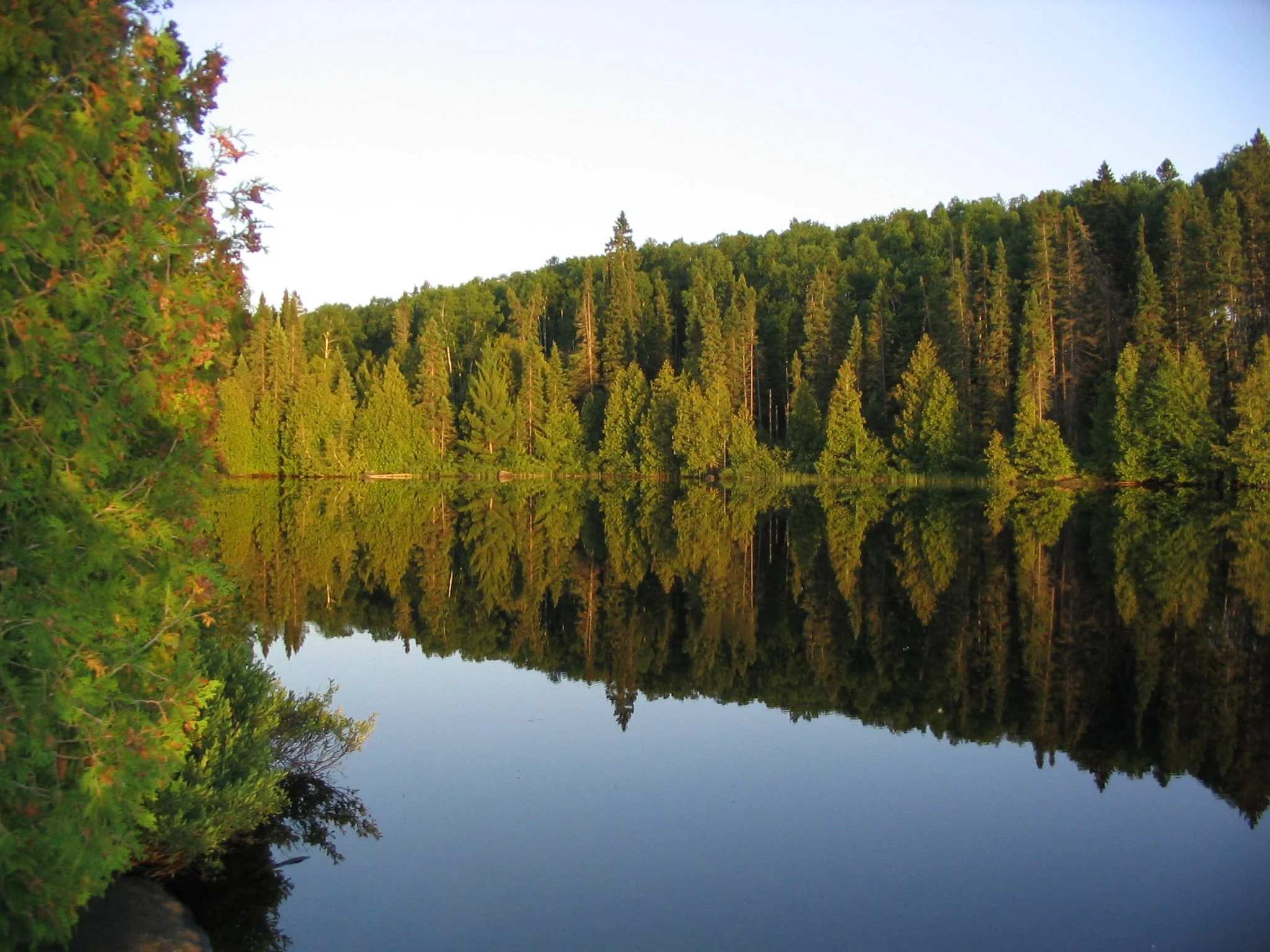
Boundary Waters Bay (photo by Mike Sweet/USFWS)
Ok, so my follow up to that… are the things that animals make part of nature? So, if you believe that animals are nature, are the things that they create nature too? Bees make honey, spiders make silk, birds build nests, beavers build dams… are all of those creations nature too? Come up with an answer for yourself. Most of the people I talk to would say yes, those things are nature.
My next question is, are humans animals? That one I think puts people on the fence a little bit. Some people don’t feel like we’re animals because we behave so differently from other animals; we have such a big impact on the world. But with many of the kids I talk to agreed that humans are animals. Humans are mammals, we evolved from a chimp-like species, we are animals.
So maybe you’re seeing where I’m headed next. Are the things that humans make nature? You might be thinking… well that depends on what it is. Let’s take a simple example, a stone wheel. Just a circle carved from a rock, is that nature? It’s no more different than a woodpecker carving a hole in a tree. So I would lean towards yes, that a stone wheel is nature.
What about metal? Is that nature? Like if I picture a metal bar that holds up a building, is that nature. Well in my gut I would say no, that’s not nature. But if I think about it further, metals and ores exist on their own, without humans having anything involved, they just exist here on planet Earth. Humans can melt them down and use them to build with. Is that nature? Taking something from the Earth, changing it by melting it, and then creating something new.
What about glass? That’s a similar story. Glass is created from melting sand. Is that nature?
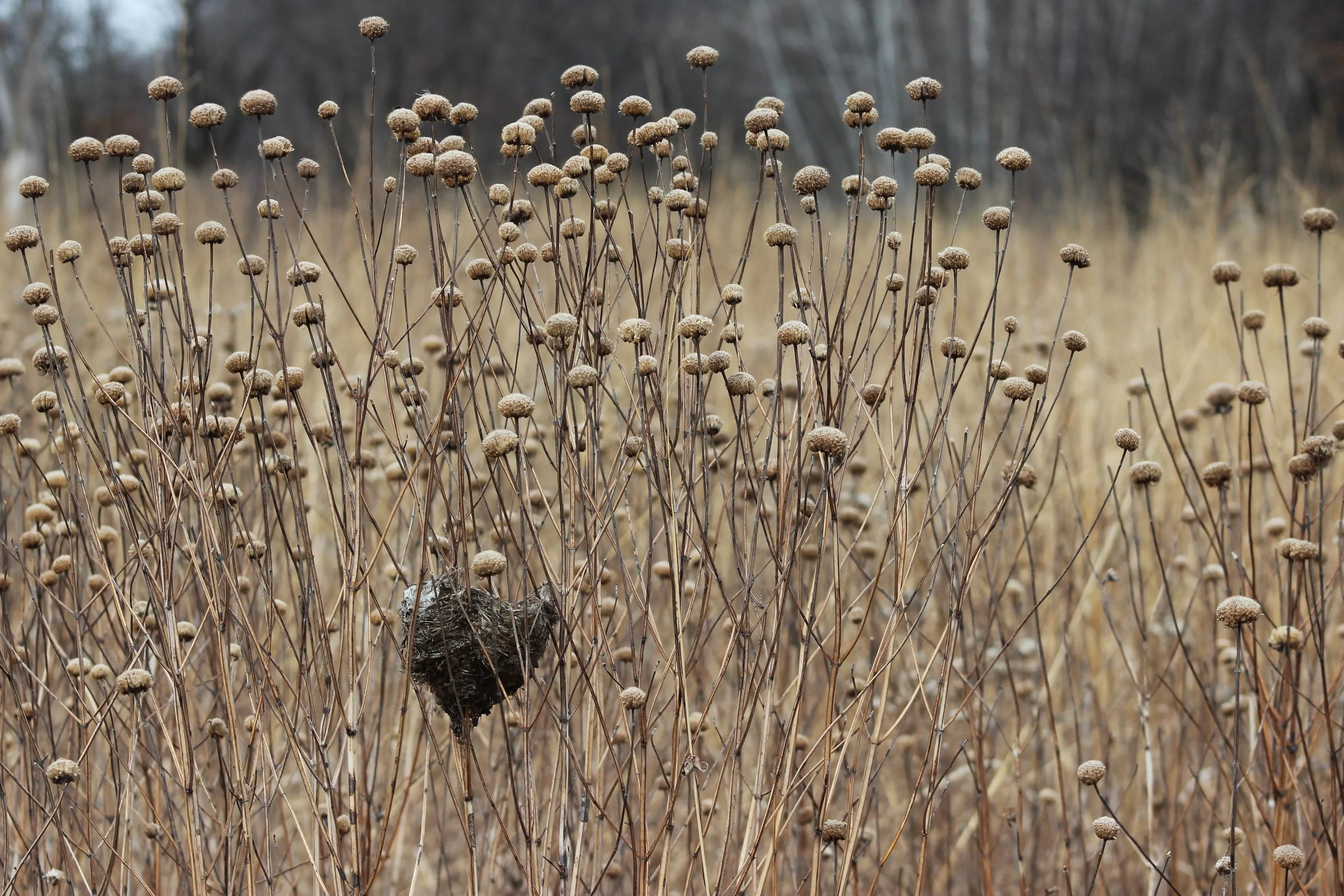
Bird Nest in Wild Bergamot (photo by Courtney Celley/ USFWS)
Ok and here’s the hardest one, at least I feel I have the most difficult time thinking about. What about plastic? Is plastic nature? Plastic comes from breaking down fossil fuels. Fossil fuels are decomposed remains of ancient plants, algae, and microorganisms. When I say it like that, does that sound like nature?
My point here is that everything has to come from somewhere. And usually when you trace it back, it comes from nature. Where do we draw the line between what is nature and what is not? Can we even draw a line?
Ok, so when I was talking with some 4th graders from Lincoln Elementary school here in Madison, they said “Nature is anything that you can find on planet earth.” We thought “Ok, this definition has got to be it. This definition has to include everything.” To that I asked, What about rocks from the moon? Are those nature? What about minerals from Mars? Is that nature? Most kids said “Yeah, those things are nature too.” So we had to alter our definition again, and expand it to include things that weren’t on Earth as well.
By the end of this discussion, the best answer we could come up with is that everything is nature, but everything also has an impact. Those impacts can be positive or negative and as humans we should try to have our impact be more positive than negative.
Ok, so now I wanna know, what is your definition? And do you have any big, huge musing type questions you wanna discuss? I love diving deep and thinking deeply and thank you for listening along in this new segment.
If you are interested in learning more about nature related please head to our website swibirds.org and click on over to the education tab our Free Lessons Games and Activities And if you’re looking to get outdoors check out the field trip calendar under the community education tab! You can sign up for things like [related field trips or citizen science programs]
If you have a big nature question that you would like to have answered, please have a grown up or teacher submit your question to info@swibirds.org with the title Questions for QuACK Make sure to include your grade and school you attend so I can give you a shout out!
Thanks for tuning in and I hope you join us next time on QuACK!
Check out SoWBA’s free lessons, games, and activities!
Get out and explore nature with us!
Make a donation to Southern Wisconsin Bird Alliance
Audio Editing and Transcription by Mickenzee Okon
Logo design by Carolyn Byers and Kaitlin Svabek
Music: “The Forest and the Trees” by Kevin MacLeod
