

What do Ruby-throated Hummingbirds, Cedar Waxwings, Tennessee Warblers, and Dark-eyed Juncos have in common?
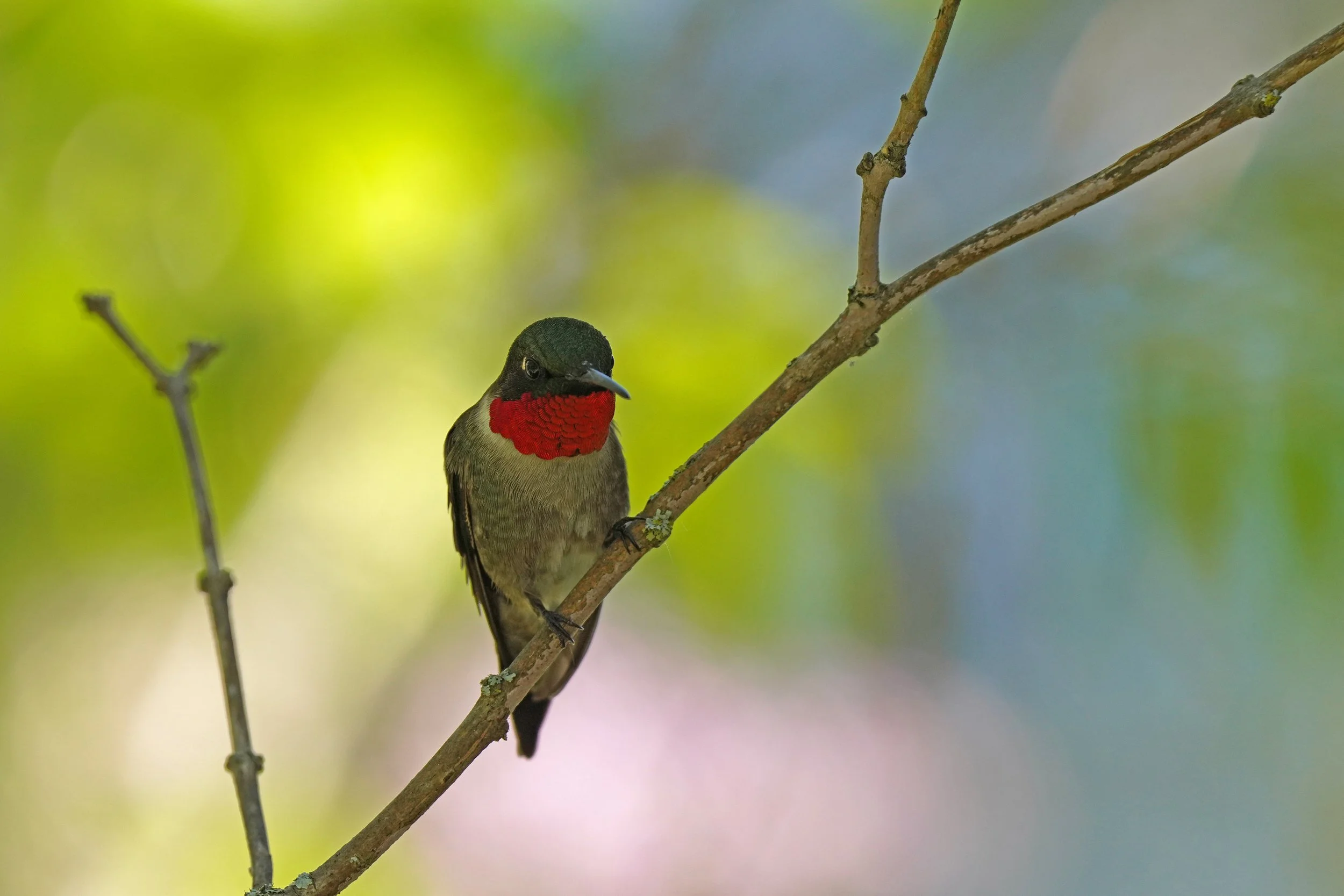
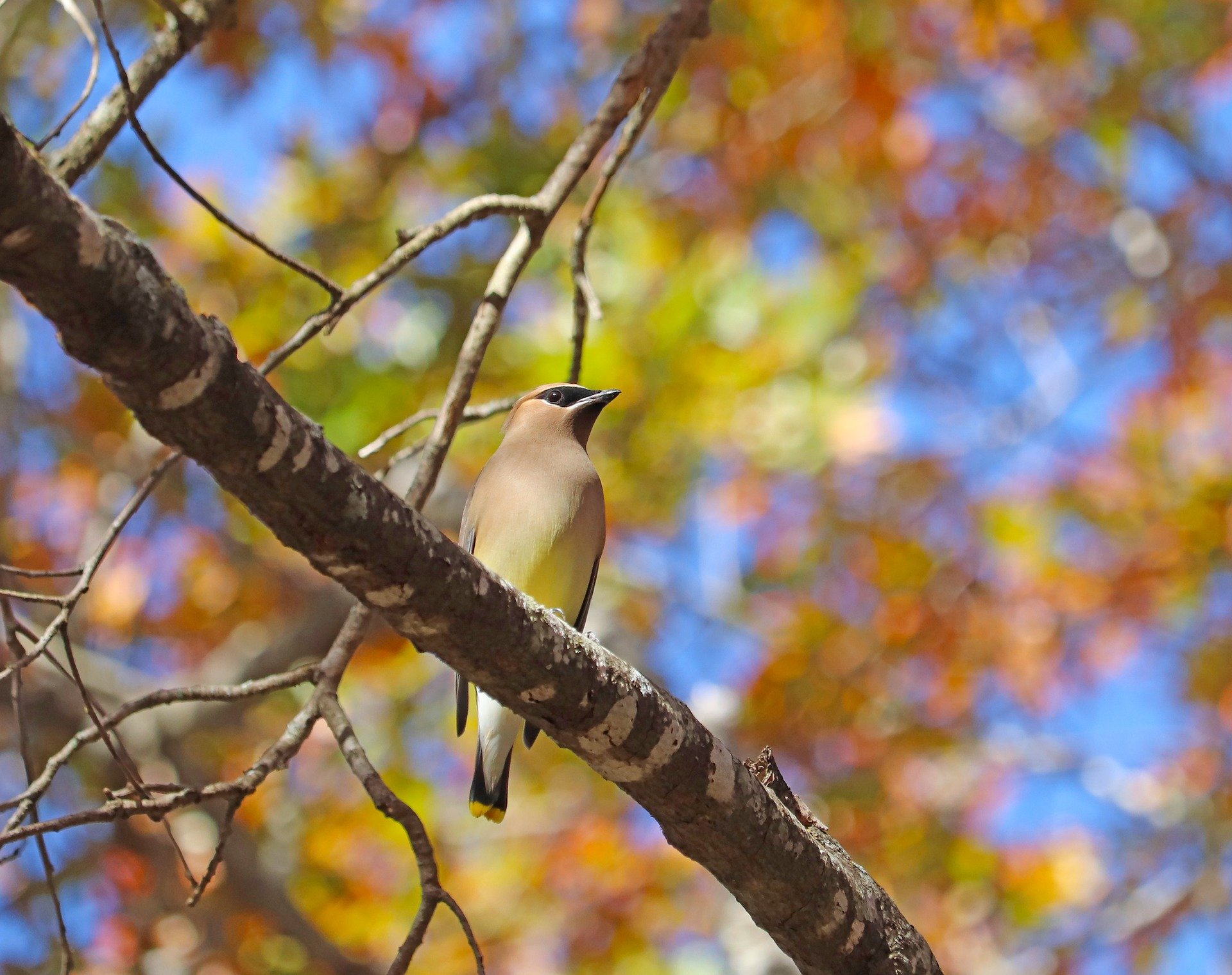
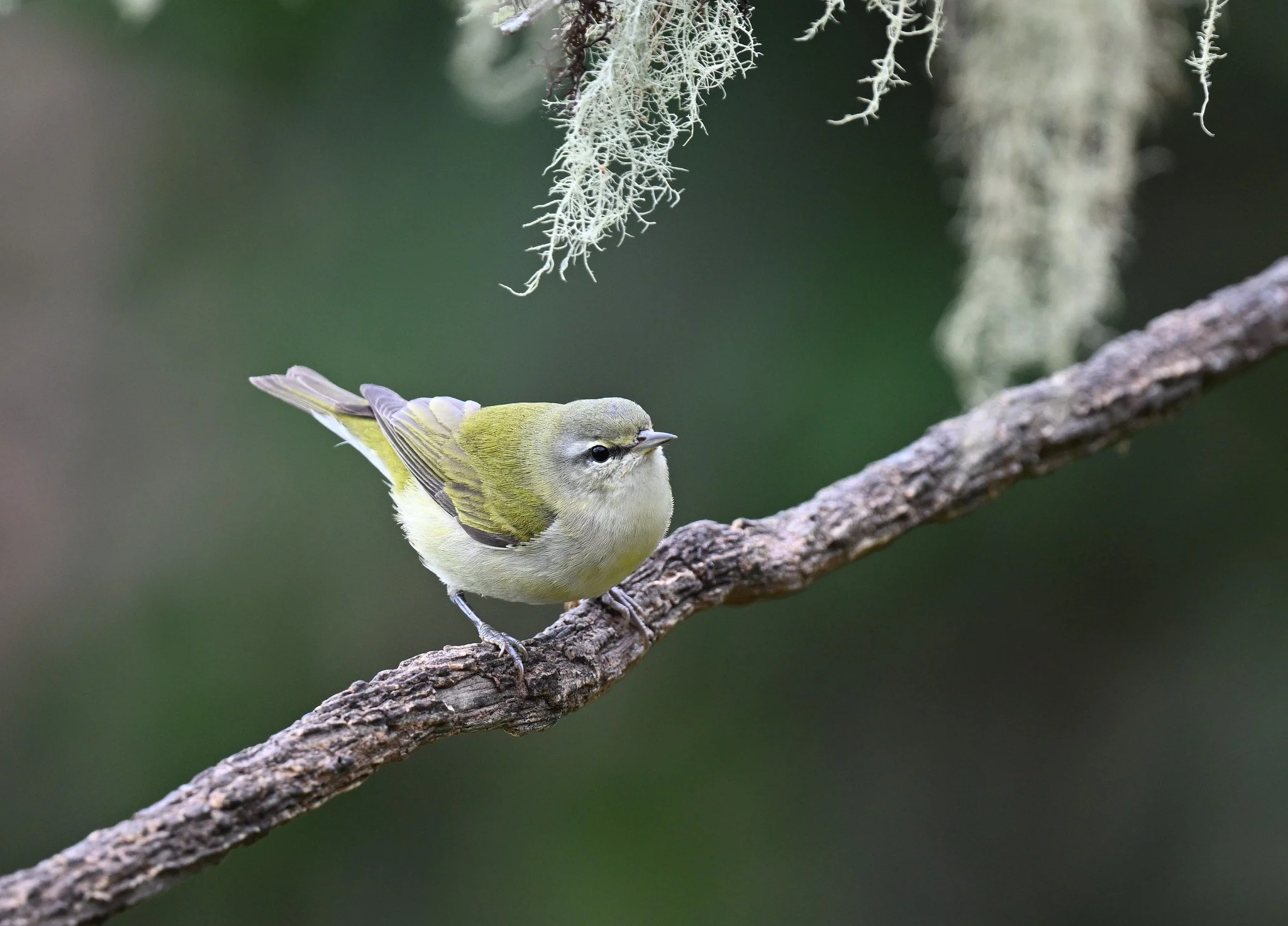
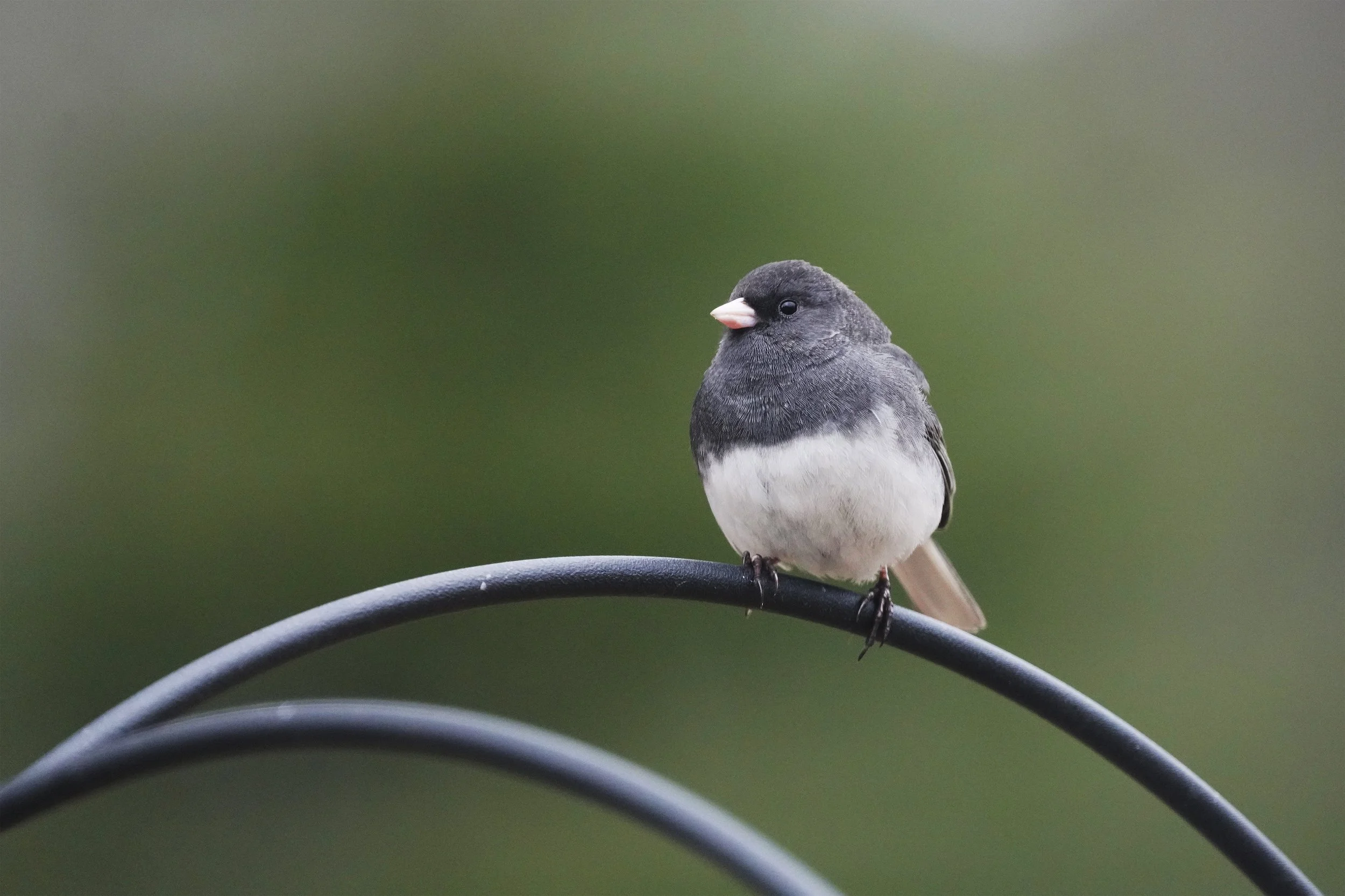
Besides being some of our favorite birds? Besides being gorgeous, long-distance migrants who herald the change of seasons and brighten our yards and neighborhoods?
They’re all highly susceptible to bird-window collisions, and are among the top 10 bird species that fatally collide with glass in the Madison area, according to our data.
We are working to change that.
The role of Bird Collision Corps in protecting birds
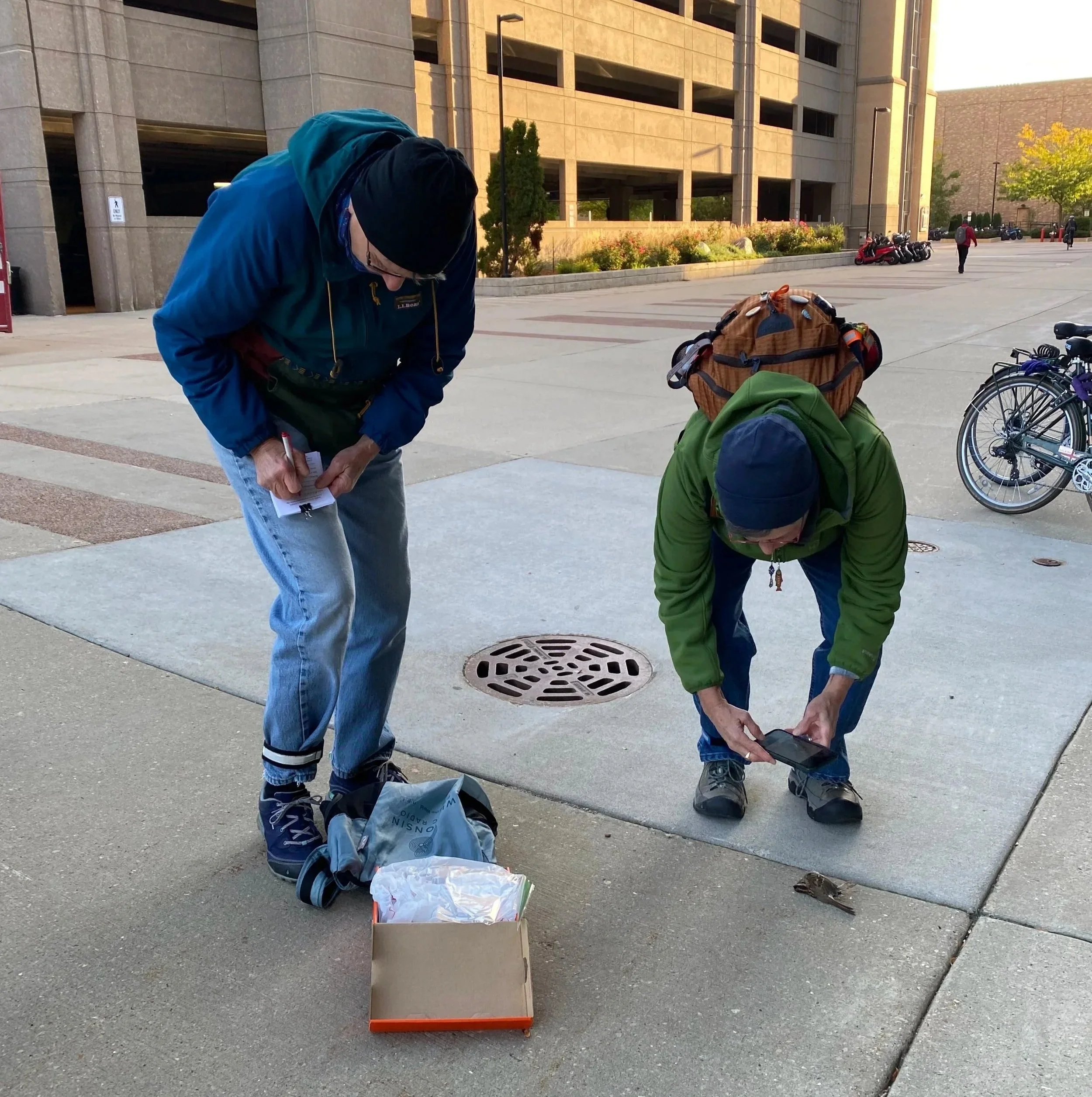
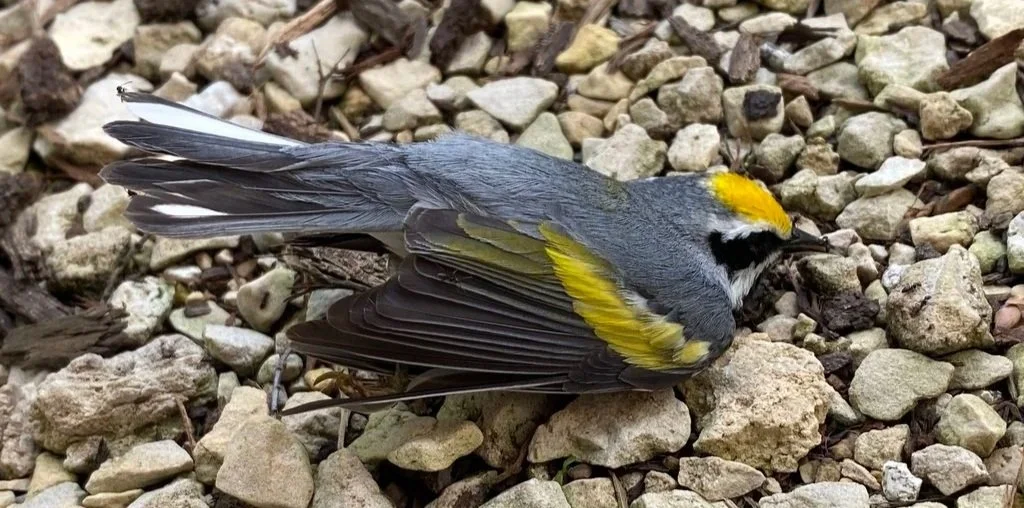
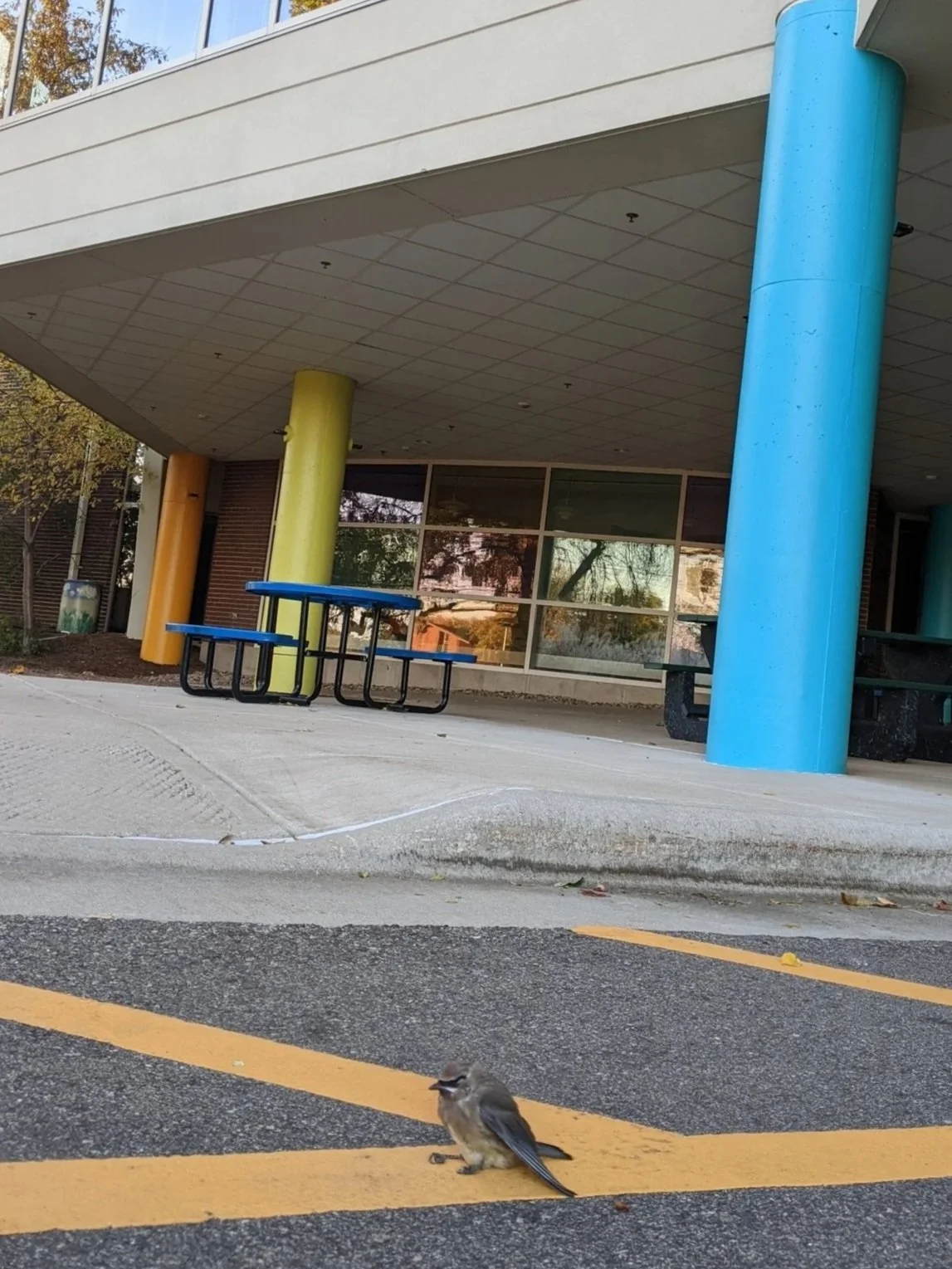
Slowly but surely, Madison is becoming a little safer for birds, thanks to the incredible volunteers of the Bird Collision Corps (BCC), coordinated by Southern Wisconsin Bird Alliance. This group of community scientists get out of bed early each spring and fall, in all types of weather, and search for birds that have hit windows. They document what species they find, where the collisions happen, and any other details they can track. At the end of the survey period, we collate the data and share it back with the site partners, along with recommendations for mitigation, if necessary.
This spring, the Bird Collision Corps survey period ran from April 13 to May 31. Prior to that, each volunteer picked a site and a day of the week they wanted to monitor. They got training and survey supplies. Then when the season started, each week they spent an average of 36 minutes (sometimes more, sometimes less) searching their building(s) for birds that hit windows.
Most often, if they find birds, the birds are laying still on the ground under a window. A fatal window collision.
On luckier occasions, BCC volunteers will find a bird that is stunned or injured from a collision. If the volunteer is able to catch the bird, they will put it in a bird-safe cotton bag or a shoebox and bring it to the Dane County Humane Society’s Wildlife Center for rehabilitation and release.
Sometimes, volunteers find a window smear, indicating a bird hit the window but flew away. Once in a while, they’ll find a bird that is stuck in motion, meaning it’s in continuous flight and trying to escape an enclosed, glassy area but can’t figure out how to get out. Those birds often die of exhaustion.
So why do we do all of this depressing work?
It’s definitely not glamorous, nor is it fun, exactly.
We do this because over a BILLION birds die every year in the US alone after hitting windows, making window collisions one of the biggest conservation problems for birds (learn why and how you can help at home!). Many of the birds that hit windows are long-distance migrants—birds that have flown hundreds or thousands of miles to get to where we are, dodging buildings and storms all along the way.
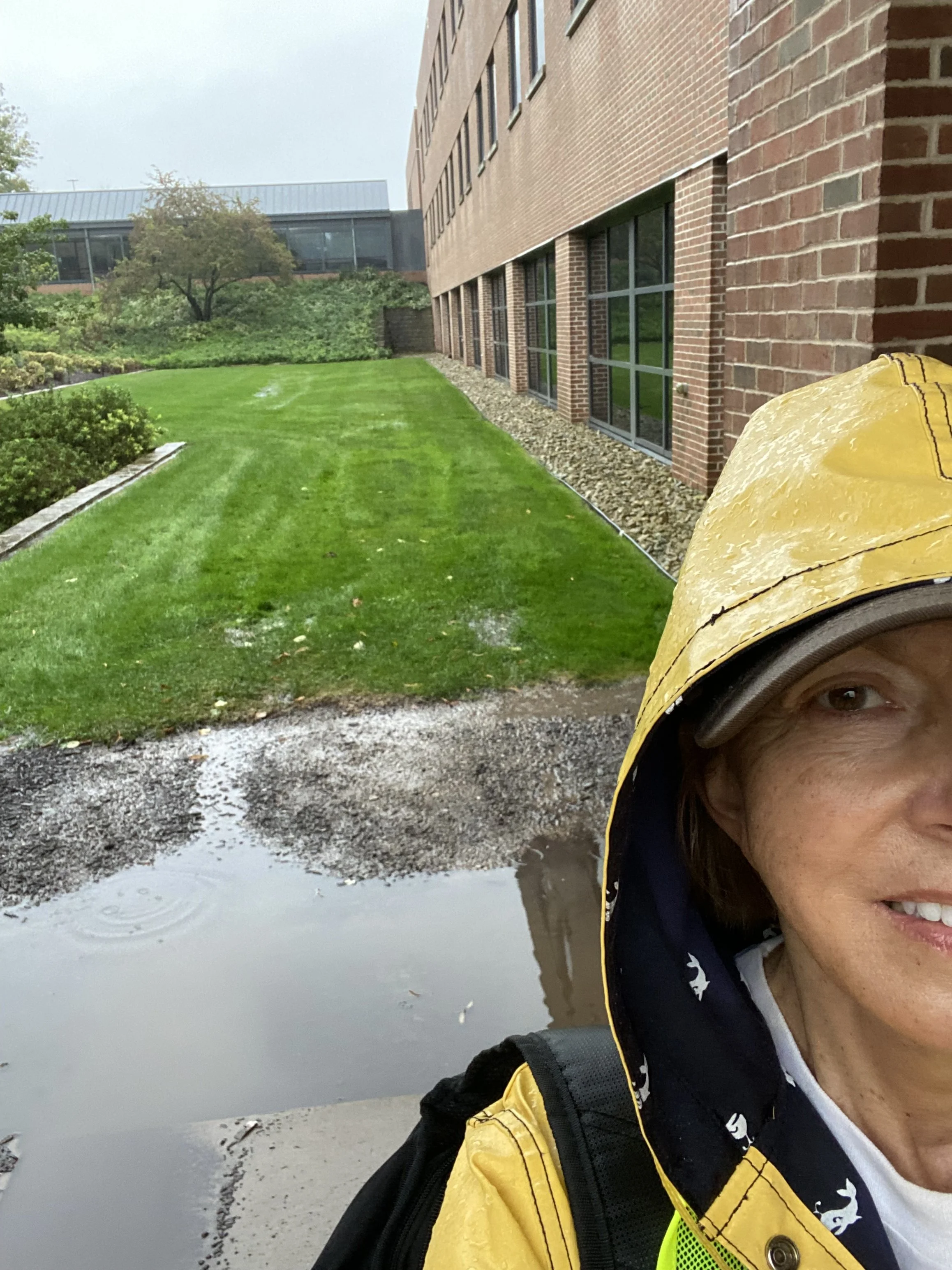
Volunteers conduct their surveys in all conditions (photo: Ann Mader, BCC volunteer).
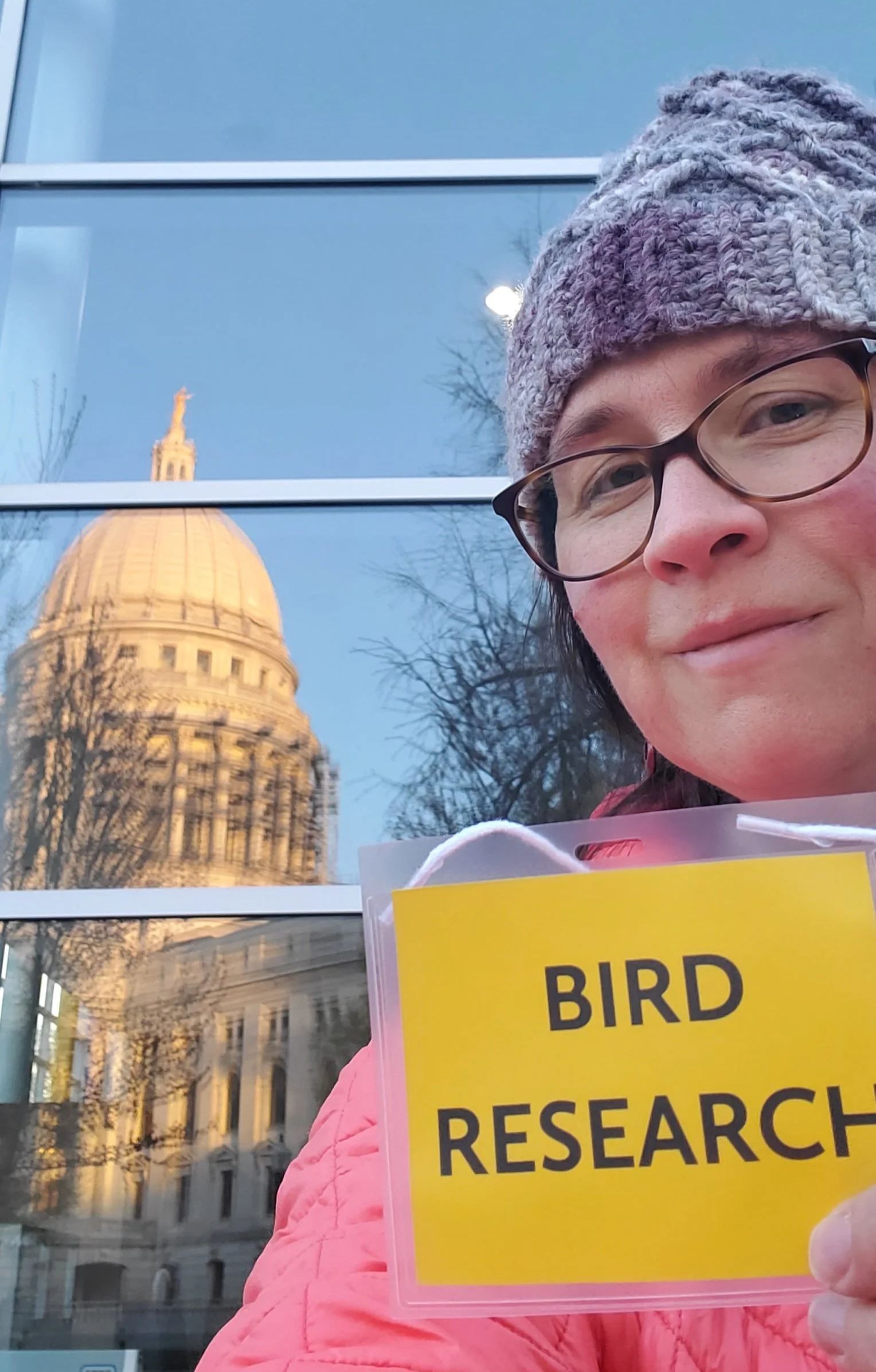
Volunteers survey buildings throughout the Madison area (photo: Jill Ness, BCC volunteer).
We also do this because we can change how dangerous our buildings are. Birds don’t have to die by the millions and billions because they run into windows—we can fix this!
For some birds, southern Wisconsin is their destination. For others, it’s just a stop along the way to nesting grounds or wintering grounds. Either way, the dangers that buildings pose are a serious setback to bird conservation, killing breeding birds and first-year birds who would have otherwise added to the species population.
The results of the spring survey period
This spring, we partnered with 12 site owners—American Family Insurance, Dane County Humane Society, Door Creek Park, Henry Vilas Zoo, Madison College (Truax Campus), Monona Public Library, Madison Parks Office, University of Wisconsin (UW) Madison, UW–Arboretum, University Research Park, Verona Public Library, and Warner Park—to host BCC volunteers to conduct surveys.
A total of 124 volunteers surveyed a total of 52 buildings, putting in a whopping 390 hours of surveying during those six weeks. Wow! That represents $14,105 in donated volunteer time. Some volunteers are college students, some retirees, and lots of folks in between. All different ages and professions, all with the same common desire: help birds migrate safely.
Volunteers documented 242 observations of bird-window collisions. Of those, 82% were birds that were dead on arrival; 8% injured (70% of those were rehabilitated by the Wildlife Center and released!); 10% were window smears; and 1% were instances of a bird stuck in a glassy area where it couldn’t find a way out.
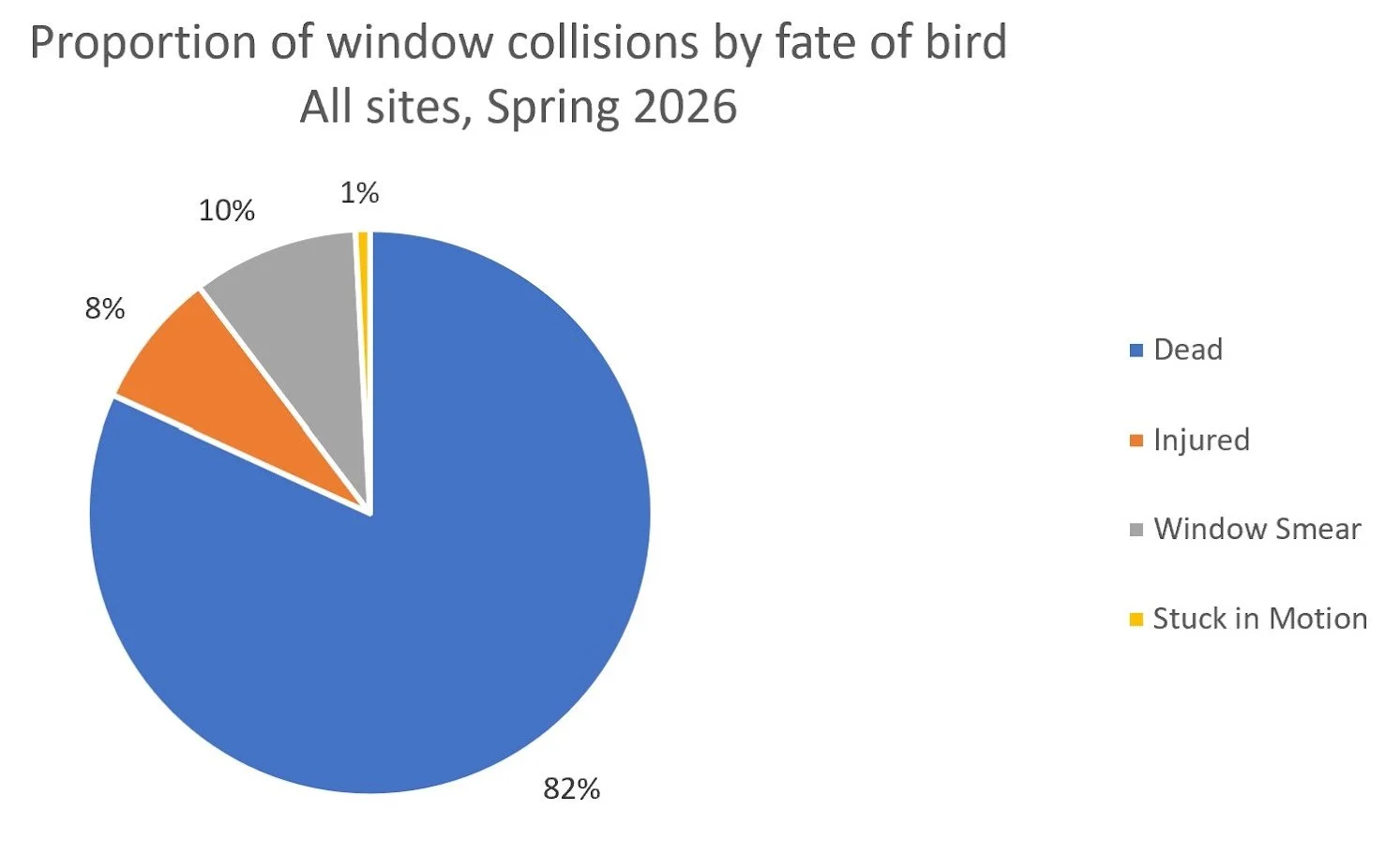
Proportion of window collisions by fate of bird (graph: Brenna Marsicek/SoWBA).
The top species that were affected this spring were White-throated Sparrows (17), American Robins (15), House Finches (14), Dark-eyed Juncos (12) Common Yellowthroats (11), and Tennessee Warblers (10).
We are careful to build positive, productive relationships with site hosts, so I won’t go into the details of where the collisions happened. But rest assured, all site hosts have received specific data and summaries of the findings, along with recommendations for preventing collisions and offers of help!
Change is in the works
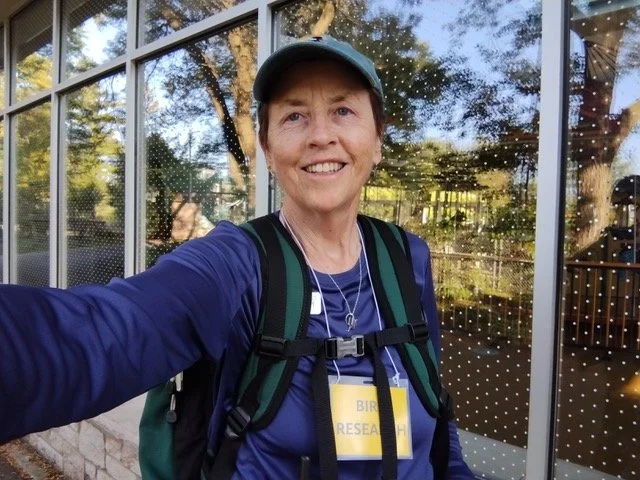
Windows treated with dots at Henry Vilas Zoo (photo: Terri Bleck, BCC volunteer).
When BCC volunteers and staff find a problem area on a building, we often recommend some type of window treatment that can retroactively make the glass less reflective, less transparent, and less dangerous. They’re often in the form of semi-permanent stickers that are white dots or circles or translucent dots. The treatments have been reviewed by American Bird Conservancy and proven to be highly effective. Each site host pays for their own window treatment, an incredible nod to their commitment to bird conservation!
So far, the following window treatments have been installed a result of Bird Collision Corps surveys and data:
University of Wisconsin–Madison
Ogg Residence Hall, installed June 2020: 90% reduction in collisions
Dejope Residence Hall north dining hall windows, installed August 2024: 88% reduction in collisions
Holy Wisdom Monastery
Retreat House vestibule and south-facing guest room windows, installed April 2023: 100% reduction in collisions
American Family Insurance
Skywalk 6, installed June 2023: 94% reduction in collisions
Monona Public Library
Northside crabapple removal in 2025: 100% reduction in collisions that fall
Verona Public Library
North prow windows, installed May 2025: 100% reduction in collisions
Henry Vilas Zoo
Carousel building, installed June 2025: still being analyzed due to unusual application method
Cape Porcupine Exhibit, installed Fall 2025: 100% reduction in collisions
Animal Health Center, installed May 2026: post-treatment analysis pending
Dane County Humane Society:
Training Center, installed July 2025 with no pre-treatment data
Remainder of window treatments on buildings installed Fall 2025: post-treatment analysis pending
Madison College
Four treatments installed May 2026: post-treatment analysis pending
Two more treatments, one at Henry Vilas Zoo and another at Door Creek Park, are coming later this summer. Notably, the Madison Bird-Safe Glass Ordinance was put into place in August 2020 using evidence collected by Bird Collision Corps volunteers and expertise from SoWBA staff and partners. A matching ordinance was passed in Middleton in February 2024.
The next challenge to tackle
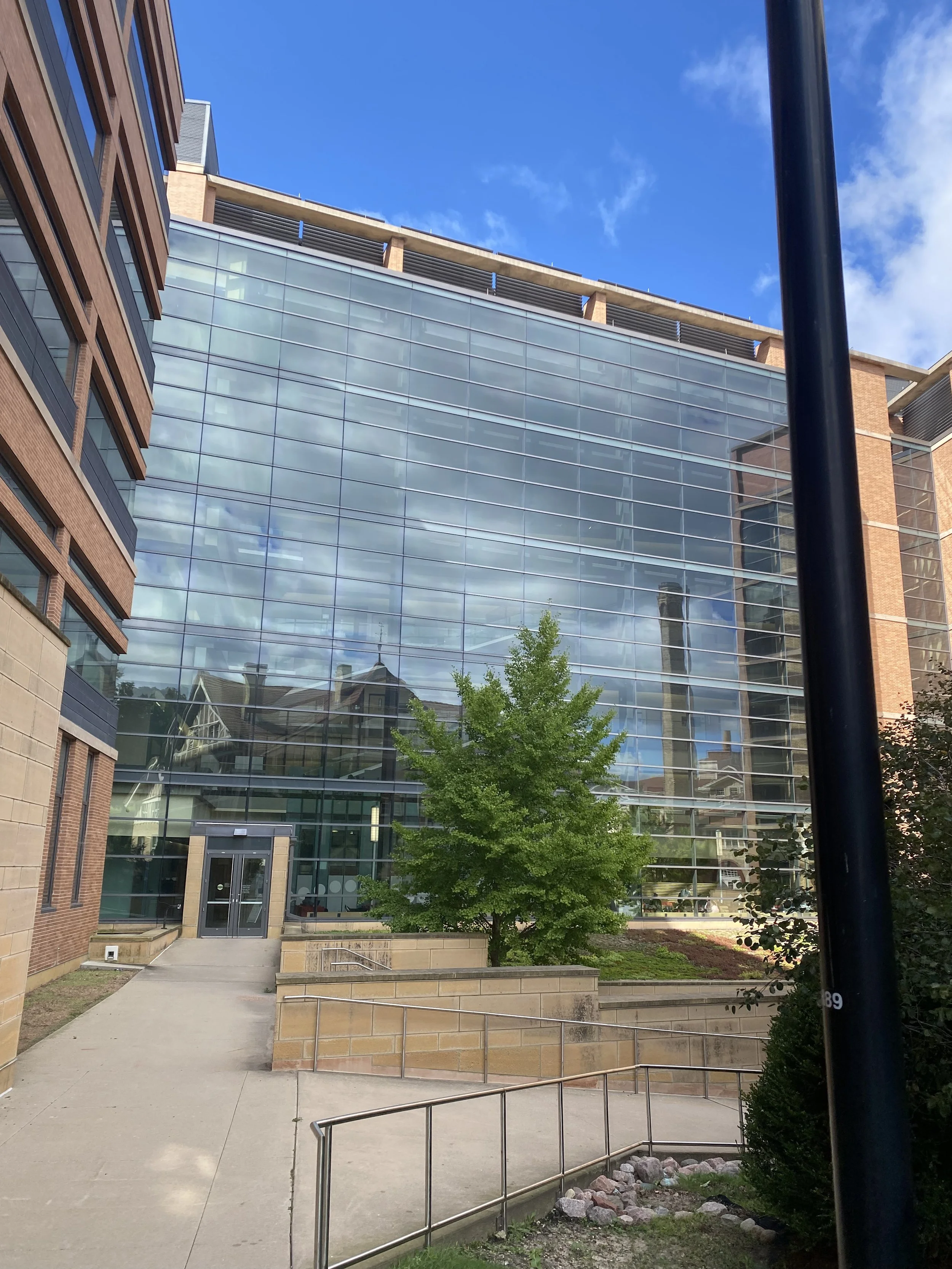
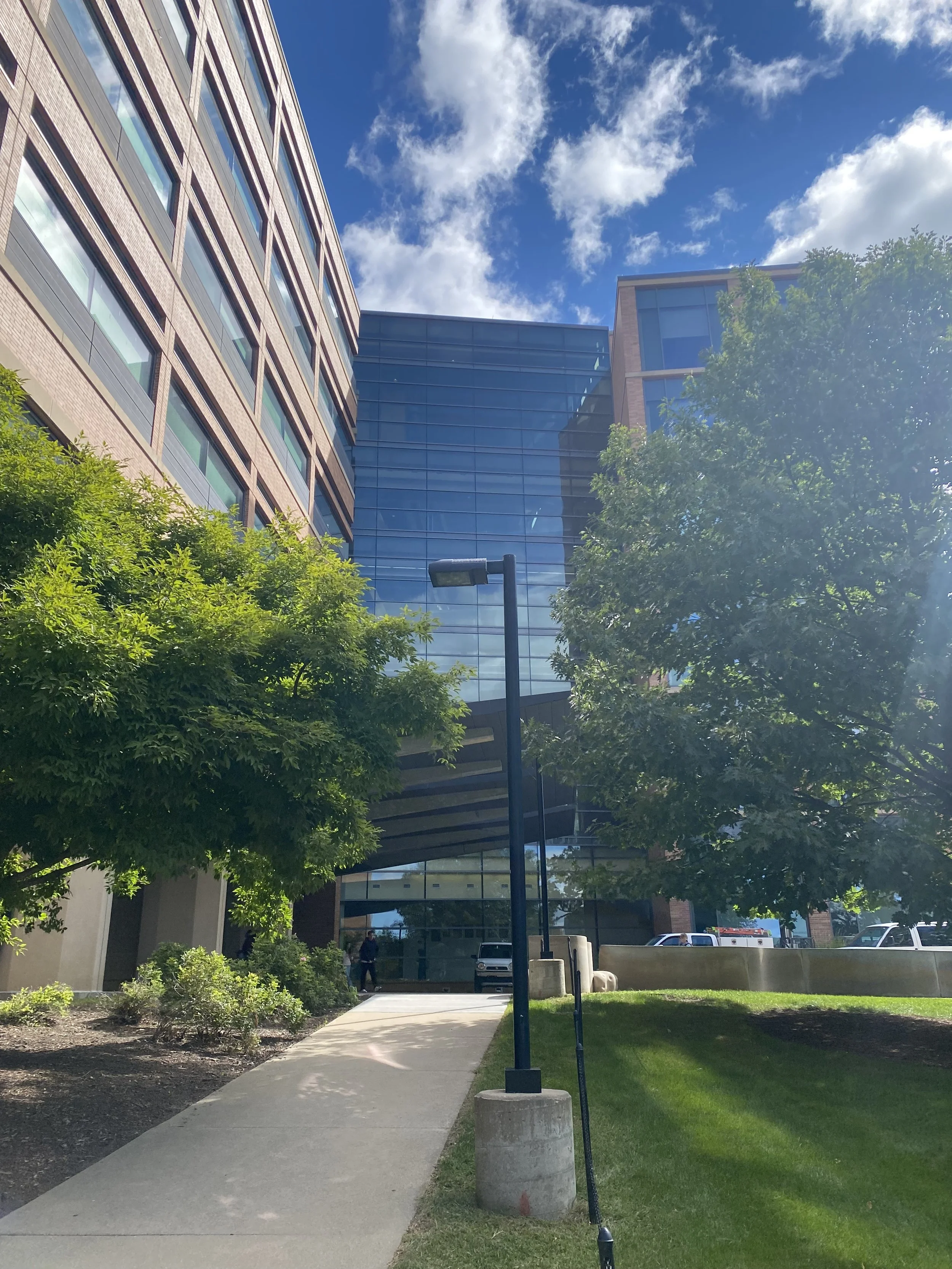
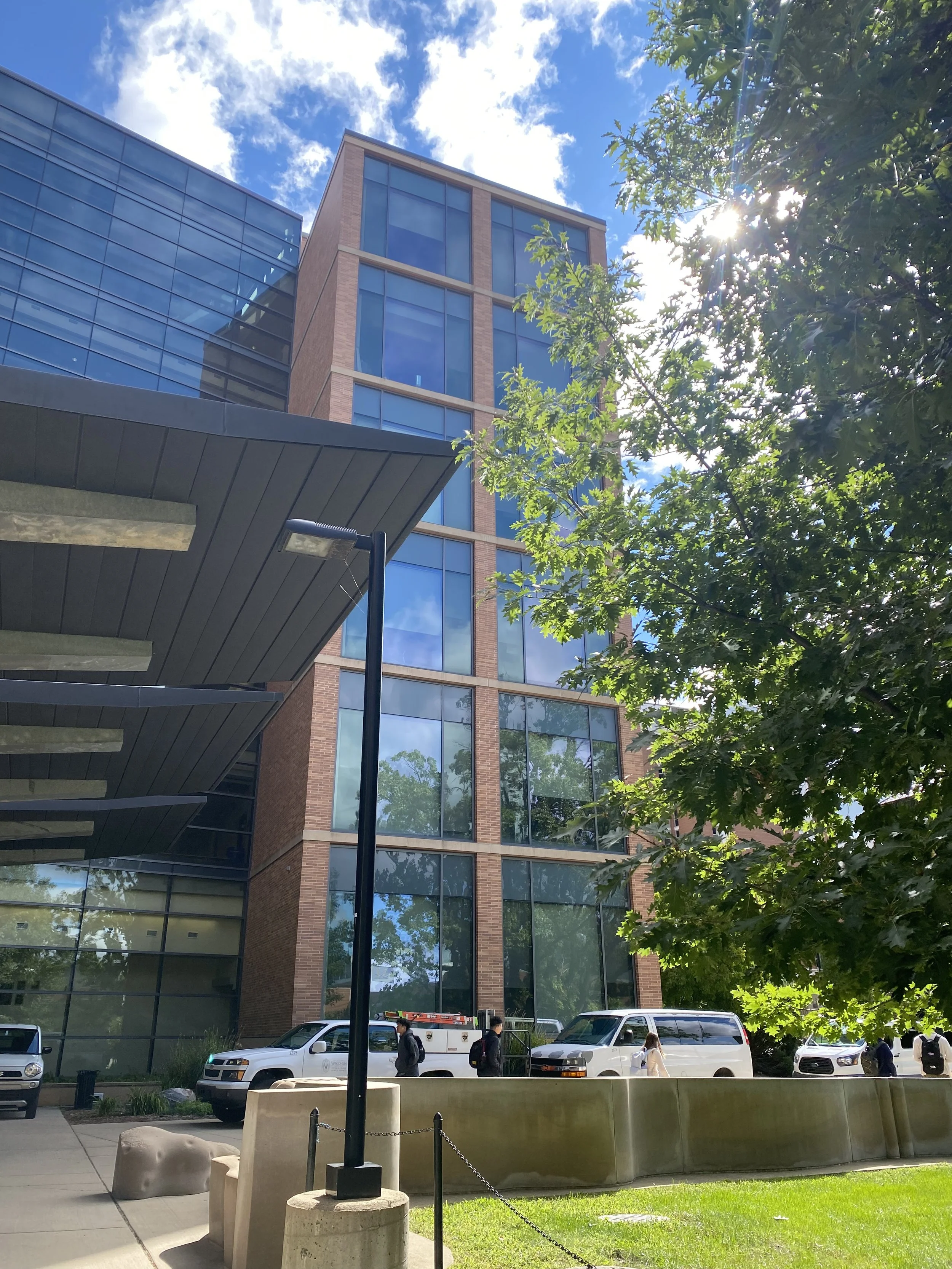
Since we began surveying in 2018, one building has always been at the top of the list, season after season, as the most lethal set of windows in the program: UW–Madison Microbial Sciences. It kills twice as many birds as the next leading building in the program.
In 2024, we began planning in earnest with our partners at UW–Madison’s Forest and Wildlife Ecology Department, Office of Sustainability, and Audubon Society UW Madison to figure out how to mitigate the massive amount of glass on this building. Putting dots on all of these windows would cost hundreds of thousands of dollars—not a feasible option.
However, we have pinpointed the most problematic areas, narrowed down the options, and are fundraising for solutions. On one set of windows, we will apply dots that are known to reduce collisions by upwards of 95%. On another wall of glass, we will install an innovative and experimental noise deterrent system that will prevent birds from entering the area to begin with.
We need an additional $10,000 to make this plan come to fruition. If you would like to donate to the effort, fill out the donation form here. When filling out the donation page, do not enter a “Cause”—scroll down to where it says Green Fund 112200270 to enter your donation.
Birds have a better chance of successfully migrating to, through, and from Madison because of the volunteers in this program and our dedicated site partners. Thank you all for being part of this effort to save and celebrate birds!
Written by Brenna Marsicek, Southern Wisconsin Bird Alliance director of outreach and program coordinator for Bird Collision Corps
